+86-18058825678
- All
- Product Name
- Product Keyword
- Product Model
- Product Summary
- Product Description
- Multi Field Search

- Home
- Our Product
- About Didtek
- Solutions
- Exhibition Show
- Support
- News
 English

Views: 0 Author: Site Editor Publish Time: 2026-05-24 Origin: Site


You may ask which gate valve is best for your project. Stainless steel valves work well in places with lots of heat or chemicals. These places include chemical plants. A carbon steel gate valve is good for fluids that do not cause rust, like steam or oil. You should think about the fluid’s temperature, thickness, and if it can cause rust. These things affect how the valve works and how safe it is. The valve material must fit your needs and follow industry rules. This helps the valve last a long time and work well.
You often see carbon steel gate valves in industries that need strong and reliable flow control. These valves use a material called ASTM A216 WCB. This material is mostly iron with some carbon mixed in. The carbon gives the valve extra strength. You can use these valves in places with high pressure and high temperature. For example, power plants and oil refineries use them because they can handle tough jobs. The design of a carbon steel gate valve helps it last a long time, even when the system gets very hot or the pressure changes quickly. You can trust this type of valve to keep working when you need it most.
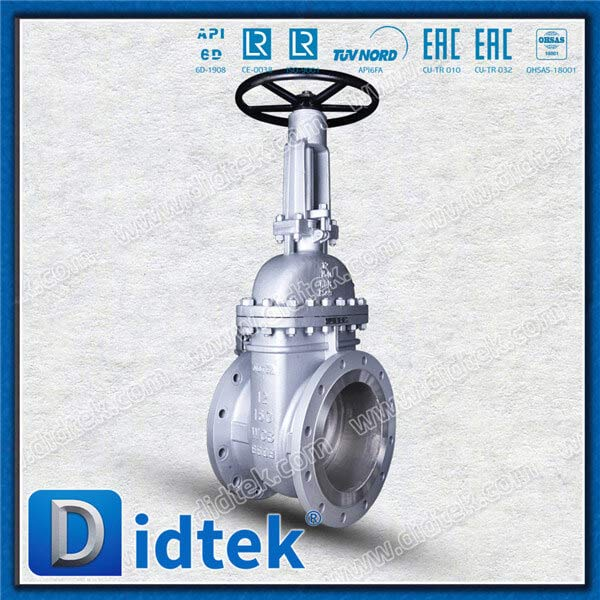
You may choose a stainless steel gate valve when you need protection from rust and chemicals. Stainless steel contains iron, chromium, and nickel. The chromium forms a shield on the surface. This shield keeps out water, acids, and salts. Grades 304 and 316 are the most common types. You find these valves in chemical plants, water treatment systems, and food factories. They work well in places where the fluid can cause rust or corrosion. You can count on a stainless steel gate valve to stay clean and strong, even in harsh environments.
Tip: Always check the material grade before you pick a valve. The right grade helps your system last longer and work better.
Here is a quick look at the main differences:
Material Type | Composition Details | Properties |
|---|---|---|
Carbon Steel | Mainly iron with carbon (ASTM A216 WCB) | Strong, handles high pressure and temperature |
Stainless Steel | Iron, chromium, nickel (Grades 304, 316) | Resists rust, acids, and salts; good for harsh fluids |
It is important to know how strong and hard a valve is. Carbon steel gives very high strength. This makes it good for tough jobs. Stainless steel is also strong. It is more flexible than carbon steel. You can use stainless steel if you want toughness and bending resistance. Both materials follow strict industry rules. ASTM A105 is for carbon steel forgings. ASTM A182 is for stainless steel parts used in high heat.
Here is a simple table that shows how these materials compare:
Factor | Stainless Steel (CF8/CF8M) | Cast Steel (WCB) |
|---|---|---|
Corrosion Resistance | Excellent | Limited without coating |
Strength | High strength with flexibility | Very high strength |
Cost | Higher initial cost | Lower initial cost |
Maintenance | Low maintenance | Requires regular inspection |
Applications | Chemical, water treatment | Oil, gas, power |
Note: Check the standards for your project. ASTM A6/A6M and ASTM A27/A27M set rules for strength and hardness.
You need to check temperature and pressure ratings before picking a valve. Carbon steel works well in high pressure and high heat systems. It can handle temperatures up to 425°C. It can handle pressures up to 32.0 MPa. This makes it good for water, steam, air, and oil. Stainless steel can handle even higher heat, up to 816°C. It works best in systems with acids like nitric or acetic acid. Its pressure rating is lower, up to 6.4 MPa.
Here is a table that shows typical ratings:
Material | Maximum Operating Temperature | Pressure Rating | Temperature Range | Suitable Media |
|---|---|---|---|---|
Carbon Steel | Up to 425°C | ≤ 32.0 MPa | -30°C to 425°C | Water, steam, air, hydrogen, ammonia, petroleum products |
Stainless Steel | Up to 816°C | ≤ 6.4 MPa | ≤ 200°C | Nitric acid, acetic acid |
Carbon steel is best for high-pressure jobs. Stainless steel is better for high heat and corrosive places. Always pick the material that fits your system’s needs.
It is important to know how carbon steel gate valves deal with rust. Carbon steel works fine in dry air and clean rooms. It does not stop rust in wet or chemical places. If you use this valve outside or in water, it can get rusty and have small holes. The main types of rust are from CO2, even rust, pitting, and damage from fast-moving fluids.
The main types of rust that hurt carbon steel gate valves are electrochemical rust in CO2, even rust, pitting, and damage from fast fluids.
Rust happens when the valve is in a bad place or does not have a good coating.
You can look at the table below to see how long carbon steel lasts in different places:
Environmental conditions | Estimated service life (without anti-corrosion) |
|---|---|
Dry air (indoor) | 10~15 years |
Ordinary humid atmosphere (outdoor) | 5~10 years |
Industrial polluted atmosphere | 3~8 years |
Neutral water (pH=6~8) | 2~5 years |
Acidic/alkaline medium | 1~3 years |
Seawater/high salt environment | 1~5 years |
If you want better rust protection, you need to use coatings or pick another material.
Stainless steel gives strong protection from rust. This material makes a shield with chromium. The shield stops rust and chemical harm. Stainless steel works well in wet places and chemical factories. You can use it in the ocean, tanks, pipes, and reactors.
Here is a table that shows how different grades work:
Stainless Steel Grade | Corrosion Resistance Features | Applications |
|---|---|---|
316 | Stops pitting and crevice rust in salty water | Boat parts, buildings near the sea, underwater pipes |
304 | Good at stopping many kinds of chemical rust | Tanks, pipes, reactors |
904L | Works in strong chemical places | Special chemical machines |
Duplex Stainless Steel | Stops pitting and stress rust cracking | Chemical making jobs |
Stainless steel valves can fight rust well if you pick the right grade for the job. Things that change rust resistance are chloride, stress cracks, and bad welding. You can make the valve last longer by picking the right grade and cleaning and checking it often.
Material | Corrosion Resistance in Wet Environments | Corrosion Resistance in Chemical Environments |
|---|---|---|
Carbon Steel | Low | Low |
Stainless Steel | High | High |
Tip: Clean and check your valve often to keep it from rusting and help it last longer.
You want your valve to last as long as possible. The service life depends on the material, the environment, and how you use it. If you choose a carbon steel valve, you get a product that handles high pressure and temperature for many years. You often see these valves in power plants and oil refineries because they can work for a long time without failing. Stainless steel valves also last a long time, especially in places with water or chemicals. They resist rust and keep working even when the air is wet or salty.
Here is a quick comparison:
Material | Typical Service Life (Normal Use) | Best Environments |
|---|---|---|
Carbon Steel | 10–15 years | Dry, high-pressure, high-temperature |
Stainless Steel | 15–25 years | Wet, corrosive, chemical |
Tip: You can make your valve last longer by following the right installation steps and checking it often.
You need to keep your valve in good shape to avoid leaks and breakdowns. Regular checks help you spot problems early. For carbon steel valves, you should look for signs of rust or wear. Clean the outside and make sure the bolts stay tight. If you use the valve in a place with water or chemicals, you may need to add a protective coating.
Stainless steel valves need less care. You still need to check for dirt or buildup, but you do not have to worry much about rust. Always follow the maintenance guide from the manufacturer. This helps you keep your system safe and running smoothly.
Maintenance Checklist:
Inspect for leaks or rust
Clean surfaces and moving parts
Tighten bolts and connections
Lubricate if needed
Replace worn parts
Note: Good maintenance saves money and keeps your system safe.
You want to know how much you will spend at the start. Carbon steel gate valves usually cost less than stainless steel gate valves. You can save money if your project does not need high corrosion resistance. Many industries pick carbon steel when they need many valves and want to keep costs low.
Stainless steel gate valves cost more because the material is harder to make and process. You pay extra for the added protection against rust and chemicals. If you work in a place with harsh fluids or saltwater, you may need to spend more for stainless steel.
Here is a simple table to compare the typical purchase price:
Valve Type | Initial Cost ($) | Best For |
|---|---|---|
Carbon Steel | Lower | Standard fluids, high pressure |
Stainless Steel | Higher | Corrosive or chemical fluids |
Tip: You should always check your budget and the needs of your system before you choose a valve.
You should not look at the purchase price alone. Think about how much you will spend over the life of the valve. Carbon steel gate valves can last many years if you use them in the right place and take care of them. You may need to spend more on maintenance, coatings, or even replacement if the valve faces water or chemicals.
Stainless steel gate valves often cost less to maintain. They resist rust and do not need as many repairs. You may pay more at first, but you save money on service and downtime. Stainless steel can last longer in tough places, so you do not have to replace it as often.
Key Points to Remember:
Carbon steel saves money at the start.
Stainless steel saves money over time in harsh environments.
You should match the valve to your fluid and environment for the best value.
Choosing the right valve helps you avoid extra costs and keeps your system running smoothly.
Pick a carbon steel gate valve if you need a strong valve. It works best for fluids that do not cause rust or chemical harm. You see these valves in water systems, oil pipelines, and factories. They are good for moving steam, oil, or other safe fluids.
Water supply systems
Oil and gas pipelines
General industrial services
Non-corrosive fluid transport
The DIDTEK Carbon Steel Wedge Gate Valve is a trusted product. It meets many world standards and certifications. Here are the main certifications:
Certification/Standard | Description |
|---|---|
API6D | Pipeline valves standard |
CE | European conformity standard |
ISO9001 | Quality management standard |
ISO14001 | Environmental management standard |
API 600 | Design standard for gate valves |
ASME B16.34 | Standard for valves and fittings |
ASME B16.10 | Standard for face-to-face dimensions |
ASME B16.5/ASME B16.47 | Flange standards |
ASME B16.25 | Standard for butt welding ends |
API 598 | Standard for valve inspection and testing |
This valve is strong and works in many temperatures. You can use it in pipes, refineries, and chemical plants. It comes in different sizes and pressure levels. You can pick gear operators, actuators, or locks. These help you control the valve safely.
This valve gives tight shut-off and low pressure drop. It is easy to take care of and keeps your system working well. If you need a valve for high pressure or heat, this is a good choice.
Tip: Always check the fluid and place before picking a carbon steel gate valve. This helps you stop rust and get the best results.
Use a stainless steel valve if you need strong rust and chemical protection. It works well with harsh fluids, high cleanliness, or extreme heat or cold. You see stainless steel valves in oil, water treatment, and chemical plants.
Here are signs you need a stainless steel valve:
The fluid is corrosive or rough.
The system has very high or low temperatures.
You must meet strict safety or hygiene rules.
Stainless steel valves work well in tough places. They keep the flow smooth and do not block fluids. You can use them for full opening and straight flow. This helps your system work its best.
Note: Always check if the fluid fits stainless steel. Look at the pressure and temperature needs. Make sure the valve meets safety and performance rules.
You may want to know how carbon steel and stainless steel gate valves are different. A table is a fast way to compare them. You can look at the facts and numbers to help you choose the right valve.
Feature | Carbon Steel Gate Valve | Stainless Steel Gate Valve |
|---|---|---|
Maximum Operating Temperature | Up to 425°C | Up to 816°C (1500°F) |
Pressure Rating | ≤ 32.0 MPa | ≤ 6.4 MPa |
Temperature Range | -30°C to 425°C | ≤ 200°C |
Performance in Cold | Gets brittle below -70°C | Stays strong down to -269°C |
Suitable Media | Water, steam, air, oil, ammonia | Nitric acid, acetic acid |
Corrosion Resistance | Low | High |
Typical Service Life | 10–15 years | 15–25 years |
Initial Cost | Lower | Higher |
Maintenance Needs | More frequent | Less frequent |
Stainless steel gate valves are better for very hot or cold places. They do not rust easily and last longer. Carbon steel gate valves are good for high pressure and cost less.
Carbon steel valves are cheaper when you buy them.
Stainless steel valves cost more but do not rust and last longer.
Pick the valve that fits your fluid, temperature, and how much you want to spend.
If you need a valve for high pressure and safe fluids, carbon steel is a smart pick. If you use harsh chemicals or work in very hot or cold places, stainless steel is safer and lasts longer.
You have many choices when picking a gate valve. You want your system to be safe and last a long time. You need to think about the fluid, the place, and your budget. Each thing helps you pick the valve that fits your needs.
Key Decision Factors:
The fluid in your system is important. Some fluids cause rust or chemical harm. Others are safe for carbon steel.
The place where you use the valve matters. Heat, cold, or chemicals can change how the valve works.
Your budget helps you decide. Carbon steel costs less at first. Stainless steel saves money later in tough places.
You should ask a valve expert or engineer for help. They help you pick the right valve and follow the rules.
Tip: Always check the rules and standards for your industry. This keeps your system safe and working well.
You need to match the valve material to the place. Look at temperature, pressure, and chemicals. The table below shows which materials work best in different places:
Environmental Condition | Recommended Material | Notes |
|---|---|---|
Temperature Extremes | Materials that handle heat/cold | Extreme cold or heat can change how valves work. |
Corrosive Environments | Stainless steel or brass | These last longer in places with chemicals. |
Underground Installations | Coatings and sealing mechanisms | These protect valves from water and dirt. |
Water Quality | Corrosion-resistant materials | Needed for aggressive water. |
Pressure Fluctuations | Pressure-rated valves | Prevents leaks and keeps the system safe. |
You also need to look at how the valve will be used. The table below helps you pick the right body and trim for your valve:
Service Condition | Recommended Body Material | Recommended Trim |
|---|---|---|
Dry Steam, General Water Services | Carbon Steel (A216 WCB) | 13Cr trim or stainless steel |
Wet Cold Climate | Low temperature carbon steel A352 LCB/LCC | SS 316 trim |
Dilute Acids, Caustics | Austenitic Stainless Steel (A351 CF8/CF8M) | 316/316L trim |
Seawater, High Chloride | Duplex/Super Duplex Stainless | Duplex trim |
Sour Service (H₂S Present) | NACE MR0175 Compliant Materials | Hard-faced trim |
You must pick the valve that fits your job and place. If you use steam or oil in a dry place, carbon steel is a good choice. If you work with chemicals or near the sea, stainless steel protects better.
Checklist for Choosing the Right Valve:
Find out what fluid you use and its risks.
Check the temperature and pressure in your system.
Look at the place for rust or chemical harm.
Think about your budget and long-term costs.
Ask experts for help if you have special needs.
Note: The right valve keeps your system safe, saves money, and follows the rules. You make the best choice when you match the valve to your needs.
You should pick a carbon steel gate valve for jobs that do not open and close a lot. It is also good for systems with high pressure or big pipes. Look at the table below for help:
Scenario | Why Choose Carbon Steel |
|---|---|
Low-Cycle Applications | Saves money and works well |
High-Pressure, High-Temperature | Seals tight and keeps things safe |
Large-Diameter Systems | Lets fluid move easily |
Pick a stainless steel valve if you need to stop rust, want it to work well with tough fluids, or need it to last a long time. Always make sure the valve fits your fluid, heat, and pressure. You can talk to valve experts or companies like DIDTEK for help. They can help you pick the right valve and keep your system safe.
You see carbon steel gate valves in high-pressure jobs. Stainless steel gate valves resist rust and work well with harsh fluids. Choose based on your system’s needs.
You should avoid using carbon steel gate valves with chemical water. They can rust quickly. Stainless steel gate valves protect better in these environments.
Check your fluid type, temperature, and pressure. Look at your budget and maintenance needs. Ask experts or manufacturers for advice if you feel unsure.
You spend less time maintaining stainless steel gate valves. They resist rust and need fewer repairs. You still need to check them regularly for buildup.
Yes, DIDTEK provides carbon steel wedge gate valves with certifications like API6D, CE, ISO9001, and ISO14001. You get reliable performance and quality assurance.


