+86-18058825678
- All
- Product Name
- Product Keyword
- Product Model
- Product Summary
- Product Description
- Multi Field Search

- Home
- Our Product
- About Didtek
- Solutions
- Exhibition Show
- Support
- News
 English

Views: 0 Author: Site Editor Publish Time: 2026-02-04 Origin: Site


Is 316 always worth the cost in 2026? Many engineers find a 304 SS ball valve meets real needs. This article explains how to choose between 304 and 316 stainless steel ball valves for cost efficiency. You will see how Didtek products deliver reliable value.
The global cost of alloying elements such as nickel and molybdenum has increased significantly in recent years. Because 316 stainless steel contains molybdenum, its price is far more sensitive to market volatility than 304 stainless steel. This cost difference becomes especially visible in large-scale industrial projects where dozens or hundreds of ball valves are required.
In 2026, project teams are under stronger pressure to control capital expenditure. Selecting 316 stainless steel by default can quickly erode budget flexibility. As a result, engineers are re-evaluating whether the higher material cost aligns with actual environmental exposure or simply reflects legacy specification habits.
Initial purchase price tells only part of the story. Total cost of ownership includes installation labor, inspection, maintenance, downtime, and replacement over the valve’s lifecycle. In mild or controlled environments, 304 SS ball valves often achieve long service life with minimal intervention.
In such cases, the added cost of 316 stainless steel does not reduce maintenance frequency or extend operational life enough to justify the premium. Many industrial buyers now view lifecycle performance, rather than material prestige, as the primary indicator of value.
Over-specification is often driven by risk aversion rather than evidence. While conservative design has its place, unnecessary material upgrades can introduce inefficiencies. Higher alloy valves may require longer lead times, specialized machining, or different spare parts strategies.
In 2026, efficient engineering means aligning material capability with realistic service conditions. Over-specification reduces cost efficiency without improving safety when the environment does not demand it.
Note: Conservative material choices should be reserved for environments with clearly identified corrosion or safety risks.
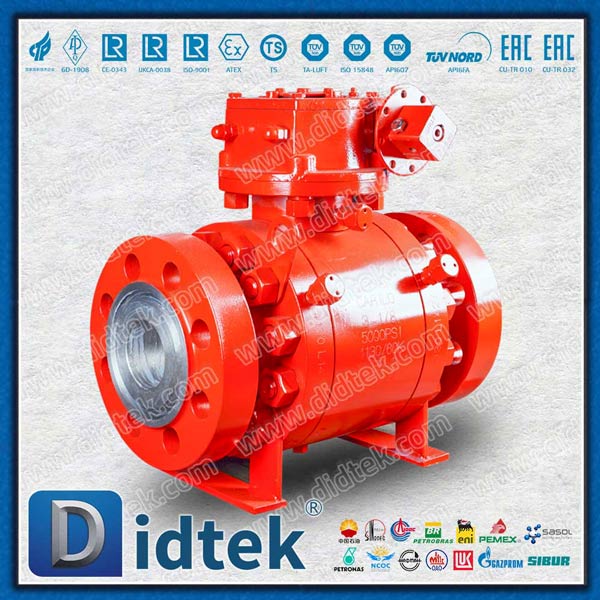
The defining difference between 304 and 316 stainless steel is molybdenum content. In 316 stainless steel, molybdenum enhances resistance to chloride-induced corrosion, particularly pitting and crevice corrosion. This makes it well suited for marine and chemical environments.
304 stainless steel relies on chromium and nickel to form a passive oxide layer. While slightly less resistant to chlorides, this layer is highly effective in neutral or mildly reactive environments, which represent the majority of industrial installations.
From a mechanical standpoint, 304 and 316 stainless steels are very similar. Both grades offer comparable tensile strength, yield strength, and fatigue resistance. Their pressure-handling capability in ball valve applications is largely dictated by valve design rather than material grade.
Temperature performance is also similar. Both materials maintain ductility at low temperatures and resist oxidation at elevated temperatures. This similarity reinforces the idea that corrosion environment, not mechanical performance, should drive material selection.
Material composition influences how valves age in service. In environments free from chlorides, both 304 and 316 maintain stable performance over long periods. However, in chloride-rich environments, 304 may show localized corrosion earlier.
Understanding these mechanisms allows engineers to predict service life more accurately and avoid premature replacement or unexpected leakage.
In indoor facilities, freshwater systems, and non-corrosive industrial processes, 304 SS ball valves perform reliably for many years. The passive layer on 304 stainless steel remains intact, limiting corrosion to negligible levels.
In these applications, performance differences between 304 and 316 are rarely observable. This is why many general industrial systems rely on 304 SS valves supplied by manufacturers like Didtek, where consistency and standards compliance matter more than extreme corrosion resistance.
316 stainless steel becomes essential in environments containing saltwater, chlorides, or aggressive cleaning chemicals. Offshore platforms, coastal installations, and certain chemical processes expose valves to conditions that quickly degrade 304 stainless steel.
In these cases, the added cost of 316 stainless steel is offset by extended service life, reduced leakage risk, and lower probability of unplanned shutdowns.
Pitting corrosion creates localized damage that can penetrate valve surfaces and compromise sealing. Crevice corrosion occurs in stagnant areas such as flange interfaces or seat cavities.
316 stainless steel significantly reduces these risks. When such corrosion mechanisms are present, selecting 316 is not an upgrade but a necessity.
304 SS ball valves are most cost-effective in systems handling neutral fluids, moderate temperatures, and controlled environments. These include general industrial utilities, HVAC systems, and many processing lines.
In these scenarios, 304 SS delivers stable performance with lower procurement cost and simpler maintenance planning.
In environments with known chloride exposure or aggressive chemicals, 316 stainless steel provides clear long-term benefits. Reduced corrosion risk translates directly into fewer failures and lower lifecycle cost.
Here, the higher upfront cost becomes a strategic investment rather than an expense.
Effective material selection starts with honest evaluation of environment severity. Engineers should assess media composition, exposure frequency, and cleaning processes.
Matching these factors to the appropriate material grade avoids both premature failure and unnecessary overspending.
Factories, utility rooms, and enclosed processing facilities typically operate in dry and relatively clean environments where exposure to corrosive agents is limited. In these systems, 304 SS ball valves provide excellent reliability because their corrosion resistance comfortably exceeds actual operating demands. The passive chromium oxide layer on 304 stainless steel remains stable, even with frequent operation and temperature fluctuation.
These installations often prioritize standardization, spare parts availability, and predictable maintenance cycles. Using 304 SS helps simplify inventory management and reduces procurement complexity. As a result, many engineers view 304 SS as the most efficient material choice for indoor industrial systems where performance requirements are clear and stable.
Sanitary systems place strict requirements on surface finish, cleanliness, and material stability. 304 stainless steel is widely accepted in food and beverage processing because it supports smooth finishes that are easy to clean and resistant to product buildup. When cleaning agents and process fluids are non-aggressive, 304 SS maintains surface integrity without degradation.
Its broad acceptance across regulatory and inspection frameworks also simplifies validation and compliance. Engineers benefit from well-documented material behavior and reduced audit complexity. In these applications, upgrading to higher alloys rarely improves hygiene outcomes but does increase cost.
Freshwater distribution and steam systems benefit from the thermal stability and oxidation resistance of 304 SS. The material performs reliably across common utility temperature ranges and resists scaling and oxidation under normal conditions.
In such applications, higher alloys offer little additional value because corrosion drivers are minimal. This is why 304 SS remains the default choice for many utility services, especially where long service life and low maintenance are primary goals.
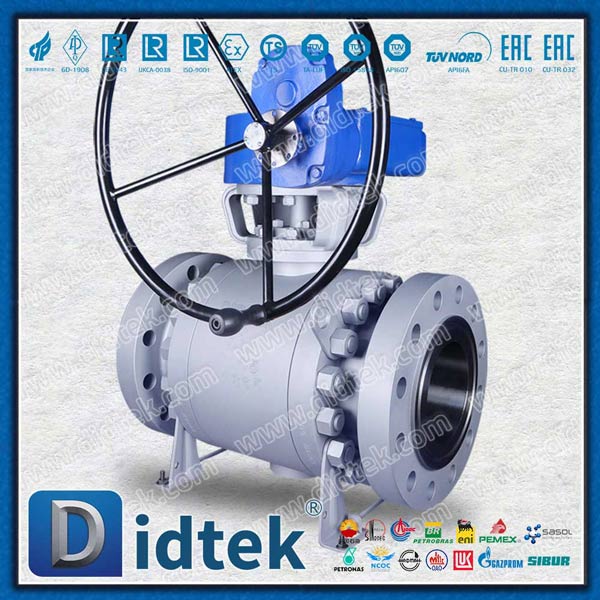
Marine and coastal environments expose valves to salt-laden air, humidity, and direct seawater contact. These conditions accelerate corrosion mechanisms that 304 SS cannot reliably resist over time. In such environments, 316 stainless steel becomes essential for maintaining valve integrity and preventing premature failure.
Although the initial cost of 316 stainless steel ball valves is higher, the extended service life and reduced replacement frequency justify the investment. For offshore and coastal systems, material reliability directly impacts safety and operational continuity.
Chemical processing environments often involve aggressive fluids, frequent cleaning cycles, or strict purity requirements. 316 stainless steel withstands a broader range of chemicals due to its enhanced resistance to localized corrosion.
In pharmaceutical systems, material failure can lead to contamination, regulatory violations, or production shutdowns. In these cases, the higher material cost of 316 stainless steel is outweighed by the risk reduction it provides. Engineers typically select 316 to ensure consistent compliance and operational stability.
Any system with continuous or intermittent chloride exposure should favor 316 stainless steel. Chlorides increase the risk of pitting and crevice corrosion, especially at elevated temperatures or under stagnant conditions.
In such environments, 304 SS is not recommended because localized corrosion can compromise sealing surfaces and pressure boundaries. Selecting 316 stainless steel in these cases is a preventative measure rather than an upgrade.
In 2026, 316 stainless steel ball valves typically cost 20 to 40 percent more than 304 equivalents. This price difference reflects higher alloy content and ongoing volatility in molybdenum and nickel markets.
For large projects involving many valves, this gap significantly affects total capital expenditure. Engineers and procurement teams must therefore assess whether the added cost corresponds to real environmental risk or simply follows historical specification habits.
Incorrect material selection often increases maintenance frequency, inspection requirements, and unplanned downtime. Using 304 SS in aggressive environments can lead to early corrosion and leakage, while using 316 unnecessarily in mild environments inflates cost without reducing maintenance.
Selecting the correct grade minimizes operational disruption and stabilizes maintenance planning. In many cases, lifecycle cost has a greater impact on project economics than initial purchase price alone.
Factor | 304 SS Ball Valve | 316 SS Ball Valve |
Initial Cost | Lower | Higher |
Corrosion Resistance | Moderate | High |
Maintenance Risk | Low in mild service | Low in harsh service |
Typical Use | General industry | Marine and chemical |
Engineers should ask what fluids are handled, whether chlorides are present, and how often the environment changes. These questions clarify material needs.
Clear answers prevent reactive decisions.
Risk-based selection aligns material choice with consequence of failure. Critical systems justify conservative choices, while non-critical systems favor efficiency.This approach balances safety and cost.
The most common mistake is defaulting to premium materials without analysis. Another is ignoring future changes in process conditions.Structured evaluation prevents both errors.
Tip: Always document environment assumptions during material approval.
In 2026, choosing between 304 and 316 stainless steel ball valves requires discipline over habit and clear understanding of service conditions. For mild and controlled environments, 304 SS ball valves offer reliable performance and strong cost efficiency, while 316 remains essential for aggressive media. Didtek provides both options, helping engineers achieve durability, safety, and long-term value.
A: A 304 SS ball valve suits mild environments, while 316 handles chlorides and aggressive media better.
A: Choose a 304 SS ball valve for indoor, general-purpose systems without corrosion risk.
A: Yes, a 304 SS ball valve lowers upfront and lifecycle costs in non-corrosive applications.
A: They compare environment severity, corrosion exposure, and long-term maintenance needs.


