+86-18058825678
- All
- Product Name
- Product Keyword
- Product Model
- Product Summary
- Product Description
- Multi Field Search

- Home
- Our Product
- About Didtek
- Solutions
- Exhibition Show
- Support
- News
 English

Views: 0 Author: Site Editor Publish Time: 2025-11-03 Origin: Site


You encounter ball valves frequently when you work with a plumbing system. This type of valve uses a spherical ball with a hollow center. You rotate the ball 90 degrees to open or close the flow, which gives you quick and reliable control. Ball valves excel at shut-off tasks and ensure rapid, complete isolation of fluids. In plumbing, you rely on these valves for their efficiency and sealing strength. The table below compares ball valves with gate and plug valves, highlighting cost and performance in plumbing systems:
| Valve Type | Cost Comparison | Performance Characteristics |
|---|---|---|
| Ball Valve | Generally less expensive than gate valves, especially in smaller sizes. | Preferred for quick operation and superior sealing performance, especially in gas applications. |
| Gate Valve | More suitable for high-pressure applications and larger pipelines, but slower to operate. | Capable of leak-tight sealing but generally not as superior as ball valves. |
| Plug Valve | Typically more expensive than ball valves. | Good sealing capability and reliable for quick shutoff. |
This guide helps you understand why ball valves are essential for any plumbing system.
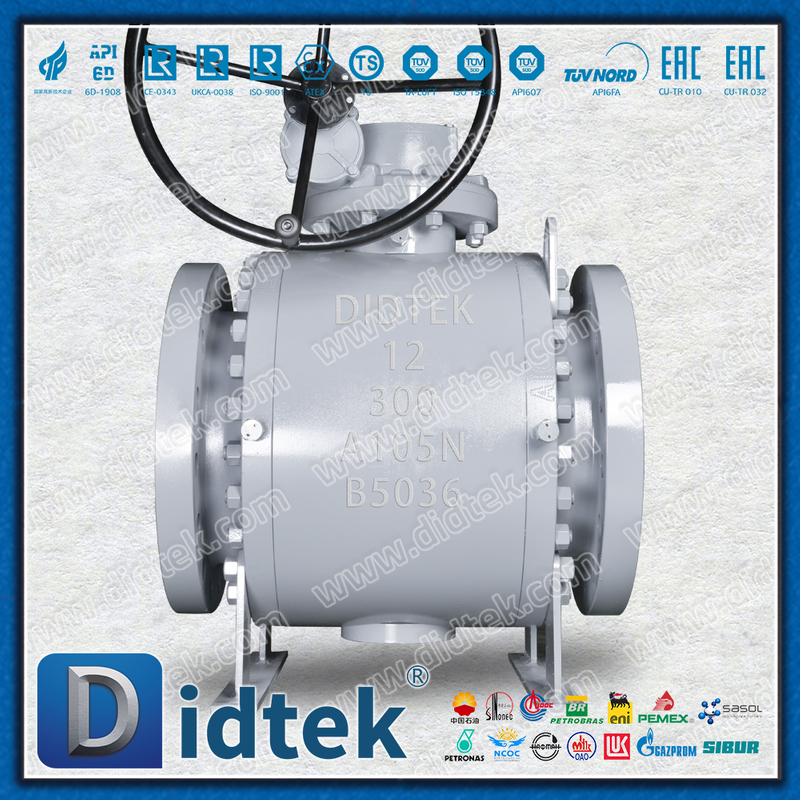
When you select valves for plumbing systems, you encounter several types of ball valves. Each type serves a unique purpose and fits specific applications. Understanding the differences helps you choose the right solution for your project.
Full port ball valves feature an internal bore that matches the diameter of the pipeline. This design allows fluid to flow freely with minimal resistance. You benefit from maximum flow capacity and almost no pressure drop. These valves work well in high-flow and high-pressure environments, such as industrial piping or large-scale water systems.
| Characteristic | Description |
|---|---|
| Maximum Flow Capacity | Full port ball valves have a bore that matches the diameter of the pipeline, allowing unrestricted fluid movement. |
| Minimal Pressure Drop | The design ensures little to no resistance to fluid flow, maintaining a consistent flow rate. |
| High-Flow and High-Pressure Suitability | Ideal for applications requiring high flow efficiency and performance without compromising on pressure. |
The straight flow path in these quarter-turn ball valves reduces the risk of cavitation and energy loss. You often see full port designs in welded ball valves for critical operations.
Reduced port ball valves, sometimes called compact ball valves, have a smaller opening than the pipeline. This design restricts flow but offers advantages in certain scenarios. You might choose these valves for skid-mounted equipment, where space is limited. Compact ball valves also provide precise flow control in low-flow applications, such as pharmaceutical reactors or HVAC systems.
| Scenario | Needs | Example |
|---|---|---|
| Skid-Mounted Equipment | Compact design where valve size is limited. | A mobile chemical injection skid uses compact ball valves—saves 35% space compared to full port. |
| Low-Flow Precision Control | Moderate flow rates and precise throttling. | A pharmaceutical batch reactor uses compact ball valves—flow control accuracy improved. |
| Low-Pressure, Low-Cost Applications | Non-critical service where energy costs are minimal. | An office building’s HVAC system uses compact ball valves—30% lower upfront cost. |
You often find welded ball valves in compact designs for easy installation and maintenance.
Multi-port ball valves, another form of compact ball valves, allow you to direct flow in multiple directions. These valves simplify complex piping layouts and reduce the need for multiple valves. You see multi-port designs in plating operations, chemical processing, beverage and food industries, and water treatment plants.
Tip: Multi-port compact ball valves help you streamline system design and improve operational efficiency in specialized applications.
By understanding the main types of ball valves—full port, reduced port, and multi-port—you can select the best compact ball valves for your plumbing needs.
When you select a ball valve for plumbing, you need to consider several key specifications. These factors help you match the right valve to your system and ensure long-term reliability.
Ball valves come in a wide range of sizes to fit different pipe diameters. You often see threaded ball valves available from 1/4 inch up to 12 inches. This variety allows you to choose the correct size for both residential and commercial plumbing.
| Valve Size (Nominal Pipe Size – NPS) | Description |
|---|---|
| 1/4 inch to 12 inches | Standard size range for plumbing ball valves, corresponding to the internal diameter of the connecting pipe. |
If you need a threaded ball valve for a tight space or a large industrial line, you can find the right fit.
Pressure rating is a critical factor for safety and performance. You must select a valve that matches your system’s pressure. The table below shows typical pressure ratings for common ball valve materials:
| Valve Type | Pressure Rating (PSI) |
|---|---|
| Standard Brass | Up to 600 |
| Stainless Steel | Up to 1,000 |
| PVC | Typically 150 |
| Metal (Brass/Steel) | 600 to over 3000 |
You will find that threaded ball valves in brass or stainless steel can handle higher pressures, making them suitable for demanding applications. Always check the pressure rating before installation or replacement.
Temperature resistance determines where you can use a ball valve. Different materials withstand different temperatures. For example, stainless steel valves work in extreme cold or heat, while PVC valves suit only moderate temperatures.
If you plan a replacement in a high-temperature system, choose a material like stainless steel or carbon steel.
The material of your ball valve affects its durability, cost, and application. Here is a quick comparison:
| Material Type | Characteristics | Applications | Advantages | Limitations |
|---|---|---|---|---|
| Stainless Steel | Corrosion and heat resistant | Oil, gas, food, pharmaceuticals | Long life, low maintenance | Higher cost |
| Brass | Corrosion resistant, affordable | Plumbing, heating, low-pressure uses | Easy to install, cost-effective | Not for high heat or corrosive fluids |
| PVC | Lightweight, chemical resistant | Irrigation, water treatment | Easy replacement, low cost | Not for high pressure or temperature |
| Bronze | Durable in marine environments | Seawater, HVAC, fire protection | High durability | Limited to medium pressure |
| Cast Iron | Strong, economical | Large-scale water, wastewater | Heavy-duty, cost-effective | Needs coating to prevent corrosion |
Tip: Always match the material to your system’s needs to avoid frequent replacement and ensure long service life.
You want your plumbing system to respond quickly and reliably. Compact ball valves give you instant control over water flow with a simple quarter-turn motion. This design reduces downtime and helps you manage water flow in emergencies or routine maintenance. You can use compact ball valves to isolate sections of your system, making repairs faster and safer. When you need to test for leaks, these valves let you shut off water flow precisely, so you can check for leaks without disrupting the entire system.
Sealing reliability is a top priority in plumbing. Compact ball valves excel at preventing leaks and maintaining pressure. You can improve sealing performance by following these best practices:
Install compact ball valves properly to avoid leaks and pressure loss.
Inspect valves regularly to identify leaks and ensure smooth water flow.
Lubricate moving parts to reduce friction and prevent early wear.
Clean valves to remove sediment and debris that can cause leaks.
When you use compact ball valves, you gain confidence that your plumbing system will hold pressure and minimize leaks. This guide recommends regular maintenance to keep your valves performing at their best.
Operating compact ball valves requires minimal effort. You can turn the handle easily, even in high-pressure plumbing systems. The torque needed depends on valve size, pressure, and the type of fluid. The table below shows typical torque requirements for standard plumbing ball valves:
| Valve Size | Breakaway Torque | Running Torque | Re-seat Torque |
|---|---|---|---|
| 1/2" | X ft-lbs | X/2 ft-lbs | 0.75X ft-lbs |
| 1" | Y ft-lbs | Y/2 ft-lbs | 0.75Y ft-lbs |
| 2" | Z ft-lbs | Z/2 ft-lbs | 0.75Z ft-lbs |
You will notice that compact ball valves make it easy to control water flow, even in tight spaces or when you need to act quickly.
Compact ball valves adapt to many plumbing needs. You find them in main shut-off positions, fixture isolation, and temperature control. You can use compact ball valves to manage water flow in homes, commercial buildings, and industrial settings. These valves handle liquids, gases, and slurries, making them suitable for a wide range of plumbing applications. You can rely on compact ball valves to control water flow, check for leaks, and maintain system integrity across different environments.
Tip: Choose compact ball valves for your plumbing projects when you need reliable water flow control and leak prevention.
You often rely on compact ball valves for essential tasks in your home plumbing. These valves serve as main shut-offs and branch shut-offs, giving you quick control during leaks or repairs. You find them in water faucets, heaters, showers, and washing machines. Their robust, watertight seal prevents leaks and ensures reliable performance. When you need to install ball valve components in your plumbing system, you benefit from their simple operation and minimal pressure drop. Many homeowners choose compact ball valves for diy installation because they offer step-by-step instructions and easy handling. You can connect the valve to pvc pipes or use compression ball valves for a secure fit. These valves also allow you to alter flow through multiple ports, making them ideal for various plumbing projects.
Main water shut-offs
Branch shut-offs during leaks
Water faucets and heaters
Showers and washing machines
Emergency rapid shut-off
Tip: Compact ball valves provide a strong seal and quick shut-off, which is vital for home safety.
In commercial and institutional settings, you need plumbing solutions that withstand high pressures and temperatures. Compact ball valves deliver durability and reliability in these demanding environments. You use them for both on/off and throttling applications, which is essential for complex plumbing systems. Flanged ball valves and compression ball valves are common choices because they integrate easily with large-scale piping. You often see pvc ball valve assemblies in schools, hospitals, and office buildings, where safety and efficiency matter. Diy installation is possible for maintenance teams, thanks to clear step-by-step instructions and standardized fittings. Flanged ball valves and compression ball valves help you manage water flow and maintain system integrity.
High-pressure and high-temperature plumbing
Safety equipment integration
Large-scale water distribution
Reliable flow control in public buildings
Specialized plumbing systems require compact ball valves with advanced features. You may work with systems that demand lightweight construction, dual O-ring sealed stems, and long-life performance. Flanged ball valves and compression ball valves in these applications often use forged lead-free brass or pvc for safety and compliance. You find these valves in gas, chemical, and water-marked systems. The table below highlights key features:
| Feature | Description |
|---|---|
| Range | Sizes from 20mm to 25mm |
| Material | Forged lead-free DZR brass body or pvc |
| Sealing | Dual O-Ring sealed stem, bottom loading |
| Performance | Long life, high-quality components |
| Construction | Lightweight for easy handling |
| Certification | Water marked and gas marked |
You select compact ball valves, flanged ball valves, and compression ball valves for specialized systems because they offer reliable performance and meet strict industry standards. Pvc ball valve options are especially popular for chemical and water treatment applications.
Note: Always follow the guide for proper installation and maintenance to ensure optimal performance in specialized plumbing systems.
You need safe and clean plumbing systems, especially in environments where contamination poses risks. Ball valves offer hygienic construction that supports these needs. Manufacturers design these valves with smooth, polished internal surfaces. This feature prevents residue buildup and allows for complete sterilization. You benefit from low maintenance because the modular design lets you quickly disassemble, inspect, and replace parts without removing the valve from the pipeline. Excellent sealing comes from the floating or trunnion-mounted ball paired with soft or elastomeric seats. This combination provides a tight seal even after extended use. Ball valves handle liquids with suspended solids, viscous fluids, gases, and steam, making them versatile for many plumbing applications.
| Hygienic Design Feature | Description |
|---|---|
| Hygienic Construction | Smooth, polished internal surfaces prevent residue buildup and allow for complete sterilization. |
| Low Maintenance | The modular design allows for quick disassembly, inspection, and part replacement without removing the valve from the pipeline. |
| Excellent Sealing | The floating or trunnion-mounted ball, combined with soft or elastomeric seats, provides a tight seal even after extended use. |
| Versatility | These valves can handle liquids with suspended solids, viscous fluids, as well as gases and steam. |
Modern plumbing systems often require remote operation and monitoring. Ball valves integrate easily with actuators and control systems. You can manage fluid flow without being physically present, which improves safety and operational efficiency. Manual ball valves remain vital in industrial applications and work effectively with automated systems. You enhance efficiency in both manual and automated fluid processes by choosing valves that support automation.
Ball valves can be easily integrated with actuators and control systems for remote operation and monitoring.
This integration enhances operational efficiency and safety, as it allows for management of fluid flow without physical presence.
Manual ball valves are still vital in modern industrial applications, working effectively with automated systems.
They enhance overall efficiency in both manual and automated fluid processes.
You want plumbing components that simplify maintenance and reduce downtime. Ball valves offer modular designs that allow for quick inspection and part replacement. However, cleaning can be challenging because the ball or disc sits deep inside the valve, making access more difficult. Over time, the internal cavity may collect debris from the medium, which increases maintenance requirements. Plug valves have a simpler design with fewer moving parts, making them easier to maintain and clean. Despite this, ball valves remain a popular choice in plumbing due to their reliability and performance.
Tip: Regular inspection and cleaning help you maintain optimal performance and extend the life of your plumbing system.
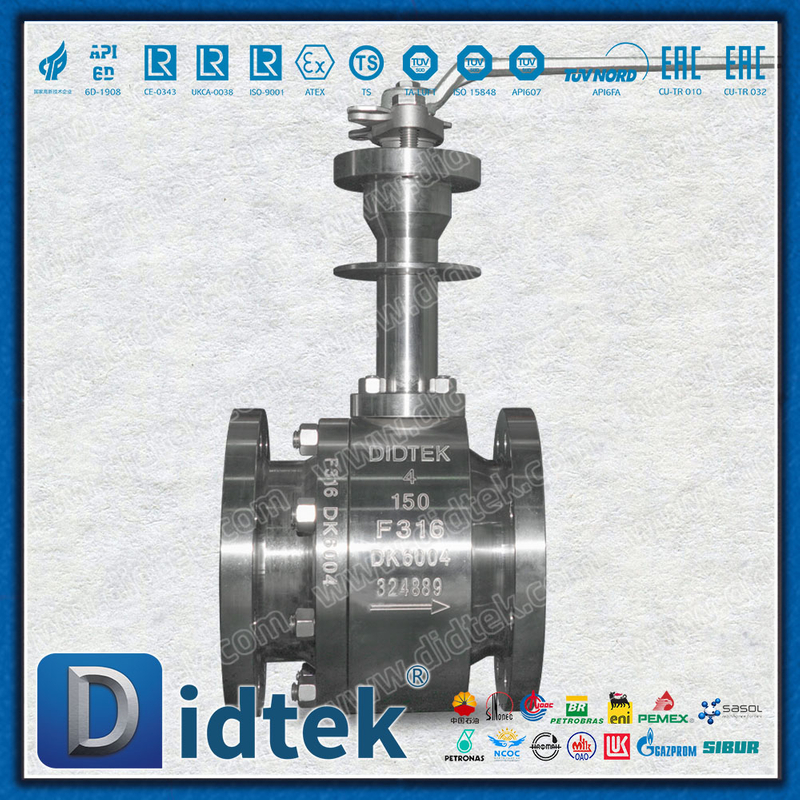
When you select ball valves for plumbing, you need to evaluate several important factors. These considerations help you achieve reliable performance and long-term value in your system.
You must match the valve to your system’s flow needs. The flow coefficient (Kv) shows how much water passes through the valve at a specific pressure drop. This value helps you size the valve correctly. Review the table below to understand key flow factors:
| Factor | Description |
|---|---|
| Flow Coefficient (Kv) | Indicates the flow rate of water at a specific pressure drop, essential for sizing the valve. |
| Pressure | The valve must withstand the system's minimum and maximum pressures, influenced by housing and seal materials. |
| Temperature | The temperature range is determined by the materials used in the valve's housing and seals. |
Choosing the right size ensures your plumbing system maintains proper flow and pressure.
You need to consider the type of fluid moving through your plumbing. The compatibility between the process fluid and the valve materials prevents corrosion and damage. If you select the wrong material, you risk leaks and costly repairs.
The compatibility of the process fluid with valve materials is essential to prevent corrosion, embrittlement, or stress corrosion cracking.
Incompatibility can lead to safety risks and costly production issues.
You must verify that the ball valves can handle your system’s pressure and temperature. Always check the manufacturer’s ratings and apply safety factors for critical applications.
Understand the maximum pressure and temperature conditions the valve will face.
Ensure the combined pressure and temperature are within the manufacturer's published rating for the valve.
Select a rating that accommodates the maximum possible process conditions for temperature and pressure.
Easy installation and regular maintenance keep your plumbing system running smoothly. Well-maintained valves last longer and reduce the risk of unexpected failures.
Extended service life comes from regular maintenance, delaying costly replacements.
Improved system reliability results from well-maintained valves.
Enhanced safety and optimized performance follow from proper care.
Preventive maintenance reduces operational costs and minimizes downtime.
Tip: Choose ball valves that offer straightforward installation and allow for easy access during maintenance. This approach supports long-term reliability in your plumbing system.
Ball valves are typically durable and can withstand a wide range of temperatures and pressures. Their fewer moving parts reduce the likelihood of wear and leaks over time.
You see the value of ball valves in every aspect of plumbing. They manage flow, provide quick shut-off in emergencies, and require little maintenance. The table below highlights their key strengths:
| Key Point | Description |
|---|---|
| Control of Flow | Manage water and media efficiently |
| Emergency Use | Shut off quickly with a quarter-turn |
| Durability | Resist corrosion and wear |
| Maintenance | Simple design for longer lifespan |
When you select a valve, consider line pressure, flow rates, temperature, and the specific needs of your system. Modern trends focus on sustainability and smart technology, making your choice even more important.
You get fast shut-off and reliable sealing. Ball valves operate with a simple quarter-turn. This design helps you control water flow quickly and reduces the risk of leaks in your plumbing system.
Yes, you can use them for hot and cold water. Choose the right material for your temperature range. Stainless steel and brass work well for most residential and commercial systems.
You should replace a valve if you notice leaks, difficulty turning the handle, or reduced flow. Regular inspection helps you spot these issues early and maintain system performance.
You can use ball valves for gas lines. Always select valves rated for gas service and check for proper certifications. This ensures safety and compliance with industry standards.
You need to inspect ball valves periodically. Clean and lubricate moving parts as needed. This routine care extends the valve’s life and keeps your plumbing system running smoothly.


