+86-18058825678
- All
- Product Name
- Product Keyword
- Product Model
- Product Summary
- Product Description
- Multi Field Search

- Home
- Our Product
- About Didtek
- Solutions
- Exhibition Show
- Support
- News
 English

Views: 0 Author: Site Editor Publish Time: 2026-05-14 Origin: Site


You can trust a wedge gate valve with a chain wheel to work under tough pressure. These valves are strong because they are made well and follow strict API rules. For example, API 600 means the valve body is thicker for hard jobs. Here are some usual pressure ratings:
API Standard | Pressure Ratings (psi) |
|---|---|
API 600 | 150 to 2500 |
The low torque design helps you open and close the gate valve easily. Careful testing makes sure the valve works well every time.
You can control a gate valve in hard-to-reach places by using a chain wheel. The chain drive lets you open or close the valve from the ground or a safe distance. When you pull the chain, the wheel turns the stem, which moves the wedge inside the valve. This action either blocks or allows flow through the pipeline.
The low torque design makes this process smooth and easy. You do not need much force to start or stop the flow. Here are some reasons why the low torque design helps you:
You use less effort to turn the chain wheel.
The elastic wedge inside the gate valve reduces friction.
Less friction means the parts last longer and need less repair.
The outside screw and yoke (OS&Y) design gives you a clear view of the valve’s position. When the stem rises, the gate valve is open. When the stem lowers, the valve is closed. This feature helps you avoid mistakes during operation.
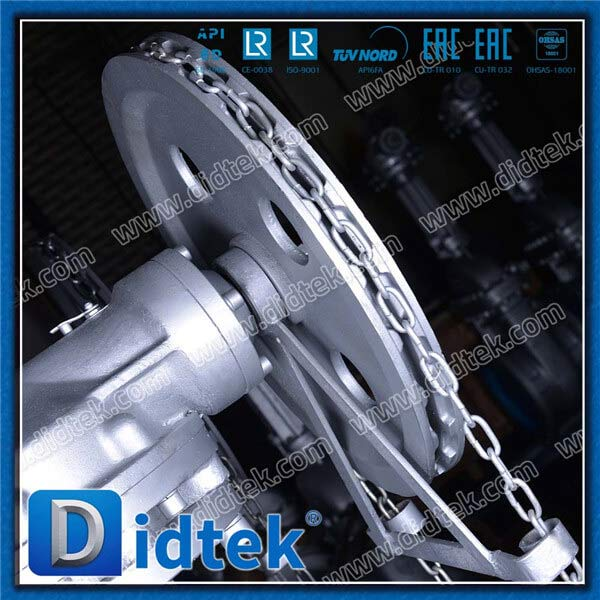
You want a gate valve that can handle tough jobs. DIDTEK’s Cast Steel Gate Valve meets strict API 600 and API 598 standards. These rules make sure the valve works well under high pressure and temperature. The valve uses strong WCB material, which stands up to harsh conditions.
Here is a table showing the main mechanical features that help the gate valve perform under pressure:
Mechanical Feature | Description |
|---|---|
Bolted Bonnet and Pressure Seal | Keeps a tight seal even when pressure is high. |
Flexible and Solid Wedge | Moves smoothly for reliable operation. |
Welding or Renewable Seat Rings | Makes maintenance easier and extends valve life. |
Gear Operator | Helps you turn the valve under stress. |
Low Torque Design | Reduces the effort you need to operate the valve. |
You can trust these features to keep your system safe and reliable. Always check the pressure rating before you use the gate valve in your application.
You need to follow the right steps when you use a wedge gate valve in high-pressure situations. This helps you stay safe and keeps your equipment working well. Here is a simple guide you can follow for proper operation:
Check the Area
Make sure the space around the gate valve is clear. Remove any objects that could get in the way of the chain drive or your hands.
Inspect the Valve
Look at the valve body and the chain wheel. Check for any signs of damage or leaks. If you see anything wrong, do not use the valve.
Wear Safety Gear
Put on gloves and safety glasses. High-pressure systems can be dangerous, so you need to protect yourself.
Stand in a Safe Position
Stand to the side of the valve. This keeps you safe if there is a sudden release of pressure.
Operate the Chain Wheel
Pull the chain slowly and steadily. Do not jerk the chain. The chain drive will turn the stem and move the wedge inside the valve. You will feel the resistance change as the wedge gate valve opens or closes.
Watch the Stem
The outside screw and yoke let you see the stem move. When the stem rises, the valve opens. When the stem lowers, the valve closes. Stop pulling the chain when the valve is fully open or closed.
Listen and Feel
Pay attention to any strange sounds or vibrations. These can be signs of a problem. If you notice anything unusual, stop the operation and check the valve.
Tip: Always open or close the gate valve fully. Partial opening can cause damage and reduce the life of the valve.
You can keep your system safe by following these checks and tips every time you use a wedge gate valve:
Check Pressure Gauges
Look at the pressure gauges before and after operation. Make sure the pressure stays within the safe range for your valve.
Inspect for Leaks
After you use the valve, check for leaks around the bonnet and body. Even small leaks can lead to bigger problems.
Test the Chain Drive
Pull the chain a short distance before full operation. This helps you see if the chain moves smoothly. If it sticks or slips, fix it before you use the valve.
Keep the Area Clean
Dirt and debris can make the chain drive hard to use. Clean the area around the valve often.
Follow a Routine
Make a checklist for every operation. This helps you remember each step and keeps your system safe.
Safety Check | What to Do | Why It Matters |
|---|---|---|
Inspect Valve | Look for damage or leaks | Prevents accidents |
Wear Safety Gear | Use gloves and glasses | Protects you from harm |
Test Chain Drive | Move chain a little first | Ensures smooth operation |
Check Pressure | Read gauges before and after | Keeps pressure in safe range |
Clean Area | Remove dirt and debris | Avoids chain drive problems |
Note: Never force the chain wheel if it feels stuck. Forcing it can damage the wedge gate valve and cause leaks.
You can handle tough pressure safely if you follow these steps and tips. Good habits keep your gate valve working well for a long time.
You must know how much pressure your gate valve can handle. DIDTEK wedge gate valves with chain wheel operation have high pressure ratings. These ratings are higher than most other valves. Look at the table below to compare:
DIDTEK Pressure Rating | Industry Average Pressure Rating |
|---|---|
ASME CL, 150, 300, 600, 900, 1500, 2500 | 150 to 600 psi |
These valves work in very hot and cold places, from -196℃ to 650℃. Always check the pressure class and temperature rating before you use your gate valve. Using the valve within its limits keeps you safe and stops accidents.
Using a gate valve near its highest pressure can be risky. Watch for these problems:
Risk Description | Details |
|---|---|
High Operating Torque | You may need more force to open or close the valve, which can cause damage. |
Wedging at High Temperatures | High heat can make the wedge stick, increasing pressure on the seal. |
Downstream Seal Abrasion | High pressure can wear down the seal, leading to leaks. |
Cast Housing Leakage Hazard | Small defects in the valve body can cause leaks. |
Weak Structural Integrity | Complex parts may break under stress. |
Warning: If you see any of these issues, stop using the valve and check it right away.
You should also look for signs that your wedge gate valve is not working right:
The valve leaks after you close it.
You need extra force to move the valve.
There is rust or deep corrosion on the valve body.
The pressure drops more than 10% after closing.
You hear strange vibration or banging noises.
You can stop most problems by following good steps. Here are some tips to help you avoid mistakes with your gate valve:
Put in safety valves to control sudden pressure changes.
Flush the pipeline to clear out dirt before using the valve.
Let trained workers handle electric gate valve setup.
Use gear mechanisms for valves that need high torque.
Tighten bolts often to stop leaks.
Lubricate and test the valve so it does not rust or stick.
Make sure you install the valve as the manufacturer says.
Align the valve right and do not over-tighten.
Set up regular maintenance for checks and repairs.
Tip: Careful use and routine checks help your wedge gate valve last longer and stay safe under tough pressure.
You should check your gate valve often to keep it working. Look for leaks, rust, or damage on the valve body and chain wheel. Use a flashlight so you can see all parts well. Clean off any dirt or debris you find. Put oil on the stem and moving parts. This helps the gate valve open and close without problems. If you hear squeaks or feel it is hard to move, add more oil. Always use the oil the manufacturer says is best.
Before using a new gate valve, make sure it passed all tests. DIDTEK checks every valve before sending it out. You can see this in the table below:
| Test | 100% quantity tested before delivery |
Checking and oiling your gate valve often stops problems and helps it last longer.
Take care of the chain wheel so your gate valve is easy to use. Look at the chain for worn or broken links. Change the chain if you see any damage. Make sure the chain moves easily and does not get stuck. Fix the chain tension if it is too loose or tight. Wipe the chain wheel and chain with a dry cloth. Do not use water because it can make the chain rust.
A clean and tight chain wheel makes it safer to use the gate valve, especially when pressure is high.
You want your gate valve to work well every time you use it. DIDTEK uses a cavity-free design to stop dirt from building up inside. This keeps the valve clean and helps it seal better when under pressure. The table below shows how this helps you:
Feature | Benefit |
|---|---|
Cavity-Free Design | Stops dirt from building up and blocking the valve in high-pressure jobs. |
Optimal Sealing | Makes the seal better, which is important when pressure is high. |
Enhanced Reliability | Lowers the chance of dirt getting in, so the valve works better. |
Follow good steps when you install and take care of your gate valve. Check the materials and make sure everything lines up before you put it in. Pick the right gasket. Test the valve after you install it to find leaks early. These steps help you stop leaks and early damage.
Tip: Make a plan for checking your gate valve. Write down each time you check or fix it. This helps you find problems early and fix them before they get worse.
You can trust a wedge gate valve with a chain wheel to work under tough pressure. These valves have strong metal seats and a good seal. API standards, like API 600 and ASME 16.34, help keep your system safe. If you check and take care of the valve often, you can stop leaks and problems.
Key Point | Why It Matters |
|---|---|
High-Pressure Handling | Keeps your system safe and efficient |
API Standards | Ensure quality and reliability |
Maintenance | Prevents leaks and extends valve life |
Always read the manufacturer’s rules and think about DIDTEK’s promise for extra safety. Make sure you put safety and reliability first when working with high pressure.
Yes, you can use a wedge gate valve chain wheel for high-pressure systems. The valve meets API standards and handles tough jobs. Always check the pressure rating before you start.
You should inspect the chain wheel mechanism every month. Look for worn links, rust, or dirt. Regular checks help you spot problems early.
You need gloves and safety glasses. These protect your hands and eyes from sudden leaks or debris. Safety gear keeps you safe during operation.
Listen for strange noises or feel resistance when you pull the chain. Check for leaks or rust. If you notice these signs, schedule maintenance soon.
Tip | Benefit |
|---|---|
Lubricate parts | Smooth operation |
Clean chain wheel | Prevents sticking |
Inspect regularly | Stops leaks early |


