+86-18058825678
- All
- Product Name
- Product Keyword
- Product Model
- Product Summary
- Product Description
- Multi Field Search

- Home
- Our Product
- About Didtek
- Solutions
- Exhibition Show
- Support
- News
 English

Views: 0 Author: Site Editor Publish Time: 2025-12-24 Origin: Site


Ball valves are essential components in many industrial systems, but not all ball valves are created equal. Have you ever wondered about the key differences between a Vented Ball Valve vs. Standard Ball Valve? In this article, we will explore the design, functionality, and applications of both valve types. By the end, you'll know which valve is best suited for your specific needs.

A Standard Ball Valve has a simple design consisting of three main components: the ball, the valve seat, and the valve body. The ball is a hollow sphere with a hole in the center, and it controls the flow of fluids by rotating. When the valve is open, the hole in the ball aligns with the flow path, allowing fluid to pass. When closed, the ball rotates so the hole is perpendicular to the flow path, preventing fluid flow.
Standard ball valves are typically used for fluid flow control in water, gas, and steam systems. These valves are most effective in low-pressure systems, where fluid does not pose significant pressure risks. They are commonly employed in industries such as water treatment, HVAC systems, and pipelines.
The Vented Ball Valve features a special design with a small vent hole. This hole is strategically placed to release trapped pressure inside the valve when the valve is closed. When the valve closes, the vent hole aligns with the outlet, allowing built-up pressure to escape safely. This prevents the valve from rupturing or causing damage due to internal pressure buildup.
Vented ball valves are essential in applications involving high pressure, volatile substances, or cryogenic fluids such as LNG (Liquefied Natural Gas). These valves are ideal for systems where pressure fluctuations or gas expansion are common, such as in vacuum applications or cryogenic fluid transport. Their ability to release trapped pressure makes them vital for ensuring system safety in these critical environments.
The Vented Ball Valve is equipped with a venting hole that releases trapped gases when the valve is closed. This feature is crucial for maintaining safety in high-pressure systems or when handling volatile substances. In contrast, a Standard Ball Valve lacks this venting hole, which means it cannot relieve internal pressure. This can lead to potential leaks or valve failure in systems that experience pressure buildup.
● Vented Ball Valve: Typically made from high-temperature and corrosion-resistant materials, such as stainless steel, vented ball valves are designed to withstand extreme conditions. These valves are used in environments where high temperatures, pressure fluctuations, or corrosive media are common.
● Standard Ball Valve: These valves are generally constructed from materials like brass or stainless steel but are suited for less extreme environments. They are best for medium- to low-pressure systems and are not designed for handling significant temperature changes or hazardous substances.
● Vented Ball Valve: The vented design allows for the release of pressure, making it ideal for systems that involve cryogenic fluids, hazardous gases, or high-pressure environments. The vent hole ensures that pressure buildup is safely managed, preventing potential valve failure.
● Standard Ball Valve: A standard ball valve does not have a venting mechanism, so pressure can accumulate inside, leading to leaks, valve rupture, or failure, especially when used in high-pressure applications or those with significant temperature variations.
Feature | Vented Ball Valve | Standard Ball Valve |
Venting Function | Equipped with a vent to release trapped pressure. | No vent, cannot release internal pressure. |
Materials & Temperature Tolerance | Made of high-temperature and corrosion-resistant materials (e.g., stainless steel). Ideal for extreme conditions. | Made of brass or stainless steel, suited for standard conditions. |
Working Mechanism | Releases pressure to prevent failure, ideal for high-pressure systems. | Cannot release internal pressure, prone to failure under pressure. |
Safety Features | Provides enhanced safety for hazardous or volatile substances. | May lead to leaks or damage under high-pressure conditions. |
Common Applications | Cryogenic, chemical processing, oil & gas, and high-pressure systems. | Water systems, HVAC, and general fluid control. |
The venting feature of a Vented Ball Valve is essential for managing pressure, especially in cryogenic and high-pressure applications. As gases expand and pressure builds up, the vent allows trapped gases to escape safely, preventing valve rupture and damage.
Vented ball valves are critical in industries that handle hazardous materials, such as chemical processing, oil & gas, and natural gas transportation. The venting mechanism ensures that any pressure buildup is safely released, reducing the risk of leaks, valve failure, and explosions.
These valves are versatile and can be used in a wide range of industries, including chemical manufacturing, oil refineries, and pharmaceutical production. Their ability to handle hazardous fluids, high temperatures, and pressure fluctuations makes them ideal for safety-critical applications.
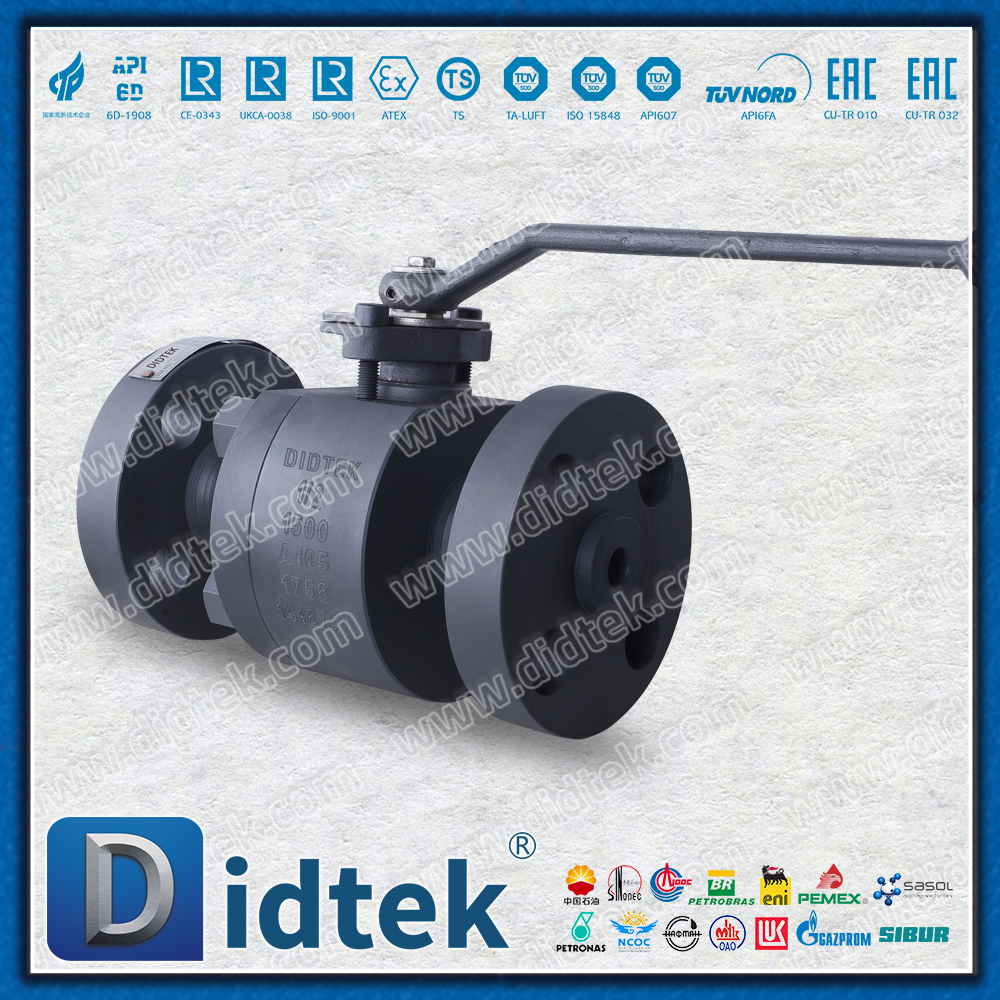
The simplicity of the Standard Ball Valve makes it a popular choice for applications that do not require advanced safety features. It is cost-effective and easy to operate, requiring only a 90-degree turn to open or close the valve. This simplicity makes it ideal for basic fluid control systems.
Standard ball valves are straightforward in design, making them easier to maintain and service. They have fewer components than more complex valves, reducing the need for frequent repairs. This makes them a popular choice for systems where regular maintenance is required.
Standard ball valves are used in various industries, including water treatment, HVAC, and light chemical processing. They are ideal for medium- to low-pressure systems and general fluid handling, where safety and pressure relief are not primary concerns.
When choosing between a Vented Ball Valve and a Standard Ball Valve, the most important factor to consider is the application. If your system involves high-pressure fluids, hazardous substances, or cryogenic applications, a Vented Ball Valve is necessary for safety. On the other hand, for systems with moderate pressure and simple fluid handling, a Standard Ball Valve will likely suffice.
● Temperature Range: Vented ball valves are better suited for extreme temperature conditions, while standard ball valves are ideal for moderate environments.
● Pressure Requirements: For high-pressure systems, vented ball valves provide an extra layer of safety by releasing trapped pressure.
● Fluid Types: Choose a vented valve for hazardous or volatile fluids, and a standard valve for non-hazardous substances.
● Safety Concerns: In critical applications, where safety is paramount, vented ball valves ensure that trapped gases and pressure are safely managed.
The Vented Ball Valve vs. Standard Ball Valve comparison highlights their key differences in design, functionality, and application. Vented ball valves offer safety by releasing trapped pressure, making them ideal for high-pressure or cryogenic systems. Standard ball valves are simpler and cost-effective, suited for less demanding environments. Choosing the right valve depends on system needs for pressure, temperature, and fluid type.
For reliable and high-performance solutions, consider the valves offered by Didtek Valve Group Co., Ltd.. Their valves are designed for both safety and durability, ensuring efficient operation in various industries.
A: The primary difference between a Vented Ball Valve vs. Standard Ball Valve is the vent feature. Vented ball valves include a vent to release trapped pressure, making them ideal for high-pressure or cryogenic applications. Standard ball valves do not have this feature and are suited for lower pressure systems.
A: Use a Vented Ball Valve vs. Standard Ball Valve based on the application’s pressure needs. Vented ball valves are recommended for systems with fluctuating pressures or hazardous fluids, while standard ball valves are ideal for basic fluid control in lower-pressure systems.
A: Vented Ball Valves have a venting mechanism that releases trapped pressure when the valve is closed. This ensures safety in high-pressure or cryogenic applications by preventing valve failure due to pressure buildup.
A: A Vented Ball Valve is safer because it has a venting hole that allows pressure to escape when the valve is closed. This prevents the risks of pressure buildup, which could lead to leaks or valve failure, unlike a standard ball valve.
A: Yes, Vented Ball Valves are generally more expensive than standard ball valves due to their advanced design, which includes the venting mechanism to safely manage pressure in high-risk applications.


