+86-18058825678
- All
- Product Name
- Product Keyword
- Product Model
- Product Summary
- Product Description
- Multi Field Search

- Home
- Our Product
- About Didtek
- Solutions
- Exhibition Show
- Support
- News
 English

Views: 0 Author: Site Editor Publish Time: 2026-05-21 Origin: Site


To put in a flanged gate valve the right way, you need to follow important steps. First, look at all the parts to see if any are broken. Then, make sure the flanges line up and pick the right gasket. Set the valve down gently so you do not hurt the pipeline. Tighten the bolts the same amount so the connection is tight and does not leak. Problems like leaks or cracks can happen if flanges do not match or bolts are not even. If you do these steps, the valve will work well and last a long time.
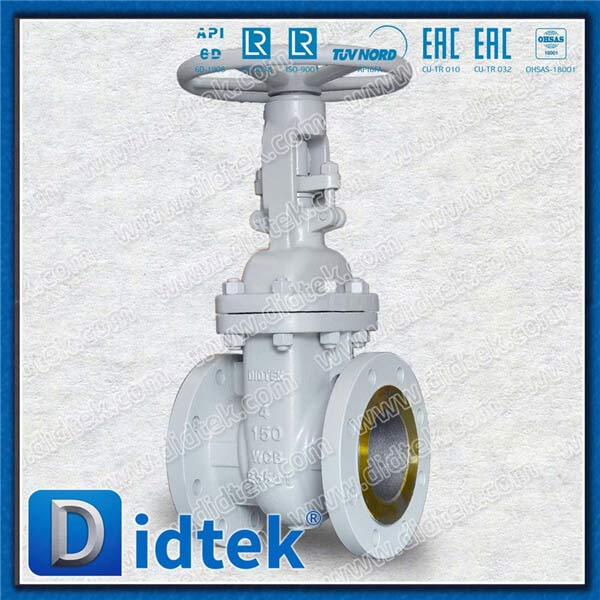
There are many good things about using a flanged gate valve in your system. This valve is special because it seals tightly and is easy to put in. The DIDTEK Flanged RF Handwheel Gate Valve is made with smart engineering. It helps your pipeline work better. This valve is great for places with high pressure and lots of flow. Its design lets liquid move smoothly and saves energy.
Here is a table that lists the main parts and how the valve works:
Component/Principle | Description |
|---|---|
Type of Valve | Gate valve, mainly used to stop flow. |
Operation | Wedge moves up and down with the stem nut. |
Flow Direction | Wedge travels across the flow direction. |
Pressure Drop | Minimum pressure drop when fully open. |
Shut-off Capability | Tight shut-off when fully closed. |
Contamination Resistance | Stays free of buildup. |
Design Features | Outside screw and yoke, bolted bonnet, flexible wedge. |
Available Options | Rising stem, non-rising stem, gear operator, flange ends, buttwelding ends. |
You also get low fluid resistance and simple shapes. The valve is made from materials that do not rust easily. This means it lasts longer and you do not have to fix it often. You can put in or take out the valve easily because of the flanged design. This makes fixing or upgrading the valve faster.
Tip: Pick a flanged gate valve if you want your system to work better and have less downtime.
You need to put in the valve the right way so it works well and lasts longer. If the flanges are not lined up or you use the wrong force, leaks can happen. Always check where the stem is. Keeping the stem pointing up stops dirt from getting inside the valve. Look at the valve and the pipeline before you install it. This helps you find problems that could hurt sealing or how long the valve lasts.
If you install it right, you get a strong seal that does not leak. The valve stays safe from damage and your system keeps working well. You can count on the DIDTEK Flanged RF Handwheel Gate Valve to work well if you follow these steps.
You need to get ready before you put in the valve. Gather all your tools and check the area where you will work. Getting ready helps you not make mistakes. It also keeps your system safe.
The DIDTEK Flanged RF Handwheel Gate Valve follows strict rules. These rules make sure the valve works well and lasts longer. Here is a table that shows the main rules for flanged gate valves:
Standard | Description |
|---|---|
API 600 | Covers how to design, build, and pick materials for cast steel gate valves. |
ASME B16.34 | Sets rules for design, pressure, wall thickness, and testing for steel valves. |
You need the right tools and things to put in the valve safely. Here is a list to help you get started:
DIDTEK Flanged RF Handwheel Gate Valve (make sure it fits your pipeline)
Pipe wrenches or tools for flange bolts
Gaskets or sealing tape (pick the right one for your job)
Torque wrench (for tightening the bolts)
Cleaning cloth
Gloves and safety gear
Pressure testing tools
Tip: Always use a torque wrench to tighten bolts the same. This stops leaks and keeps the gasket safe.
You must follow safety steps and check everything before you start. This keeps you safe and helps the valve work right.
Look at the valve and all parts. Make sure they fit your pipeline.
Clean the pipe ends. Take off rust, dirt, or oil. Flush the pipeline to clear out anything inside.
Shut off and let out pressure from the pipeline. Drain any fluid where you will work.
Check the flange faces for damage or bending. Make sure the flanges line up straight.
Pick the right gasket for your job. The gasket must fit and match the pressure.
Test the valve by opening and closing it before you put it in. Make sure it moves easily.
If you do these steps, you will have a safe and strong start for your DIDTEK Flanged RF Handwheel Gate Valve. Getting ready helps you stop leaks, misalignment, and other problems.
Putting in a gate valve needs good planning and the right steps. This guide shows you each step so you can install it well. You will see how to install a flanged gate valve by following every part of the process.
First, handle the gate valve gently. Use safe lifting tools to move it. Do not drop or drag the valve. Keep the valve away from heat when you install it. Heat can hurt the valve parts and make it work badly.
When you put the gate valve in place, make sure the stem points straight up. This makes it easier to use and keeps the stem and packing from wearing out fast. It also helps the inside of the valve stay steady. Line up the valve with the pipeline before you connect the flanges. This stops stress and damage to the valve and pipeline.
Here are some important tips for handling and positioning:
Use the right equipment to lift the gate valve. This keeps you and the valve safe.
Keep the valve open when you are not using it. This stops flow impact.
Never take the valve apart if there is pressure inside. Always let the system vent first.
Put grease on the valve stem and seats before you install it. This stops sticking.
Do not leave the valve half open. The gate can get stuck.
Tip: Always check that the valve fits the pipeline size and pressure rating before you start.
Getting the flanges lined up right is very important. Clean the flange faces on the pipeline and the gate valve. Take off any dirt, rust, or old gasket pieces. Look at the flanges for dents or bending. The flange faces must be flat and match each other.
Next, pick the right gasket. The gasket must fit the pressure, temperature, and fluid in your system. Make sure it fits the flange size and material. Put the gasket between the flanges before you connect them.
Follow these steps for flange alignment and gasket placement:
Clean and check all flange surfaces.
Make sure the flanges are flat and line up.
Pick a gasket that fits your system.
Put the gasket between the flanges carefully.
Make sure the gasket stays in place.
Note: Using the right gasket and lining up the flanges right helps stop leaks and makes a tight seal.
Tightening the bolts the right way is very important. Tighten the bolts in a star or crisscross pattern. This spreads the pressure evenly and keeps the gasket safe. Use a torque wrench to use the right force.
Here is how to tighten the bolts:
Tighten all bolts by hand until they are snug.
Use 20-30% of the final torque in a star pattern first.
Go up to 50-70% of the final torque in the same pattern next.
Finish tightening all bolts using the star pattern.
Check all bolts in a circle to make sure they are tight.
This bolt tightening order helps stop leaks and keeps the gate valve safe. Always follow the maker’s torque rules for a good installation.
Tip: After you tighten the bolts, look for gaps or uneven pressure. Tighten bolts again if you need to.
If you follow this guide, you will know how to install a flanged gate valve the right way. Careful handling, lining up the flanges, and tightening the bolts right are the most important steps. Use the right tools and materials for each step. This guide helps you install the gate valve well and keeps your system working smoothly.
After you put in the gate valve, check if it works right. First, open and close the valve all the way. Turn the handwheel and see if it moves smoothly. If it feels hard to turn or gets stuck, stop and look at the valve. This helps you make sure nothing inside is broken.
Watch the stem as you move the valve. If it is a rising stem valve, the stem should go up and down. This means the inside parts are working. Look at the flange faces to see if they are flat and lined up. If they are not flat, leaks can happen. Make sure you tightened the bolts in the right order. This keeps the gasket safe and stops leaks.
Here is a checklist to help you stay safe during this check:
Open and close the valve all the way.
Watch the stem move up and down.
Check if the flange faces are flat.
Make sure the gate valve is in the right spot.
Check if you tightened the bolts in the right order.
Tip: Always wear safety gear when you test the gate valve. This keeps you safe from leaks or sudden pressure.
Testing the gate valve after you install it is very important. Start with a hydrostatic pressure test. Slowly add pressure to the system and stop at each step. Look at every joint, especially where the flanges connect, for leaks. If you see water drops or wet spots, stop and fix the problem.
Do a seat leakage test too. Close the valve all the way and check for leaks or pressure changes on the other side. Test both seats if you can. This makes sure the valve seals well both ways. Write down the order you used to test the gate valve. Keep notes of what you find.
Here is a simple table for your notes:
Test Type | Result | Notes |
|---|---|---|
Hydrostatic Pressure | Pass/Fail | Leak found? |
Seat Leakage | Pass/Fail | Downstream pressure? |
Bolt Tightening | Pass/Fail | Sequence followed? |
Note: Write down every step you do. This shows you did all the safety checks and helps you later if you need to fix the valve.
If you do these checks, you know the valve is put in the right way. You also make sure you put the gate valve in the right spot, tightened the bolts, and tested the valve in the right order. These steps help keep your system safe and working well.
Putting in a gate valve looks easy, but mistakes can happen. If you do not pay attention, you might mess up. Knowing these mistakes helps you stop problems and keeps your system safe.
You must follow safety steps every time you install a gate valve. If you skip these steps, you could get hurt or break your equipment. Some people forget to check if the pipeline has pressure. Others do not wear safety gear. Always shut off the pipeline and drain out any fluid before you start. Clean the flange faces and check for damage. This helps stop leaks.
Here is a quick checklist to help you remember safety steps:
Wear gloves and eye protection.
Shut off and drain the pipeline.
Inspect the valve and flanges for cracks or dirt.
Use proper lifting tools.
Tip: Do not rush when you install the valve. Take your time to stay safe and help the valve last longer.
Misalignment and wrong bolt tightening cause many problems. If you do not line up the flanges, leaks can happen. The valve might be hard to use. The handwheel could feel stiff. The stem might not move smoothly. Misalignment makes parts wear out faster. It can even break the stem.
Incorrect bolt tightening is another common mistake. If you tighten bolts unevenly, you can hurt the gasket. This can cause leaks at the flange. You might also see damage to the flange or valve body. Use a torque wrench and tighten bolts in a star pattern. This helps you avoid these problems.
Mistake | Possible Result |
|---|---|
Flange misalignment | Leaks, increased torque, wear |
Uneven bolt tightening | Gasket damage, flange leakage |
Over-tightening bolts | Flange or body damage, bolt failure |
Remember: Always check alignment and use the right tightening sequence. This keeps your DIDTEK Flanged RF Handwheel Gate Valve working well.
You can install a flanged gate valve safely by following each step carefully. Start with good preparation. Use the right tools and check every part. Install the valve with the correct technique. Test for leaks and record your results. Always read the manufacturer’s guide. Write down what you do for future checks. If you face a tough job, ask a professional or contact DIDTEK support for help.
Tip: Careful work today means fewer problems tomorrow.
Pick a gasket that matches your system’s pressure, temperature, and fluid type. Check the size and material. Always use a gasket that fits the flange and meets industry standards.
You need a torque wrench, pipe wrenches, cleaning cloths, safety gloves, and the correct gasket. Pressure testing tools help you check for leaks.
Tip: Always use a torque wrench to tighten bolts evenly.
Inspect the valve every few months. Look for leaks, check the handwheel, and make sure the bolts stay tight. Regular checks help you catch problems early.
You should install the valve with the stem pointing up. This keeps dirt out and helps the valve last longer. Avoid installing it upside down or sideways.
Tighten the bolts in a star pattern.
Check the gasket for damage.
Replace the gasket if needed.
Test again for leaks.
Note: Always wear safety gear when fixing leaks.


