+86-18058825678
- All
- Product Name
- Product Keyword
- Product Model
- Product Summary
- Product Description
- Multi Field Search

- Home
- Our Product
- About Didtek
- Solutions
- Exhibition Show
- Support
- News
 English

Views: 0 Author: Site Editor Publish Time: 2026-06-05 Origin: Site


You need the best gate valve for petrochemical work. This helps keep things safe and efficient in 2026. Automation lets you check and control valves from far away. It helps you act fast in emergencies. Picking the right materials keeps valves safe from harsh fluids. It also protects them from very hot or cold temperatures. Safety certifications like ATEX and API are important. They help you follow rules and keep your team safe.
Manufacturer | Innovation Focus | Reliability Commitment |
|---|---|---|
Didtek | Strong innovation and reliability | Quality and customer service |
Competitor 1 | New technologies | Expense management |
Competitor 2 | Technical quality | Best technical quality |
Gate valves are used every day in petrochemical plants. They control how fluids move through pipes. This helps everything work well and safely. Gate valves are popular because they turn on and off easily. They also keep pressure loss low. You see them a lot in systems with high pressure and heat.
Gate valves can shut off parts of a pipeline for repairs or emergencies. This stops dangerous fluids from leaking and keeps people safe.
Gate valves handle fluids under high pressure. This is important for many petrochemical jobs.
Special materials like stainless steel or alloys make gate valves last longer. These materials help them fight rust and damage.
Gate valves manage hot fluids in steam and heat systems. They also deal with changes in temperature.
Emergency shutdown systems use gate valves to quickly stop dangerous fluids.
Didtek makes reliable and high-quality gate valves. Their products meet strict rules. This helps you trust your equipment and avoid losing time and money.
Choosing gate valves for petrochemical work is not easy. Durability is very important. Harsh chemicals and extreme heat can damage regular valves fast. You need valves made from strong materials that resist rust and wear.
Certifications are needed, too. You must follow safety rules like ATEX and API. This keeps your site safe and legal. Fire resistance matters as well. If there is a fire, valves must keep working to stop leaks and protect the plant.
Tip: Always pick gate valves that pass tough tests and have the right certifications for petrochemical use.
When you use good gate valves, your plant stays safe, efficient, and reliable.
If you work in petrochemical plants, you must pick the right valves. Gate valves help control how fluids, gases, and slurries move. Didtek has many gate valves for different jobs. Knowing about valve types helps you choose what your plant needs.
Wedge gate valves are the most used in these plants. They use a wedge to stop or let fluids pass. These valves shut tightly and keep pressure loss low. They work with clean fluids, steam, and oil. They also handle high heat and pressure.
Wedge gate valves can block parts of a system.
They last a long time and work well.
You can control them from far away with automation.
Note: Didtek’s wedge gate valves follow strict rules and come in many sizes and materials.
Knife gate valves are best for thick fluids or slurries. Their sharp gate cuts through solids, so clogs are rare. You see these valves with heavy oils, wastewater, or slurries.
These valves help your system run well with tough fluids. Knife gate valves lower repairs and make things more reliable.
Pressure seal gate valves are made for very high pressure and heat. You need them in steam lines or important units. Their design keeps a tight seal, even when pressure goes up.
Here is what pressure seal gate valves do in plants:
Feature | Description |
|---|---|
High-Pressure Handling | Made to handle high pressure in these plants. |
Tight Sealing | Keeps a tight seal in tough conditions. |
Operational Safety | Helps keep the system safe and working right. |
Minimal Flow Resistance | Lets fluids move easily, so pressure drop is low. |
You can trust these valves to keep your system safe and working well. They stop leaks and help you stay in control, even when things get hard.
Slab and slide gate valves are good for slurries and rough fluids. They are strong and seal both ways for good flow control. You get less pressure drop, which saves energy and money.
Slab gate valves work in high heat and pressure. They last long and need little care. For example, a full-port slide gate valve can save up to 30% energy. If you move lots of slurry, you can save a lot of money each year. These valves only need oil once a year, so upkeep is cheap.
Tip: Picking the right valves can save money and help your plant work better.
When you pick Didtek gate valves, you get what fits your needs. You make your plant safer, more efficient, and more reliable.
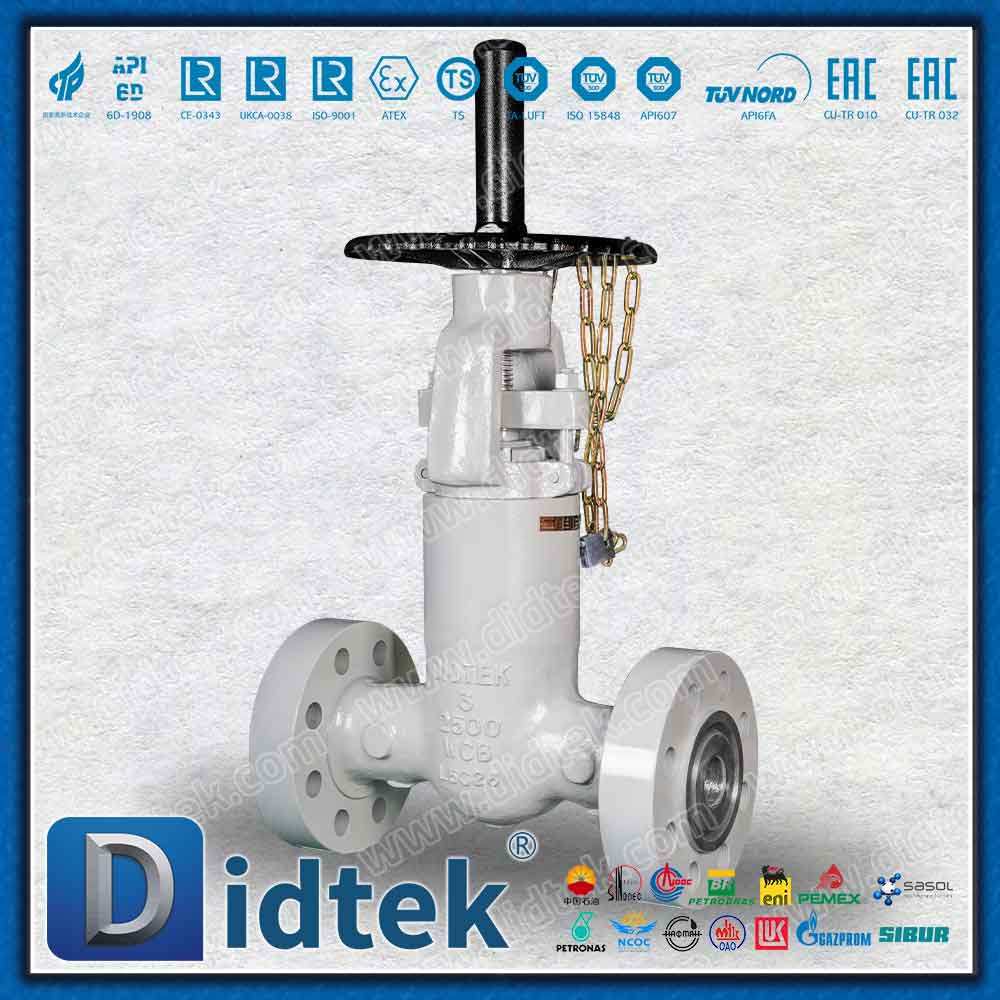
Gate valves help stop flow in certain parts of a plant. You can fix or upgrade pipes without turning off everything. This keeps workers safe by blocking dangerous fluids during repairs. In an emergency, you can quickly stop the flow. This helps stop leaks and keeps people and machines safe. Gate valves are important for safety and emergency shutoff systems.
Gate valves block pipes so repairs are safe.
They shut off fast in emergencies to lower danger from bad fluids.
Many petrochemical jobs use high pressure and heat. Gate valves work well in these hard places, like steam and heat systems. DIN gate valves use special materials such as stainless steel. These valves seal tightly and do not rust. You use them where there is lots of pressure and steam. They last long and work well, even with strong chemicals and heat.
You find gate valves in steam pipes, reactors, and heat exchangers. They help your system stay safe and work well when pressure and heat are high.
Chemical plants often have harsh and rough fluids. Gate valves made with strong materials can handle these tough jobs. The table below shows how each material helps with different fluids:
Material | Properties | Key Applications |
|---|---|---|
316 Stainless Steel | Great at fighting rust, works with high pressure and heat | Chemical, food, medical industries |
Fluorine Lining | Stands up to strong acids and bases, wears down slowly | Controls harsh fluids in chemical plants |
Ceramic | Very hard, resists wear, stays stable with chemicals | Slurry, wastewater, rough and harsh fluids |
Didtek has gate valves with these materials. You can pick the right one for your job.
Plants need gate valves that work fast in emergencies. Automated gate valves close right away when told by the control system. This quick closing stops leaks or fires before they get worse. Using these valves helps keep your plant and workers safe. These valves meet important safety rules for emergencies.
Gate valves help control fluids, block flow, and keep things safe. Knife gate valves cut through thick oil. Slide gate valves stop dry stuff and air from leaking out. Didtek makes gate valves for your special needs, so you always get the right one for your job.
Picking the right gate valve for petrochemical work in 2026 is important. You need to think about new materials, if it works with automation, safety rules, and how long it will last. Each thing helps your plant stay safe and run well.
Petrochemical plants have strong chemicals, high heat, and rough fluids. The material you pick for your gate valve must handle these things. New changes make gate valves stronger and better. The table below shows some new material upgrades:
Advancement Type | Description |
|---|---|
Advanced Alloys | Nickel-based superalloys and high-entropy alloys provide superior resistance to corrosion and erosion. |
Nanostructured Coatings | Ceramic and diamond-like carbon coatings protect against chemical corrosion and reduce friction. |
Surface Modification Techniques | Plasma nitriding and carburizing create hardened surfaces that resist abrasion and chemical degradation. |
Composite Materials | Fiber-reinforced polymers and metal matrix composites combine lightweight properties with high strength. |
Smart Materials | Shape memory alloys and self-healing coatings enhance performance and repair minor damage autonomously. |
When you choose a gate valve, look for these new materials. They help your valve last longer and stop leaks or breaks. Didtek has many material choices and can make special valves for you with OEM and ODM services. This means you get a valve that fits your plant.
Today’s petrochemical plants use automation to be safer and faster. When you pick a gate valve, make sure it works with your control system. Automation gives you many good things:
You can watch how the valve works all the time.
You can fix problems before they get worse.
The system can change how it works to do better.
Automation helps you see if your gate valves are healthy. You can find problems early and fix them fast. As Industry 4.0 grows, smart gate valves help your plant run well and safe. Didtek makes gate valves that work with actuators and fit into automated systems.
Safety is very important in petrochemical plants. You must pick gate valves that pass strict safety rules and have the right certifications. Look for valves with ATEX, API, and other safety codes. Certified valves help your plant follow the law and keep workers safe.
Didtek checks every gate valve to make sure it meets or beats these rules. Their strong quality checks help you trust your equipment. You know your valve will work, even in emergencies.
Tip: Always check that your gate valves have the newest certifications before you buy them.
Good valves last longer if you take care of them. You should follow a plan to keep your gate valves working well. The table below shows what you should do:
Maintenance Type | Actions |
|---|---|
Daily Inspections | Visual checks for corrosion, operational status checks, sealing performance, and torque monitoring. |
Quarterly Maintenance | Lubricate parts, check bolt tightness, polish sealing surfaces, and record torque. |
Semi-Annual Maintenance | Inspect internal components, clean valve cavity, replace gaskets, and apply anti-corrosion grease. |
Annual Maintenance | Full disassembly, non-destructive testing, inspect alignment, and rebuild with new components. |
Good gate valves break less and cost less to fix. Didtek tests their gate valves to make sure they are strong and reliable. If you keep up with maintenance and pick good valves, your equipment will last longer.
Note: Picking the right gate valves and following a good maintenance plan will help your plant stay safe and work well.
If you think about these things, your gate valve will give you the safety, performance, and reliability your plant needs.
When picking a gate valve supplier, do more than look at catalogs. First, see if the supplier knows your real work needs. Do not just use P&ID specs. Make sure the valve fits your process. For example, globe valves clog in dirty slurry. Gate valves should not be used to control flow, or they can break.
Check if the supplier has the right certifications and tests. Look for standards like API 6D, ASME B16.34, and ISO 9001. These rules help make sure the valves are safe and good quality. Ask what materials are used, like stainless steel or high-nickel alloys, to fit your plant. Good suppliers, like Didtek, do hydrostatic and ultrasonic tests to check how valves work.
Tip: The best suppliers help you pick the right valve for your job, not just what is listed.
Installing gate valves the right way keeps them safe and working well. Always follow what the maker says. Use stainless steel or carbon steel for tough chemicals and heat. Pick the right size valve to stop pressure drops and keep flow steady.
Line up the valve with pipes to lower stress and damage.
Check for leaks after you put it in.
Look at the valve often to make sure it works well.
Smart valves with sensors are now more common. These valves help you watch how they work and find problems early.
Doing regular care helps your gate valves last longer. Make a plan for daily checks, oiling every few months, and yearly inspections. Use safe tests to find hidden problems. Clean and oil moving parts so they do not stick or rust.
Maintenance Task | Frequency | Purpose |
|---|---|---|
Visual Inspection | Daily | Find leaks or rust |
Lubrication | Quarterly | Keep parts moving smoothly |
Full Inspection | Annually | Check for wear and alignment |
If you need a special valve, talk to makers like Didtek. Their team can help you pick, install, and take care of the best gate valves for your plant.
When picking gate valves for petrochemical work in 2026, remember these steps: Pick strong and eco-friendly materials so the valves last a long time. Use digital tools and automation to make things safer and faster. Work with suppliers you trust for help and special solutions. Get valves from different places so you do not run into supply problems.
Feature | Benefit |
|---|---|
Corrosion Resistance | Works well with tough chemicals and fluids |
Precision Control | Helps keep flow safe and correct |
Talking to experts or companies like Didtek helps you find the best valve for your plant.
Look for certifications like API, ATEX, and ISO 9001. These show the valve is safe and high quality. Certified valves help you follow the rules and keep your plant safe.
Check gate valves every day. Do a full maintenance at least once a year. Regular checks help you find leaks or damage early. This keeps your system safe and working well.
Yes, you can use actuators and sensors to automate gate valves. Automation lets you control valves from far away. You can act fast in emergencies. It also helps you watch valve health all the time.
Material | Best Use Case |
|---|---|
Stainless Steel | General corrosion |
Fluorine Lining | Strong acids/bases |
Ceramic | Abrasive slurries |
Pick the material that matches the fluid in your system.


