+86-18058825678
- All
- Product Name
- Product Keyword
- Product Model
- Product Summary
- Product Description
- Multi Field Search

- Home
- Our Product
- About Didtek
- Solutions
- Exhibition Show
- Support
- News
 English

Views: 0 Author: Site Editor Publish Time: 2026-05-16 Origin: Site


You use a gear operated gate valve to control fluid in pipes. It works by lifting a gate out of the way. This valve has a gearbox that makes it easier to use. It helps a lot with high pressure or big systems. You can find these valves in oil and gas, water treatment, and factories. The design lets the valve seal tightly and keeps pressure drop low. Didtek gives good solutions so your system works well and stays safe.
A gear operated gate valve helps you control liquids or gases in pipes. It uses a gear system to open or close the gate inside. The gears make moving the gate easier for you. This is helpful when pipes are big or pressure is high. You turn the handwheel, and the gear makes your force stronger. The gate goes up or down to start or stop the flow.
Gear-operated valves are special because they need less effort to use. You see them in oil refineries, water plants, and ships. The gear lets you seal tightly and work smoothly, even when conditions are tough. Didtek makes gear-operated valves that work well in many places. Their products include wedge gate valves, long stem gate valves, pressure seal gate valves, and slab gate valves. Didtek cares about quality and gives custom solutions for your needs.
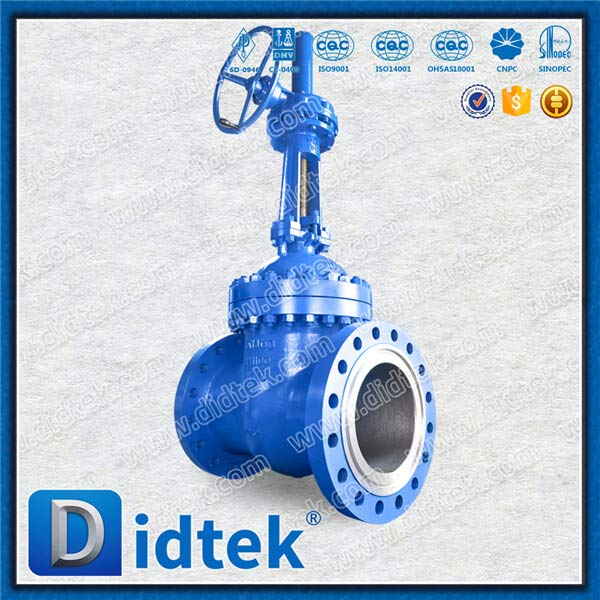
When you look at a gear operated gate valve, you see many important parts. Each part helps the valve work right. Here is a table that shows the main parts and what they do:
Component | Description |
|---|---|
Body | Holds other parts and connects to pipes. |
Bonnet | Covers the stem and gate, lets you do maintenance. |
Gate | Blocks or lets fluid flow, seals tightly. |
Stem | Moves the gate, can be rising or non-rising. |
Seat | Seals shut when the gate is closed, has two seats for both ways. |
You should know about the materials used in gear-operated valves. The material affects how well the valve works and how long it lasts. Here is a table that shows how different materials help:
Material Type | Impact on Performance |
|---|---|
Stainless Steel | Resists rust, lasts longer in harsh places. |
Nickel Alloys | Stops rust and wear, lasts longer in tough conditions. |
Advanced Alloys | Very strong, resists chemicals, stays stable. |
Specialized Coatings | Makes parts last longer, lowers friction, protects from rust and wear. |
The gear, body, and other parts work together to make the valve strong and reliable. The gear system is the most important part. It helps you use less force and gives you better control. When you know how the valve works and what parts it has, you can pick the right gear operated gate valve for your job.
You begin by turning the handwheel. The handwheel connects to the gearbox. The gearbox makes your force stronger. It also makes the movement smoother. When you turn the handwheel, the gearbox increases torque. This means you do not need much strength. The gearbox keeps the valve safe from quick moves. It helps you control the flow better.
Tip: The gearbox makes the valve safer and easier to use. It is very helpful for big valves or high-pressure systems.
Here is a table that shows how the gearbox helps:
Mechanical Advantage | Description |
|---|---|
Torque Multiplication | Makes the valve easier to turn. |
Reduced Manual Effort | You use less strength to move the valve. |
Improved Control | You can move the valve slowly and carefully. |
Protection from Damage | Stops quick moves that could break the valve. |
Enhanced Operator Safety | Lowers the chance of getting hurt while using it. |
The worm gear and worm wheel are inside the gearbox. You turn the handwheel, and the worm gear spins. The worm gear has a spiral shape. It fits with the worm wheel. This setup gives a high reduction ratio. You can open or close big valves easily. The worm gear system locks itself. The valve stays in place and does not move under pressure.
Ball bearings help lower friction in the worm gear system. The oil seal hole is made smooth. This makes turning the valve easier. Here is a table that shows what the worm gear and worm wheel do:
Feature | Description |
|---|---|
High Reduction Ratio | Makes it easier to open large gate valves. |
Self-Locking Feature | Keeps the valve from moving by accident. |
Optimized Transmission Structure | You need less force to open and close the valve. |
Reduced Friction | Ball bearings make turning smoother and easier. |
Gear ratios like 40:1 are common in gear-operated valves. This means you turn the handwheel 40 times to move the gate all the way. Some valves use ratios from 5:1 up to 100:1. The bigger the ratio, the easier it is to use the valve.
When you turn the handwheel, the gearbox moves the worm gear. The worm gear turns the stem. The stem has threads that fit with the stem nut. This makes the gate go up or down inside the valve. The gate blocks or opens the path for fluid. You control the flow by moving the gate.
You turn the handwheel or actuator.
The stem turns and threads fit with the stem nut.
The gate goes up to open or down to close.
The stem’s outside thread fits with the inside thread on the gate disc. This makes the gate move along the stem. You see the gate rise when you open the valve. You see it go down when you close the valve.
You use gear-operated valves to control flow in pipes. The way it works is simple. You turn the handwheel, and the gearbox makes your force stronger. The worm gear system moves the stem and gate. The gate opens or closes the passage. You can control the flow exactly and stop or start it when you want.
The gearbox and gear system make using the valve smooth and safe. You avoid quick moves and lower the risk of damage. The valve stays locked, even when there is high pressure. Gear-operated valves work well for hard jobs and tough places.
Note: Knowing how gate valves work helps you pick the right valve. The way gear-operated valves work gives you better control and safety.
You see different gear mechanisms in gear-operated valves. Each gear system helps you control the valve in a unique way. You need to know how these gears work so you can choose the right valve for your job.
Worm gear systems are common in gear-operated valves. You turn the handwheel, and the worm gear inside the gearbox moves the gate. This gear gives you a high gear ratio, sometimes up to 100:1. You use less force because the gearbox multiplies your effort. Worm gears lock themselves, so the valve stays in place even when pressure changes. You find worm gear systems in many types of gate valves, especially where you need strong control.
Tip: Worm gear systems work well in tough environments. You get smooth movement and reliable locking.
Here is a table that compares worm gears and bevel gears:
Gear Type | Advantages | Disadvantages |
|---|---|---|
Worm Gears | High gear ratio, self-locking, good for industrial use | High friction, quick wear, lower efficiency |
Bevel Gears | Low noise, high torque, high efficiency, hollow shaft possible | More expensive, needs precise positioning, limited ratio |
Bevel gear systems use angled gears inside the gearbox. You turn the handwheel, and the bevel gear moves the gate. This gear gives you high efficiency and low noise. You get more torque with bevel gears, so you can open and close the valve easily. The gearbox needs careful setup for bevel gears to work well. You see bevel gear systems in gear-operated valves where quiet operation matters.
Bevel gears help you control the valve with less noise.
You get higher torque compared to worm gears of the same size.
The gearbox lets you use hollow shafts for special types of gate valves.
You use gear-operated valves in many places. Worm gear systems fit oil and gas plants, water treatment, and marine jobs. You need strong locking and high gear ratios in these areas. Bevel gear systems work best in places where you want quiet operation and high efficiency, like pharmaceutical factories or clean rooms.
You pick the gear mechanism based on your needs.
Gear-operated valves help you manage flow in large pipes.
The gearbox makes operation safe and easy for all types of gate valves.
Note: You should check the gearbox and gear type before choosing a valve. The right gear mechanism gives you better performance and longer life.
A gear operated gate valve makes your work easier. The gear system increases your strength. You turn the handwheel with less effort. Large or high-pressure valves are not hard to use. The gear lets you move the gate slowly and safely. You do not make fast moves that could break things. The gear helps you adjust the flow exactly how you want.
Didtek builds gate valves with strong gears and tough materials. You get valves that work well and do not tire you out. Didtek lets you pick the best gear for your job.
Here is a table that shows how the gear helps:
Aspect | Explanation |
|---|---|
Handling High Torque | Gearboxes turn small forces into bigger ones, so big valves are easy to use. |
Suitable for Frequent Operation | Gearboxes lower the effort needed, so you can use the valve often without getting tired. |
Enabling Precise Control | High gear ratios let you make small changes, which is important when you need careful flow control. |
Enhancing Safety | Slow valve moves stop water hammer, which keeps the system safe. |
You often use big gate valves in factories. The gear system lets you move valves that are too heavy to move by hand. Gear operated gate valves are used in oil plants, water plants, and ships. The gear helps you use the valve often and keeps it steady when pressure is high.
Didtek has gate valves with gears for many sizes and types. You can pick wedge gate valves, pressure seal gate valves, or slab gate valves. The gear makes it easy to use even very large valves.
Gear operated gate valves are easier to use than manual ones. Manual valves need more strength and can make you tired. Gear operated valves need less effort and give you better control. You get safer and more steady valve use in hard places.
Gate valves made from cast iron or stainless steel need care. Inside parts can rust or wear out, which costs more money. The gear system stops fast moves, so you protect the valve and need less fixing.
Here is a table that shows the size limits for using valves by hand:
Valve Type | Size Threshold (DN) | Size Threshold (Inches) |
|---|---|---|
Ball Valves | 150 | 6 |
Butterfly Valves | 200 | 8 |
Gear operated gate valves work best for big sizes and tough jobs. Didtek’s strong gears and custom choices help you save money on care and use.
Tip: Pick a gear operated gate valve if you want easy use, good performance, and strong flow control in your system.
You now know how gate valves work. The gear system is important for safe valve control. The gear helps you use big valves easily. It also helps with high pressure and when you use the valve a lot. Didtek makes strong gear operated gate valves. Their valves last a long time because they focus on quality and new ideas. When you pick a valve, remember these points:
Criteria | Description |
|---|---|
Valve Size | Use gear for valves bigger than DN200 (8 inches) or DN350 (14 inches) to stay safe. |
System Pressure | Gear is good for high-pressure systems. |
Operating Frequency | Gear makes using the valve often safer and easier. |
Material Selection | Choose the right material for where you use the valve. |
Gear operated gate valves work well for hard jobs. They also make the system run smoothly. If you know how gate valves work, you can pick the best one for your needs.
You turn the handwheel. The gearbox multiplies your force. The gate moves up or down. You control the flow of fluid in the pipe.
You use these valves in oil and gas plants, water treatment facilities, ships, and factories. They work well in places with high pressure or large pipes.
The gear system reduces the effort needed. You can open or close big valves without using much strength. The gearbox also helps you control the valve slowly and safely.
Tip: Check the size of your valve and the pressure in your system. Worm gears work best for strong locking. Bevel gears are good for quiet operation.
You can ask Didtek for custom solutions. You choose materials, sizes, and gear types. Didtek helps you find the best valve for your needs.


