+86-18058825678
- All
- Product Name
- Product Keyword
- Product Model
- Product Summary
- Product Description
- Multi Field Search

- Home
- Our Product
- About Didtek
- Solutions
- Exhibition Show
- Support
- News
 English

Views: 0 Author: Site Editor Publish Time: 2025-07-15 Origin: Site


In modern industries, automation has become a driving force for efficiency, reliability, and safety. From oil and gas refineries to water treatment facilities, automated systems help operators control processes with precision and consistency. At the heart of many of these systems lies a crucial component: the pneumatic actuated ball valve.
This type of valve combines the reliable sealing mechanism of a ball valve with the speed and power of a pneumatic actuator. Together, they form an essential piece of equipment that allows industries to regulate fluid flow automatically, respond quickly to changing conditions, and minimize the need for manual intervention. To understand their importance, it is helpful to look closely at how pneumatic actuated ball valves work, why they are so effective, and the many ways they improve automation in fluid control systems.
A ball valve is a simple yet highly effective valve design. It uses a spherical ball with a hole through its center to control fluid flow. When the hole is aligned with the pipeline, fluid flows freely. When the ball is rotated 90 degrees, the hole is blocked, and the flow stops. This quarter-turn design makes ball valves quick to operate and excellent for shut-off applications.
When paired with a pneumatic actuator, the ball valve gains automated capabilities. The actuator uses compressed air to rotate the ball inside the valve body, eliminating the need for manual turning. Depending on the design, the actuator can provide either on/off control or precise modulation of flow. Pneumatic actuators are favored in many industries because they respond quickly, generate significant torque, and can operate reliably even in harsh environments where electric or hydraulic options may struggle.
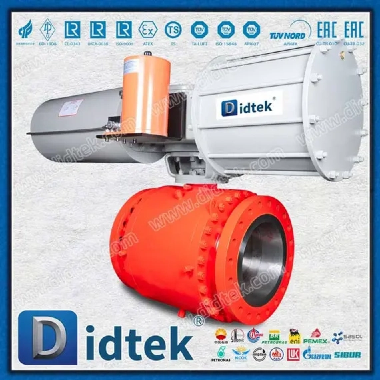
Automation in fluid control is all about precision, consistency, and safety. By integrating pneumatic actuated ball valves into automated systems, industries gain the ability to control flow remotely, program responses into control systems, and eliminate delays associated with manual handling. These valves act as the “hands” of automated systems, physically regulating the flow of gases, liquids, and steam according to the instructions provided by controllers, sensors, or operators.
For example, in a chemical plant, if a sensor detects that pressure in a pipeline is reaching unsafe levels, a pneumatic actuated ball valve can be triggered to close instantly, isolating the flow and preventing accidents. In water treatment facilities, these valves can be programmed to regulate the amount of water entering different stages of purification without constant human monitoring. Such capabilities make them indispensable in industries where precise flow management is vital.
One of the main reasons pneumatic actuated ball valves are preferred in automation is their speed. Because compressed air can be released quickly to drive the actuator, the valve can open or close almost instantly. In emergency situations, this rapid response can prevent damage to equipment or avoid dangerous conditions.
Ball valves, especially in larger sizes or high-pressure applications, require significant torque to operate. Pneumatic actuators deliver this power efficiently, ensuring that the valve opens or closes fully even under demanding conditions. This reliability makes them suitable for heavy-duty industrial use.
In environments such as oil refineries or chemical plants where explosive gases may be present, using electric actuators can pose risks. Pneumatic actuators, powered by compressed air, are inherently safer and reduce the chance of ignition. This makes pneumatic actuated ball valves ideal for hazardous areas where safety is non-negotiable.
Pneumatic actuated ball valves are well-suited to extreme environments. They can withstand high temperatures, corrosive substances, or dusty conditions with proper materials and coatings. Their ability to function reliably where other types of actuators may fail adds to their value in automated systems.
Automation with pneumatic valves reduces reliance on manual operation, minimizing the risk of human error. Instead of depending on workers to turn valves at the right time, the system ensures that the valve opens or closes precisely when needed, according to programmed instructions or sensor signals.
The versatility of pneumatic actuated ball valves makes them valuable across a wide range of industries.
In the oil and gas industry, these valves are used to regulate the flow of crude oil, natural gas, and refined products. Their ability to close quickly in emergency conditions makes them vital for safety systems on pipelines and offshore platforms.
In chemical processing, automation is critical for maintaining correct flow rates and preventing cross-contamination. Pneumatic actuated ball valves allow precise dosing of chemicals and reliable shut-off when dealing with hazardous fluids.
In water treatment plants, these valves are essential for controlling the distribution of water between different stages of filtration and purification. Automation ensures consistent water quality and reduces the need for constant operator supervision.
In food and beverage production, hygienic-grade pneumatic actuated ball valves are used to control the flow of liquids such as milk, beer, or juices. Their automated control helps maintain cleanliness and ensures consistent product quality.
In power generation, particularly in steam and cooling systems, these valves help regulate flow efficiently, contributing to reliable and safe plant operation.
Safety is one of the most significant benefits of using pneumatic actuated ball valves in automated systems. In many industries, dangerous conditions can develop in seconds. A leak of flammable gas or a sudden surge in pressure can create a life-threatening situation. Pneumatic actuated ball valves, when integrated into safety instrumented systems, act immediately to isolate the problem.
Their fail-safe designs ensure that in the event of power loss or a sudden drop in air pressure, the valve moves automatically to a safe position—either open or closed depending on the application. This fail-safe action provides an extra layer of security and peace of mind, ensuring that even if other systems fail, the valve will still act to protect people and equipment.
Automation is not just about safety and precision—it also contributes to efficiency and cost reduction. Pneumatic actuated ball valves help minimize wasted energy by ensuring that flow is controlled accurately. For example, in compressed air systems, leaks and unnecessary flow can waste energy and increase costs. Automated valves respond instantly to system demands, reducing waste and improving overall efficiency.
Additionally, by reducing the need for manual operation and preventing unplanned downtime, these valves contribute to lower labor costs and more predictable maintenance schedules. In the long run, investing in pneumatic actuated ball valves can lead to significant financial savings for industrial operators.
Like all equipment, pneumatic actuated ball valves require proper maintenance to remain reliable. However, compared to more complex electric or hydraulic actuators, pneumatic systems are relatively simple and cost-effective to maintain. Regular checks for air leaks, inspections of seals and seats, and periodic functional tests ensure that the valves continue to perform as expected.
The robust design of ball valves means they typically last for years even under tough conditions. When combined with a well-maintained pneumatic actuator, the result is a dependable solution that supports automation with minimal downtime.
As industries continue to advance, the role of pneumatic actuated ball valves will evolve further. Integration with digital monitoring systems is already becoming common. Valves can now be equipped with sensors that provide real-time data on their position, performance, and condition. This data can be fed into industrial control systems, allowing operators to anticipate maintenance needs and respond proactively.
In the future, as Industry 4.0 and smart factories expand, pneumatic actuated ball valves will become even more integrated into automated networks. Their combination of speed, safety, and reliability makes them a natural choice for modern industrial automation.
Pneumatic actuated ball valves are more than just mechanical devices—they are key enablers of automation in fluid control systems. By combining the robust sealing of a ball valve with the fast, powerful action of a pneumatic actuator, they offer industries a solution that enhances safety, reliability, and efficiency.
From oil and gas to food production and water treatment, these valves play a critical role in ensuring that processes run smoothly and safely. Their rapid response, durability, and ability to function in hazardous environments make them indispensable to modern automated systems.
As industries continue to push toward smarter, more efficient, and safer operations, pneumatic actuated ball valves will remain at the forefront of fluid control automation. With proper maintenance and integration into advanced control systems, they will continue to deliver long-lasting value, proving their worth as one of the most essential tools in industrial automation.


