+86-18058825678
- All
- Product Name
- Product Keyword
- Product Model
- Product Summary
- Product Description
- Multi Field Search

- Home
- Our Product
- About Didtek
- Solutions
- Exhibition Show
- Support
- News
 English

Views: 0 Author: Site Editor Publish Time: 2026-06-15 Origin: Site


You make your fluid control system better when you pick a swing check valve that fits your system. You can choose the best valve by looking at material, size, and design. You keep your system working well and safe when you pick materials that match your fluid, temperature, and pressure. You also help the valve work right when you install it the correct way and check which way the flow goes. Didtek’s Swing Check Valve works well for many industries.
You should make sure the flow direction matches the swing check valve. This valve lets fluid go one way and stops it from going back. If your pipe is flat, the valve works best because gravity helps close the disc. Some valves, like tilting disc types, are made for special flows. Always look at your system’s flow needs before you pick a valve.
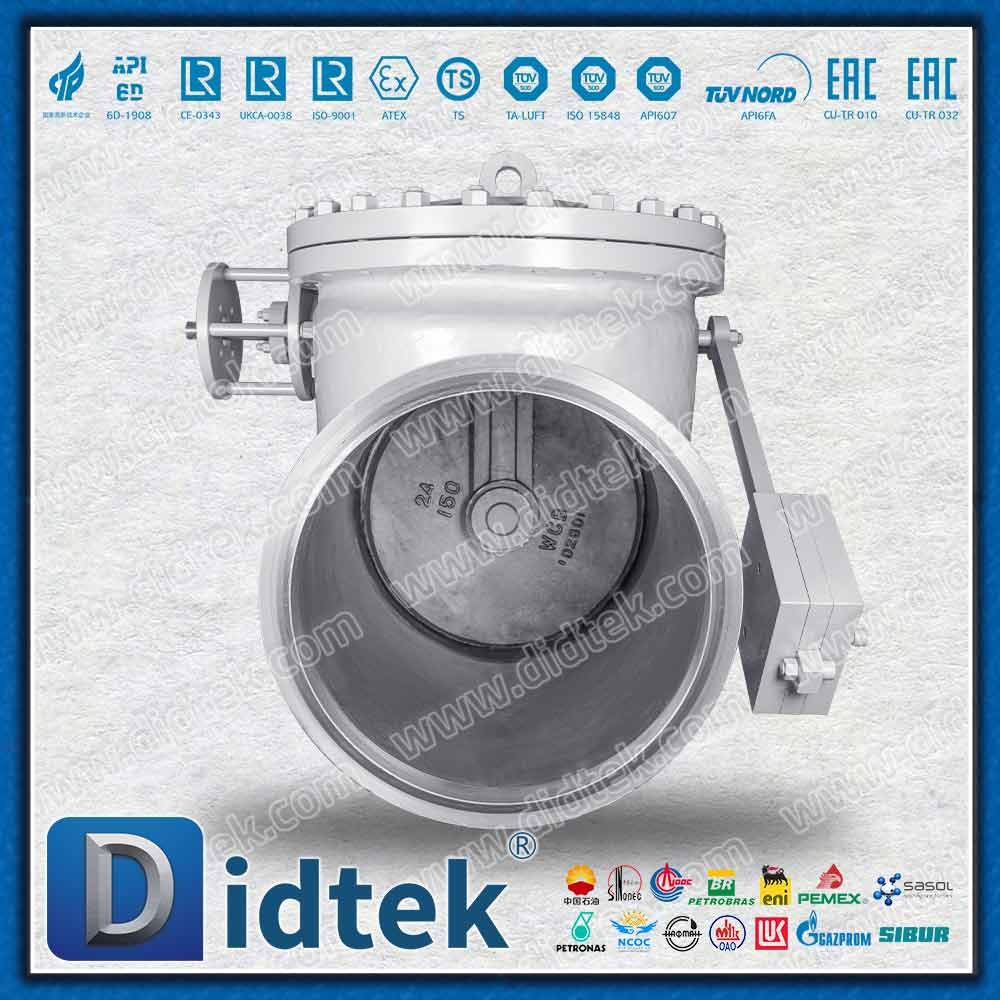
Pick a valve that can handle your system’s pressure and temperature. If your system has high pressure or heat, get a valve made for those limits. Industry rules, like ASME B16.34 and API 6D, help you choose the right ratings. Didtek’s swing check valve is strong against high pressure and heat, so it works well in tough places.
Tip: Use a table to compare important things for high-pressure jobs.
Criteria | Description |
|---|---|
Pressure and Temperature | Choose valves that fit your system’s limits. |
Flow Rate | Pick valves that match how much fluid you need. |
Material Compatibility | Make sure the valve material does not rust or wear out. |
Installation Orientation | Decide if the valve will go up and down or side to side. |
Pick materials that work with the media in your system. Stainless steel does not rust and works with many liquids and gases. PTFE gaskets help protect against chemicals. Didtek has swing check valves in stainless steel and other materials, so you can find what you need.
Component | Material |
|---|---|
Body | Stainless steel 304 |
Disc | Stainless steel 304 |
Gasket | PTFE |
You must put the valve in the right way. If you install it wrong, it may not work and could break. In flat pipes, the hinge should be on top so the disc moves right. Always follow the maker’s instructions for best safety and use.
The right way makes the valve last longer.
The wrong way can be unsafe.
Check your pipe setup before you install.
You need to keep your swing check valve clean and working well. Clean it often to get rid of dirt and stop rust. Lubricate moving parts to stop them from wearing out. Check the valve for damage. Didtek makes its valves easy to clean and fix, so you can take care of them easily.
Clean the valve often.
Lubricate moving parts.
Check for damage or wear.
A swing check valve lets fluid move in only one way. It helps keep the flow going forward and stops it from going back. When fluid moves forward, the disc inside swings open. If fluid tries to go back, the disc shuts. This stops backflow and keeps your system safe.
Note: You can watch how the swing check valve works with different flows.
Flow Direction | Description |
|---|---|
Forward Flow | Fluid pressure pushes the disc open, so fluid moves through. |
Backward Flow | The disc closes from gravity and reverse pressure, so backflow stops. |
This simple part helps stop backflow. The swing check valve does not need extra power or controls. It gives you a safe way to keep fluid moving right in many jobs.
Swing check valves are used in lots of industries. They help protect machines and keep systems working well. In water supply, they stop dirty water from mixing with clean water. In wastewater plants, they block reverse flow to stop contamination. Oil and gas pipes use them to protect pumps and refineries. Power plants use them for cooling and boiler feed lines. Fire systems need them to keep water ready for emergencies.
Tip: You can see where swing check valves are used in this table.
Industry | Common Use Case |
|---|---|
HVAC | Protects pumps and chillers |
Food & Beverage | Keeps fluid clean |
Marine | Handles seawater systems |
Mining | Controls slurry and water flow |
You also find swing check valves in chemical plants and water treatment. These valves help stop backflow and keep fluid moving the right way. People pick them for many jobs because they work well and last a long time.
You find the standard swing check valve in many pipes. This valve has a disc that swings open when fluid moves forward. The disc closes if the fluid tries to go back. People use this valve in water, oil, and gas systems. Didtek makes this valve from cast steel and stainless steel. You can pick the one that fits your system. This valve works well in pipes bigger than two inches. It is best to put it in horizontal pipes, but you can use it in vertical pipes if the fluid goes up.
Note: Standard swing check valves can sometimes cause water hammer.
Valve Type | Advantages | Disadvantages | Best Use Case |
|---|---|---|---|
y pattern swing check valve | Greater flow efficiency, reduced pressure loss | Larger footprint, higher manufacturing cost | High flow rate applications, installation flexibility |
t pattern swing check valve | Compact, easy to install/maintain | Not ideal for high-speed systems, higher pressure loss | Horizontal pipelines with limited space |
You pick a wafer swing check valve when you need a small and light valve. This valve fits between flanges, so it saves space. You can use it in tight places or where weight is important. Didtek’s wafer swing check valves are made from stainless steel, so they do not rust. You can put them in horizontal or vertical pipes. This gives you more ways to install them.
Feature | Wafer Check Valves | Swing Check Valves |
|---|---|---|
Design | Compact and lightweight | Bulkier with pivoting disc mechanism |
Installation Space | Minimal, fits tight or limited spaces | Needs more space due to size and disc |
Installation Orientation | Horizontal, vertical, or angled | Usually horizontal only |
Wafer type check valves are good for small spaces.
Swing check valves are better for bigger open areas.
You use a tilting disc swing check valve for fast-moving fluids. This valve closes quickly and helps stop water hammer. The disc tilts instead of swinging, so it reacts faster. You see these valves in pump lines and emergency shutoff systems. Didtek’s tilting disc valves are small, so they fit in tight spots.
Less water hammer keeps your pipes safe.
Fast closing is good for quick shutdowns.
Small size works on ships and offshore platforms.
You choose a heat jacket swing check valve to keep fluids hot. The heat jacket wraps around the valve and keeps the fluid warm. You use these valves in chemical plants and refineries. They help when fluids can get hard or block the pipe. Didtek’s heat jacket swing check valves are strong for tough jobs.
Tip: Heat jacket valves are good for sticky or thick fluids.
You can look at the table below to compare the main types of swing check valves. This helps you pick the right valve for your job.
Valve Type | Application Suitability | Performance Characteristics |
|---|---|---|
Common in pipelines larger than two inches | Prone to water hammer, less efficient for modern applications | |
wafer swing check valve | Effective in many applications | Compact, minimizes water hammer |
tilting disc swing check valve | More reliable than swing checks | Less efficient than wafer or silent check designs |
y pattern swing check valve | High flow rate, flexible installation | Greater flow efficiency, reduced pressure loss |
t pattern swing check valve | Limited space, horizontal pipelines | Compact, easy to maintain |
You should pick the valve type that matches your system. Didtek has many choices, so you can find the best one for your needs.
You need to know what kind of fluid moves through your system and how fast it flows. The swing check valve works best with clean liquids and gases. If you use thick or dirty fluids, the disc may not close right. Fast-moving fluids can cause the disc to wear out quickly. You should match the valve size to your pipe and flow rate. This helps you get good flow efficiency and keeps your backflow preventer working well. Didtek offers different sizes and materials, so you can pick the right valve for your job.
Choose a valve that fits your fluid type.
Make sure the flow velocity matches the valve’s design.
Pick the right size for your pipe.
You must check the pressure in your system. High pressure needs a strong backflow preventer. The Cv value tells you how much flow passes through the valve. If you pick the wrong size, you can lose flow efficiency or cause leaks. Didtek’s swing check valve handles high pressure and gives you the right Cv for your needs.
Tip: Always check the pressure rating and Cv before you buy a valve.
The way you set up your pipes changes how your backflow preventer works. You should install the valve with the hinge pin at the top. This helps the disc close with gravity. Horizontal installation is best for most systems. If you use vertical pipes, make sure the flow goes up. Never install a swing check valve in a vertical pipe with downward flow. Didtek valves are easy to install in many layouts.
Keep the pipeline straight near the valve.
Avoid putting the valve near bends or pumps.
The speed at which the disc closes matters. A slow-closing backflow preventer can cause water hammer. This is a loud noise and can damage your pipes. Swing check valves close with gravity and backflow. If you need faster closure, choose a valve with a special design. Didtek makes valves that help reduce water hammer in your system.
You must think about where you use the valve. Some jobs need special materials to handle acids or high heat. You also need to follow rules for safety and quality. Didtek’s swing check valve meets industry standards and works in tough places.
Requirement Type | Details |
|---|---|
Functions | Stops contamination and protects pumps |
Typical Configurations | PTFE-lined or stainless steel for harsh chemicals |
Industry Data | Handles fluids from pH 0–14 and high temperatures |
Regulatory Standards | Meets API 594 and ASTM F1545 |
You should always check the rules for your industry before you pick a valve.
Choosing the right swing check valve for your system helps you stop reverse flow and protect your equipment. You can follow these steps to make sure you pick the best option for your needs.
Start by looking at what your system needs. Write down the type of fluid that will move through the valve. Check if the fluid is clean, dirty, thick, or thin. Measure the flow rate and see how fast the fluid moves. Know the highest and lowest pressure and temperature in your system. Think about where you will install the valve and how much space you have. Make a checklist of these needs so you do not miss anything.
Tip: Knowing your system’s details helps you avoid problems with reverse flow and keeps your non-return valve working well.
Pick the valve type that matches your system. Use a swing check valve if you need full flow and low energy loss. This type works well in high-flow systems and large pipes. If you have a small space or need a lighter valve, choose a wafer check valve. For fast-moving fluids, a tilting disc valve may work best. Match the valve size to your pipe. Make sure the valve fits the space and lines up with the flow direction. Always check the flow pattern and valve orientation.
Consider the type of media in your system.
Look at the flow characteristics and how the valve will sit in the pipe.
Check pressure and temperature ratings.
Make sure the valve fits the space you have.
Think about how easy it will be to maintain the valve.
Check that the valve material matches your fluid. Stainless steel works well with many liquids and gases. For harsh chemicals, you may need special linings or gaskets. Make sure the valve can handle your system’s pressure and temperature. Look for valves that meet industry standards like ASME B16.34, API 594, and API 6D. Review the manufacturer guidelines to confirm the valve’s ratings.
Criteria/Standard | Description |
|---|---|
Design Requirements | The disc must align with the seat and have a strong hinge for movement. |
Testing Procedures | Includes shell, seat, and closure tests, plus material checks. |
Industry Standards | ASME B16.34, API 594, API 6D, and more. |
Service Specification | Check fluid type, pressure, temperature, and risk of reverse flow. |
Look at where you will put the valve. Swing check valves need more space because of their moving parts. Make sure you have enough room for installation and future maintenance. Install the valve so the flow goes in one direction, matching the arrow on the valve body. Plan for regular checks, at least once a year, or more often in tough conditions. Clean the valve, inspect for damage, and replace worn parts to stop leaks and reverse flow.
Make sure the valve is easy to reach for cleaning and repairs.
Check that the flow direction matches the valve’s design.
Leave enough straight pipe before and after the valve to prevent turbulence.
Use resources from the valve maker to help you choose. Didtek offers technical support, product catalogs, and detailed documentation. These resources show you the valve’s function, pressure classes, size range, and material types. You can find information about standards like ANSI and API, as well as installation tips. If you have questions, contact Didtek’s support team for help with your selection.
Feature | Description |
|---|---|
Valve Function | Stops reverse flow and keeps fluid moving in one direction. |
Standards | Meets ANSI and API rules for safety and quality. |
Pressure Classes | Covers a wide range, from Class 150 to Class 2500. |
Size Range | Fits pipes from 1/2 inch to 48 inches. |
Material Types | Includes cast steel, stainless steel, and ductile iron. |
Compliance | Follows ASME B16.10 and ASME B16.5 for installation and performance. |
Note: Manufacturer guidelines help you pick the right valve for your industrial systems and make sure you meet all safety rules.
By following these steps, you can select a swing check valve that stops reverse flow, fits your system, and lasts a long time.
When you pick a check valve, you should not make common mistakes. These mistakes can cause trouble in your system. If you pay attention to small things, your equipment stays safe and works well.
You always need to check which way the fluid goes before you put in a swing check valve. These valves only let fluid move one way. If you put the valve in backward, the disc will not open right or may only open a little bit. This can block the fluid and make pressure build up fast. You might hear the valve shake or make noise. The check part might not work, and fluid can go back the wrong way.
Always find the arrow on the valve body. Make sure it points the same way as the fluid in your pipe.
Here are some problems if you do not check the flow direction:
The disc does not open all the way.
Pressure in the system drops more than you want.
The valve makes noise or shakes.
The valve does not stop backflow.
You have to pick a valve material that matches the fluid in your system. If you use the wrong material, the valve can rust or break. This mistake can make your system work worse and not last as long. For example, if you use the wrong trim in a sour-service line, you might have to pay a lot for repairs. Sometimes you do not see the problem until you start using the system.
If you pick the wrong material, you might have to fix the valve more often. This can make your maintenance cost go up by 30% over time. Always check if the valve material is good for your fluid so you do not get rust or extra repairs.
You should think about how you will reach the valve to clean or fix it. If you put the valve in a spot that is too tight, you may not have enough space to work. Not enough room can make the fluid swirl and wear out the valve faster.
Plan to check the valve often and make sure you can get to it easily. Good access helps your system run better.
A good setup lets you:
Clean and check the valve a lot.
Change old parts fast.
Stop extra downtime and save money.
If you do not make these mistakes, your swing check valve will last longer and keep your system safe from damage.
Before you finish picking a valve, check some important things. These steps help you stop mistakes and keep your system safe.
Check how you put in the valve. Make sure the valve sits the right way for your pipe.
Look at your system pressure. Your system pressure should be higher than the valve’s cracking pressure. This makes sure the valve opens and closes when it should.
Pick the right material. The valve material should match the fluid in your system. This helps the valve last longer and work better.
Plan to check and clean the valve often. Make a schedule to look at and oil the valve. This keeps it working well.
Stop water hammer. Use dampers or special valves if your system changes flow fast.
Think about what comes after the valve. Put the valve where it can protect pumps and other important parts from backflow.
Tip: If you check everything now, you can save time and money later.
You can use this checklist to make sure you do not miss anything when you pick a swing check valve:
Did you pick the right valve type for your job?
Did you check the flow direction and how the pipe sits?
Is the valve material good for your fluid?
Does the valve fit your system’s pressure and temperature?
Did you plan for easy cleaning and repairs?
Did you think about ways to stop water hammer?
Did you check if the valve protects pumps and other parts?
Did you look at the maker’s rules and standards?
Step | Why It Matters |
|---|---|
Check orientation | Stops backflow and problems |
Confirm cracking pressure | Makes sure the valve works right |
Select proper material | Helps the valve last longer |
Schedule maintenance | Keeps the valve working well |
Reduce water hammer | Protects pipes and machines |
Inspect downstream needs | Keeps important parts safe |
Remember: If you plan and check everything, you will pick the right swing check valve for your system.
You make your system safer when you choose the right swing check valve for your job. You should always match the valve to your system’s needs. Follow each step in the selection process. Use the checklist to review your choice. If you have questions, ask a manufacturer like Didtek for help. Careful planning gives you confidence and better results.
You use a swing check valve to stop fluid from flowing backward. The check valve opens when fluid moves forward. The disc closes if flow reverses. This action protects pumps and other equipment in your system.
You should match the check valve size to your pipe diameter. Check the flow rate and pressure in your system. A valve that is too small can restrict flow. A valve that is too large may not close properly.
You can install a check valve vertically if the flow moves upward. The valve disc must swing freely. Always follow the manufacturer’s instructions. A check valve will not work right if you install it in a downward flow.
You should inspect your check valve at least once a year. Clean the valve and look for wear or damage. Regular maintenance helps your check valve last longer and work better.
A swing check valve uses a swinging disc to block reverse flow. A lift check valve uses a disc that moves up and down. You pick a swing check valve for larger pipes. You use a lift check valve for smaller, high-pressure systems.
Tip: Always choose the right check valve for your system’s needs.


