+86-18058825678
- All
- Product Name
- Product Keyword
- Product Model
- Product Summary
- Product Description
- Multi Field Search

- Home
- Our Product
- About Didtek
- Solutions
- Exhibition Show
- Support
- News
 English

Views: 0 Author: Site Editor Publish Time: 2026-05-22 Origin: Site


You should use a gate valve selection guide to help you pick the right forged steel gate valve for your project. Choosing the right valve for your project stops mistakes like picking the wrong size or material, or not knowing enough about the valve. Didtek makes strong forged steel gate valves that work well for controlling fluids in factories. Always look at the product details, check the standards, and talk to experts before you decide. Choosing the best gate valve keeps things safe and helps everything work well.
Common mistakes to avoid:
Not using API or ISO rules
Accepting missing valve details
Not checking supplier quality
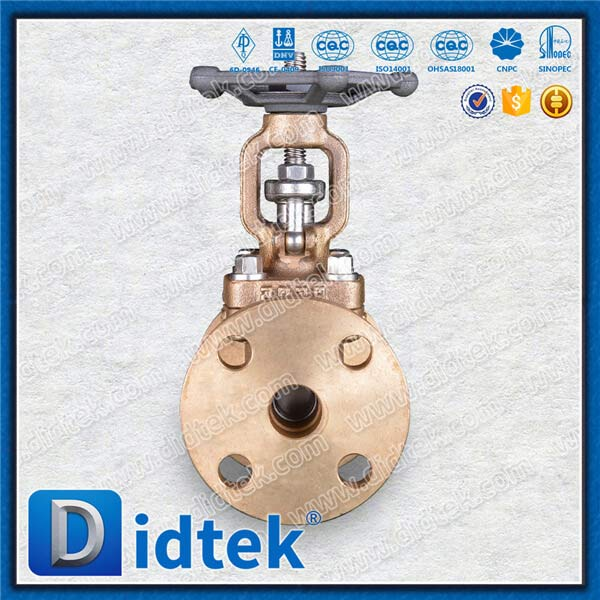
Forged steel gate valves are used when you need strong flow control. The valve body is made by shaping steel with high pressure. This makes the valve tough and able to handle heat and pressure. These valves are used where safety and performance are important.
Some key features include:
The seal is tight, so leaks are less likely.
The solid wedge gate valve design gives extra strength.
Flexible wedge gate valves help with changes in temperature and pressure.
You can pick from different sizes and end connections for your system.
Forged valves last longer and need less fixing.
Forged steel gate valves are used in many industries. Some common uses are:
Oil and Gas Industry: You control flow in drilling, pipelines, and refineries.
Power Generation: You manage steam and cooling water in power plants.
Chemical and Petrochemical Processing: You handle strong chemicals safely.
Water Treatment Facilities: You keep water moving in treatment plants.
Manufacturing and Industrial Processing: You work with high-pressure and high-temperature systems.
Tip: When choosing a forged steel gate valve, check if you need a flexible wedge gate valve for better performance when conditions change.
Forged steel construction has many advantages. Forging makes steel stronger and more reliable than casting. This means the valve can handle tough jobs without breaking. Forged valves resist cracks and leaks.
The main benefits of forging are:
More strength and toughness
Better resistance to impact and pressure
Longer service life
Forged steel gate valves work well in harsh places. Using forged valves means you have a safe and durable product. Many engineers pick flexible wedge gate valves for systems with temperature changes. If you want a valve that lasts and keeps your system safe, forged steel is a smart choice.
First, you need to know how your system works. Each project is different and has its own needs. Some systems move water. Others move chemicals or steam. Forged steel gate valves can be used in many places. They work in city water systems and in factories. You should check the flow rate and pressure in your pipes. If your system has high pressure, forged valves are stronger and safer.
Look at the table below. It shows steps and things to think about when picking a gate valve for your project:
Step | Factor to Consider | Action/Decision |
|---|---|---|
1 | Assess the pressure level | If pressure ≤ PN40 → proceed to step 2; if > PN40 → select forged steel |
2 | Determine the production batch | Single/small batch (<100) → Sand casting; Medium batch (100-500) → metal mold casting; Large batches (>500) → proceed to step 3 |
3 | Analyze the structural complexity | Simple structure → Metal casting; Complex structures → investment casting |
4 | Verify corrosion resistance requirements | Corrosive media (Cl⁻>50ppm) → special casting + HIP treatment; Non-corrosive media → maintain step 3 selection |
Tip: Always pick a valve that matches your system’s pressure and flow. This helps stop leaks and keeps your project safe.
You need to know what fluid goes through your pipes. Some fluids are clean. Others are harsh or can cause damage. Forged steel gate valves work with many fluids. But you should check if your fluid will hurt the valve. For example, water in city pipes does not usually cause corrosion. Chemicals in factories might need special materials.
Ask yourself these questions:
Does the fluid have chlorine or other things that can cause damage?
Is the fluid hot or cold?
Will the fluid change later?
If your fluid is harsh, you may need a forged steel gate valve with extra protection. Always check the material and design before you choose. This helps your system last longer and need less fixing.
Note: Picking the right forged steel gate valve for your fluid helps protect your equipment and saves money over time.
You need to know the pressure in your system before you choose a gate valve. Pressure ratings tell you how much force the valve can handle. If you pick the wrong rating, your system might fail. Most forged steel gate valves follow industry standards for pressure. These standards help you match the right valve to your project.
Here is a table that shows common pressure ratings for forged steel gate valves:
Pressure Rating | PSI (at 20°C) | Bar |
|---|---|---|
Class 150 | 285 | 19.6 |
Class 300 | 740 | 51.1 |
PN10 | N/A | 10 |
PN16 | N/A | 16 |
PN25 | N/A | 25 |
PN40 | N/A | 40 |
You can also see how these ratings compare in the chart below:
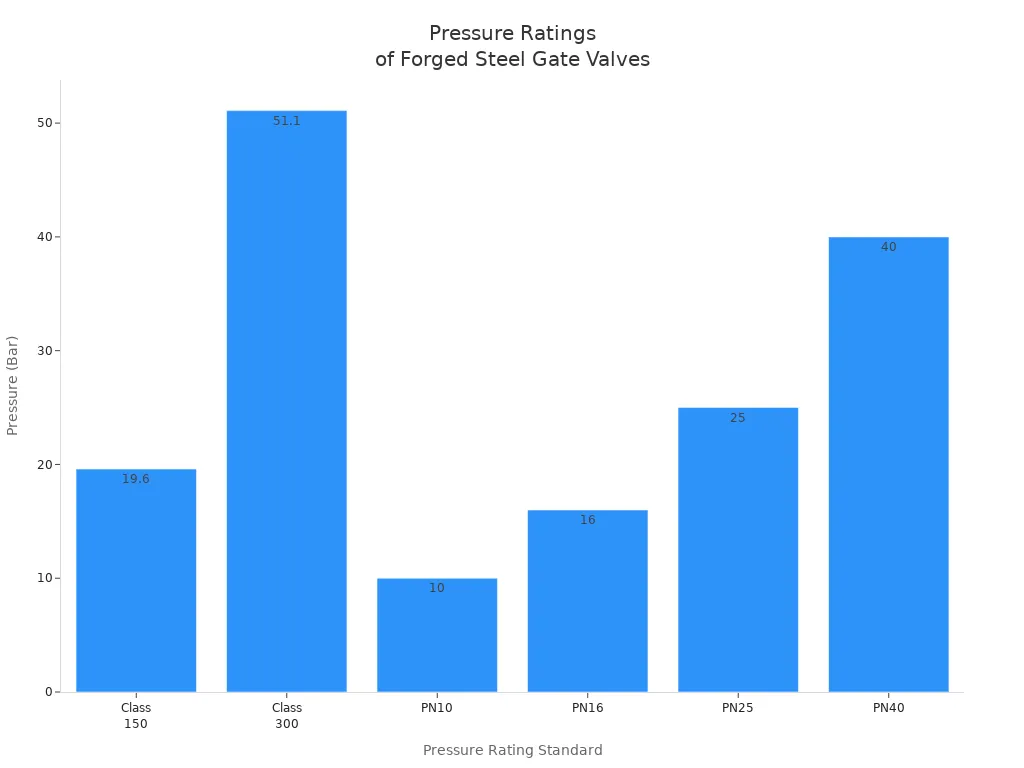
Forged steel gate valves must meet API 602 standards. These rules make sure the valve works well in high-pressure places like wastewater treatment plants. Always check the pressure in your pipes and pick a valve that matches or exceeds that number.
Temperature affects how long your gate valve lasts. High heat can make some valves weak. Forged valves work well in hot and cold places. You need to know the highest and lowest temperatures in your system.
Forged steel gate valves can handle high temperatures and pressures. This makes them reliable for wastewater treatment.
These valves can manage superheated water up to 400°F. You can use them in hot water lines at wastewater treatment plants.
The strong steel body gives extra strength. This helps the valve last longer in tough jobs.
You can trust these valves in high-pressure and high-temperature systems, like those found in wastewater treatment.
If you want your system to run safely, always check both pressure and temperature ratings. This step helps you avoid leaks and keeps your wastewater treatment project running smoothly.
You must pick the right steel grade for your gate valve. The steel you choose affects how well the valve works. It also affects how long the valve lasts. Many industries use forged valves made from different steel types. Carbon steel is strong and costs less. Stainless steel is also common. It does not rust and works in places with harsh chemicals. Alloy steel is stronger and handles high heat. Exotic alloys are used for special jobs. These alloys give even more protection.
Steel Grade | Main Feature | Typical Use |
|---|---|---|
Carbon Steel | High strength, affordable | Water, oil, gas systems |
Stainless Steel | Excellent corrosion resistance | Chemical, food industries |
Alloy Steel | Handles high pressure/heat | Power plants, refineries |
Exotic Alloys | Superior protection | Special chemical processes |
Tip: Always pick a steel grade that fits your project. This helps your forged steel gate valves work better and last longer.
Corrosion can hurt your valve and cause leaks. You need materials that resist corrosion if your system uses harsh fluids. Stainless steel is good at stopping corrosion. It works well in places with corrosive stuff. Coatings and linings give extra protection. They help stop corrosion, erosion, and abrasion. These upgrades help your gate valve last in tough places.
You can use forged valves with special coatings for strong chemicals or salty water. The right material stops early failure and keeps your system safe. In corrosive places, you must pick a forged valve with high corrosion resistance. This protects your equipment and saves money on repairs.
Note: The material of your forged steel gate valves is very important for performance and reliability. Always check your environment and pick the best option for your project.
You have to pick the right size for your gate valve. If you choose the wrong size, your system might not work well. It could waste energy and cost more money. Bad sizing can cause pressure drops. This makes your system less efficient. Always check the flow rate, pressure, and temperature in your pipes. These numbers help you find the best size for your forged steel gate valves.
ANSI gives rules for sizing valves. You can use these rules to match the valve to your project. Engineers look at Cv values. Cv tells how much flow a valve can handle. If you use a valve with the wrong Cv, your system may not work right.
Here are some good sizing steps:
Figure out flow rate, pressure, and temperature before picking a valve.
Use ANSI rules to help with sizing.
Check Cv values so the valve fits your system.
Do not pick valves that are too small or too big. This helps you avoid extra costs.
Tip: The right size valve keeps your system working well. It also saves money over time.
You need to pick the right end connection for your forged valves. The connection type makes it easier to install and fix the valve. Common types are wafer, lug, and flanged connections. Each type has its own features.
Wafer connections are easy and fast to put in.
Lug connections let you remove and replace valves easily.
Flanged connections make strong seals. They are good for high-pressure systems.
If you pick the wrong connection, you might have more maintenance costs. Your system could fail. In-line maintenance valves with quick-release designs help cut down on downtime. When you put in a valve, do not let the handle face downward. This is important for insulated pipes. Always follow design rules for where and how to place the valve. This helps stop leaks.
Note: The right end connection makes installation easier. It also keeps maintenance simple.
You need to know the rules for making and testing forged steel gate valves. API 602 is a main rule for these valves. It tells companies how to make and test each valve. This helps you get a safe valve that lasts a long time.
Here is a table with some important API 602 rules:
Requirement | Description |
|---|---|
Material | ASTM A105N |
Pressure Rating | 1500 LB |
End Connection | BW END |
You should also check other rules. Forged valves must follow rules from groups like ASME, ANSI, and MSS. These groups give more rules for making and testing valves. When you pick a valve, see if it passed tests like hydrostatic shell testing, seat testing, and backseat testing. These tests show the valve can handle pressure and keep your system safe.
Tip: Always check for these rules before you buy a valve. This helps you avoid problems and keeps your project working well.
Certifications are important when you pick a valve for your project. They show the company cares about safety, quality, and the environment. You want a valve that meets these high standards.
Here are some reasons why certifications matter:
Certifications show the valve meets safety and reliability rules.
They help you trust the product and the company.
Some jobs need certified valves to follow the rules.
Common certifications are API monogramming and ISO 9001. These show the gate valve passed many checks before you get it. When you see these marks, you know the valve is ready for hard jobs.
Note: Always ask for proof of certification. This step keeps your project safe and helps you follow the rules.
You have to take care of your gate valve to keep your system working well. Doing regular maintenance helps you find problems early. This keeps your equipment running without trouble. Check your valve often for damage, rust, or signs of wear. Cleaning and flushing the valve gets rid of dirt and stuff that can block it. Lubricating the moving parts makes the valve easier to use. You should look at gaskets and seals and change them if needed. This stops leaks and keeps the valve tight. Take care of the actuator by following the maker’s instructions. Test the valve in different ways to make sure it works right.
Here are some usual maintenance jobs for forged steel gate valves:
Look at the valve often for rust or damage.
Put lubricant on the moving parts.
Clean and flush the valve to remove dirt.
Check and change gaskets and seals when needed.
Take care of actuators as the instructions say.
Test the valve to see if it works well.
Sometimes you might see leaks, hard-to-move parts, or the valve not closing right. Cleaning and putting oil on the valve stem can help if it is hard to move. If the valve does not close right, check if the gate is lined up. Looking for rust and using protective coatings helps keep your valve safe.
Tip: Taking care of your valve helps it last longer and saves money on repairs.
You want your forged valves to work for a long time. Doing regular checks is the best way to make this happen. Lubricating and cleaning the valve keeps it working well. Watching the seals helps stop leaks and makes your equipment last longer. If you follow the maker’s rules, your valve will work its best.
Good care helps forged steel gate valves stay strong in tough places. Picking the right valve and keeping up with care helps it last longer and work better. This protects your money and keeps your system safe.
Note: Your valve will work better and last longer if you take care of it and pay attention to small details.
You want a forged steel gate valve that works well and lasts long. Start by looking at how good each valve is and if the company is trusted. Good companies follow rules and use strong materials. You can read reviews and check if they have certifications. You can also look at how long the company has been around. Didtek’s Forged Gate Valve is a good example of a strong product. Many engineers use it for city water and factories because it meets high standards.
You can use a table to see how different valves compare:
Criteria | Forged Steel Valves | Cast Steel Valves |
|---|---|---|
Performance Under Pressure | Superior in extreme conditions | Moderate performance |
Size and Complexity | Best for small to medium sizes | Ideal for large sizes |
Cost and Lead Time | Higher upfront costs, shorter lead time | Lower initial costs, longer lead time |
When you look at your choices, pick valves that work well under pressure and have a good history. You should also see if the company makes valves for city water projects. This means they know what different jobs need.
You need to think about saving money when you pick a forged steel gate valve. More people want these valves because they help save money and use less stuff. Many buyers want valves that are safe and do not cost too much. For example, the ANSI Class 150 Manual Stainless Steel Flanged Gate Valve is popular because it does not rust and works well.
Do not just look at the price. Think about the help and service you get from the company. Good companies give you technical help and can make special valves for you. They help you pick the right materials. They also give you 3D models and detailed sheets. This makes it easier to plan and put in your system.
After you buy a valve, you want to know you can get help if you need it. The best companies give you a warranty, spare parts, and tips for fixing your valve. This help makes your valve last longer and keeps your system working.
Tip: Always check the product details before you choose. This helps you see what makes each valve special and pick the best one for your job.
Here are some reasons why checking details is important:
You learn what is special about each forged steel gate valve.
You can pick the right valve for your project.
You make sure your system works well and does not break.
You should also talk to experts before you decide. They can help you find the best valve for your project. If you pick a company like Didtek, you get good help and strong valves for city water or factory systems.
You can pick the right gate valve by following some easy steps. First, make sure the valve fits what your project needs. This helps keep things safe and makes your system work better. You will not have problems like pressure drops or bad control. Look at the raw materials, how the valve controls flow, and how it works in your system. Check if it has the right certifications and see how much it costs. Ask experts if you need help. Didtek has strong gate valves you can count on.
Right now, companies want valves that are better for the planet, use smart technology, and can be made special for each job.
Trend | Description |
|---|---|
Sustainability Focus | Valves that last in tough places and help lower pollution. |
Smart Valve Technologies | Use IoT and machines to watch and control valves all the time. |
Custom Solutions | Valves made to fit what your system needs. |
Pick the best valve and your system will stay strong.
You use a forged steel gate valve to control the flow of liquids or gases in pipelines. It works well in places that need strong and reliable shut-off, like factories, water plants, and oil refineries.
You check the flow rate and pressure in your system. You match these numbers to the valve size. This helps your system work better and stops leaks.
You pick the right material to make sure your valve lasts longer. The material protects against rust and damage from harsh fluids. This keeps your system safe and reduces repairs.
You should check and clean your valve regularly. Look for signs of wear or rust. Lubricate moving parts and replace seals when needed. This keeps your valve working well.
You should look for certifications like API and ISO. These show the valve meets safety and quality standards. Certified valves help you trust the product and follow industry rules.


