+86-18058825678
- All
- Product Name
- Product Keyword
- Product Model
- Product Summary
- Product Description
- Multi Field Search

- Home
- Our Product
- About Didtek
- Solutions
- Exhibition Show
- Support
- News
 English

Views: 0 Author: Site Editor Publish Time: 2026-05-17 Origin: Site


You can install a handwheel gate valve safely by following rules like ASME and API. Use the correct tools and check if your DIDTEK Flanged RF model fits. Prepare carefully and work step by step with the handwheel. This keeps your system working well. After you finish, check everything to stop problems and make sure it works right. Always put safety, accuracy, and the right fit first.
Begin by checking the handwheel gate valve and the pipeline. Look for rust, dents, or cracks on the valve and handwheel. Move the stem to see if it works smoothly and is in the right spot. If you find damage, do not use the valve. Check the pipeline for rust, dirt, or leftover welding pieces. Clean out anything inside the pipe. This helps stop damage and makes sure the gate seals tightly.
Tip: Leave the protective covers on the flange faces until you are ready to put in the valve. This keeps them from getting scratched or damaged, which can cause leaks.
Before you start, make sure the valve fits your system. The DIDTEK Flanged RF Handwheel Gate Valve follows ASME B16.34, API 600, and ASME B16.10 rules. Check the pressure rating, size, and flange type. Make sure the valve and pipeline are made of materials that work together. If you skip this, you could get rust, cracks, or expensive problems. The table below shows what can happen if you do not check compatibility:
Consequence | Description |
|---|---|
Corrosion | Materials break down from not matching, which can cause leaks. |
Stress Cracking | Cracks form in the material under stress, which can hurt the system. |
Costly Failures | You may lose money from sudden breakdowns and repairs. |
It is important to keep everything clean. Use a brush and rags with cleaner to wipe the flange surfaces and pipe ends. Take off all dirt, oil, rust, and trash. Look at the flange faces for scratches or bumps. Use a straight edge to see if they are flat. Only take off the covers right before you install the valve. Make sure you have enough room to use the handwheel and to do maintenance. For big valves, use supports to hold them steady while you work.
Note: Always put the gate valve on a horizontal pipeline with the stem pointing up. This makes the handwheel easier to use and take care of.
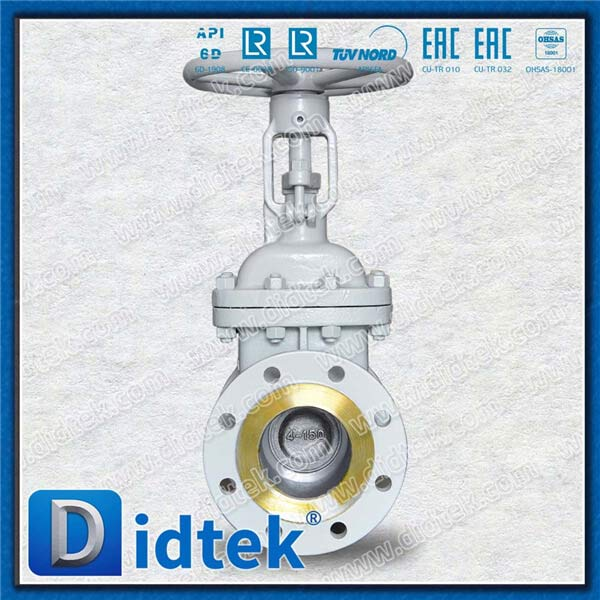
You need to start your gate valve installation by aligning the flanges and positioning the valve correctly. This step helps you avoid leaks and mechanical problems later. Follow these steps for the best results:
Check the gap between the two pipe flanges. Make sure it is even all around. The space should match the length of the valve plus the thickness of two uncompressed gaskets.
Place a straight edge across the top and sides of the flanges. This helps you check if the centerlines of the pipes match.
Rotate the flanges so the bolt holes line up perfectly. You should be able to insert bolts easily without using force.
You should always support the valve during this process. The DIDTEK Flanged RF Handwheel Gate Valve has a bolted bonnet and a pressure seal. These features make the valve strong and reliable, but you must handle it with care. Never use welding near the valve during installation. Heat can damage the seals and the body.
Tip: Keep the valve in the closed position while you align it. This protects the gate and the seat from dirt and damage.
Gaskets help you create a tight seal between the flanges. You must choose the right gasket and install it carefully. Here are the steps you should follow:
Clean and inspect the flange surfaces. Remove any dirt, oil, or rust before you start.
Pick a gasket that matches the materials and pressure of your system. The gasket must fit the size of your DIDTEK valve.
Place the gasket between the flanges. Make sure it sits flat and does not move out of place.
Align the flanges again to avoid uneven pressure on the gasket.
Use a calibrated torque wrench to tighten the bolts. Follow the pattern recommended by the manufacturer. This helps you get even pressure and a good seal.
Apply anti-seize compound to the bolt threads. This makes future maintenance easier and prevents bolts from sticking.
After you finish, check for leaks and inspect the gasket and bolts regularly.
Note: You can add flange guards for extra protection against leaks and damage.
Proper bolting is a key part of gate valve installation. If you do not tighten the bolts correctly, you can cause leaks or damage the valve. Follow these steps:
Insert the bolts by hand at first. Make sure all bolts fit easily through the holes.
Tighten the bolts in a crisscross pattern. This helps you spread the pressure evenly.
Use a torque wrench to tighten each bolt to the value given by the manufacturer. Do not guess the torque.
Check the bolts again after a short time. Sometimes, bolts loosen as the gasket settles.
Never use power tools for final tightening. You can over-tighten and damage the flanges or the gasket.
The DIDTEK Flanged RF connection is designed for easy and secure bolting. Always follow the recommended torque values for your valve size.
The handwheel lets you open and close the gate valve safely. You must attach it the right way to avoid problems. Here is what you should do:
Place the handwheel on the valve stem. Make sure it fits snugly.
Tighten the handwheel nut by hand, then use a wrench for a final turn. Do not over-tighten.
If you need a handle extension for hard-to-reach places, use only the accessories made for your valve. DIDTEK offers handle extensions and gear operators for special needs.
Do not use tools like F-Keys or pipes to turn the handwheel. These can cause too much force and damage the stem or threads.
If the handwheel feels hard to turn, check for rust or lack of grease. Fix the root problem instead of using more force.
Tip: Gear operators can help you turn large valves with less effort. Ask DIDTEK about these options if you need them.
After you finish the main installation steps, you need to make final adjustments. This ensures your handwheel gate valve works smoothly and safely.
Turn the handwheel to open and close the valve fully. Check that the movement is smooth and the gate seats properly.
Look at the stem. It should move up and down without bending or sticking.
If your system uses a gate valve key, use it as directed. The key helps you operate the valve in tight spaces.
Make sure all bolts and nuts are tight. Check for leaks around the flanges and bonnet.
Write down the installation steps and any special notes. Good records help you with future maintenance.
You have now completed the main gate valve installation steps. Careful work at each stage helps your valve last longer and work better.
You need to line up the valve and pipeline flanges very well. If you do not, leaks can happen or the stem might break. When things are not lined up, the handwheel can be hard to turn. If the flanges do not match, the gate might not close all the way. This can cause leaks inside or outside the valve. The table below shows what can go wrong if you do not line up the valve and flanges:
Mistake | Consequence |
|---|---|
Valve and Pipeline Flange Misalignment | Internal leakage, external leaks, stem binding, stem fracture |
Improper Pipe Support Near the Valve | Internal leakage, fatigue cracks, possible valve replacement |
You have to tighten bolts in the right order and with the right force. If you do not, the gasket might not seal. Loose bolts can make leaks at the flange. If you make the bolts too tight, you can hurt the valve body. Always use a torque wrench and check the bolts after you finish. Check the bolts often to keep the gate valve safe and working. If you skip this, you could get leaks or even break the flange.
Tip: Tighten bolts in a crisscross pattern so the pressure is even.
You should always clean the valve and pipeline before you put them in. Dirt, rust, or trash can hurt the sealing surfaces. If you do not check the parts, you might miss cracks, bent stems, or missing pieces. These problems can cause leaks or make the handwheel hard to use. Always look for shipping damage and make sure all parts fit your system.
Look at valves for shipping damage.
Check for bent stems or cracked parts.
Make sure all bolts and the handwheel are there.
Picking the right gasket is very important. If you use the wrong one, you can get leaks or the gasket might blow out. The gasket must match the pressure and heat of your system. The table below shows what can happen if you use the wrong gasket:
Issue | Description |
|---|---|
Gasket Blowout | Sudden failure, releasing pressurized media at the flange |
Leakage | Improper sealing at the flange joint |
Performance | Flange load, pressure, and temperature affect gasket choice |
You must always follow safety rules when you install the valve. Wear gloves and eye protection. Use the right tools for the handwheel and valve. Never use tools that are not made for the job or skip steps. If you do not install things right, you can get leaks, injuries, or repairs that cost a lot. Take your time and check your work to keep the gate and handwheel safe.
Note: Careful work and paying attention help you avoid mistakes and keep your handwheel gate valve working well.
After you finish the installation, you need to test the handwheel gate valve for leaks and proper function. Start by placing the valve in a test rig and connecting a pressure source and gauge to the inlet. Make sure the valve is fully closed and seated. For shell tests, close all ports and pressurize the body. You should follow industry standards like ISO 5208 and API 6D. These rules tell you how to test, what counts as a leak, and how long to hold pressure.
Here is a table that shows common test methods:
Test Method | Procedure | When to Use |
|---|---|---|
Standard Gate Valve Test | Open gate, pressurize, close gate, check for leaks | General sealing performance |
Middle-Pressure Test | Fill valve cover, check both sides for sealing | For valves DN32mm and above |
Blind Plate Test | Open gate, pressurize, close gate, check sealing | To check sealing surface after pressurization |
If you find a leak, follow these steps:
Run a shell test by opening the valve a little and pressurizing it to 1.5 times the maximum pressure. Look for leaks at the body and bonnet.
Close the valve and do a seat test at 1.1 times the maximum pressure. Check both seats for leaks.
If leaks continue, retighten the bonnet and packing gland bolts. If needed, clean and replace the packing or gaskets.
Tip: For small leaks, use water and watch for drops. For hard-to-find leaks, use sound or special gas sniffers.
You must check the handwheel after installation. Turn the handwheel to open and close the gate valve several times. The movement should feel smooth and easy. If you notice any sticking or rough spots, stop and check for dirt or damage. Make sure the handwheel is tight and does not wobble.
For rising stem valves, look at the stem as you turn the handwheel. The stem should move up when you open the valve and down when you close it. This helps you see if the valve is open or closed. If the handwheel does not turn well, clean the seat, adjust the packing gland, or replace worn parts. For large valves, you can use a gear operator to make turning easier.
Write down all the steps you took during installation and testing. Good records help you with future repairs and show that you followed safety rules. Note the test results, any leaks, and how you fixed them. Keep a log of when you check or service the valve.
Here are some maintenance recommendations:
Inspect the handwheel and stem often for rust or wear.
Lubricate moving parts if needed.
Check the bolts and packing gland for tightness.
Clean the valve area to keep dirt away.
Use only the right tools for the handwheel and gate valve.
Note: Regular checks and good records help your handwheel gate valve last longer and work better.
You can put in a DIDTEK Flanged RF Handwheel Gate Valve safely if you follow these steps: First, look at the valve and pipeline before you begin. Next, line up the flanges and pick the correct gasket. Then, tighten the bolts in a star shape. After that, check for leaks and see if the handwheel moves well.
Maintenance Activity | Frequency |
|---|---|
Visual inspection | monthly |
Packing inspection | every 3 months |
Seat inspection | yearly |
If the job is hard, ask an expert or call DIDTEK support for help.
You should match the valve size to your pipeline. Check the pipe diameter and pressure rating. Use the DIDTEK Flanged RF Handwheel Gate Valve size chart for help.
You should install the valve with the stem pointing up. This makes the handwheel easy to use and keeps the valve working well.
Torque wrench
Wrenches for bolts and nuts
Cleaning brush and rags
Gasket and anti-seize compound
Inspection Type | How Often |
|---|---|
Visual check | Every month |
Packing check | Every 3 months |
Full inspection | Once a year |
You should stop and check for dirt, rust, or bent parts. Clean and lubricate the stem. Do not use extra force or tools.


