+86-18058825678
- All
- Product Name
- Product Keyword
- Product Model
- Product Summary
- Product Description
- Multi Field Search

- Home
- Our Product
- About Didtek
- Solutions
- Exhibition Show
- Support
- News
 English

Views: 0 Author: Site Editor Publish Time: 2026-05-27 Origin: Site


Choosing the right knife gate valve starts with knowing your job. You must pick a valve that fits your process. Think about what flows through the valve. Check the pressure and size you need. Also, think about how often you will fix the valve. Didtek’s valves work well for hard tasks. Look at the table below to see key things to think about:
Factor | Why It Matters |
|---|---|
Application Suitability | Works for your media and process |
Actuation Requirement | Fits manual or automatic use |
Maintenance and Accessibility | Makes checking and fixing easy |
A knife gate valve is a kind of valve that helps control thick or chunky fluids. Experts, like the American Society of Mechanical Engineers, say it has a thin, sharp gate. This gate can slice through heavy slurries or solids. You see this valve where you need to stop or start fluids with lots of solid bits. The main job of a knife gate valve is to give strong on-off control, even when the fluid is hard to move.
Didtek makes its knife gate valves for tough jobs. You can count on these valves in systems with rough, rusty, or thick stuff. The strong build and smart design make Didtek’s valves a good pick for hard work.
It helps to know what makes a knife gate valve special. The table below lists the main features:
Key Feature | Description |
|---|---|
Heavy-Duty Design | Handles abrasive and high-viscosity fluids with ease. |
Full Bore Flow | Lets fluids move freely with little pressure drop. |
Zero Leakage | Uses resilient seats for tight sealing. |
Corrosion Resistance | Made with strong materials to last in harsh environments. |
These features help the valve work well, even when the job is hard.
Knife gate valves are used in many fields. You find them where fluids are thick, dirty, or tricky to control. Here is a table that shows where you might use a knife gate valve and what it handles:
Industry | Media Types |
|---|---|
Water and Sewage Treatment | Wastewater |
Paper and Pulp | Viscous liquids |
Oil and Gas | Abrasive slurry |
Chemicals | Corrosive substances |
Cement Plants | Heavy liquids |
Mining | Slurry media |
If you work in these fields, you will see how a knife gate valve can help your process run better and smoother.
You use a knife gate valve by moving a sharp blade up or down. The blade cuts through thick slurries and solids. This makes it easy to start or stop flow. Globe valves use a disk to control flow. Ball valves use a sphere that turns to open or close. Knife gate valves use a blade to cut tough materials. They work best in low-pressure systems. These systems have fluids with solid bits. Knife gate valves give good isolation. But they are not made for high-pressure sealing like globe or ball valves.
Tip: Knife gate valves work well with wastewater, mining slurry, or pulp. The blade keeps the valve from clogging. It also makes maintenance easier.
It is important to know the main parts of a knife gate valve. Each part helps the valve last longer and work better.
Design Element | Contribution to Performance |
|---|---|
Make the valve tough and resist corrosion. | |
Special Coatings | Protect the valve from acids and rough materials. |
Lined Valves | Give extra protection from corrosion and abrasion. |
Tight Seal | Stop leaks and keep flow under control. |
Stainless steel resists rust and keeps the valve strong.
Urethane linings protect the inside from rough slurries.
Duplex alloys handle stress and chemical exposure.
Elastomer sleeves help seal and stop leaks.
Some valves do not need packing, so maintenance is easier.
These features help the valve last longer and work well. Didtek uses these features to make reliable valves for tough jobs.
It is important to know how valves seal. Unidirectional valves only seal one way. If the flow goes backward, leaks can happen. Bidirectional valves seal both ways. They use two seats to stop leaks. This works even if pressure changes or flow reverses. Engineers pick bidirectional valves if backflow might happen. Here are the main differences:
Unidirectional valves seal in one direction. They can leak if flow reverses.
Bidirectional valves seal both directions. They work when pressure changes.
Unidirectional valves have one seat. Bidirectional valves have two seats for better sealing.
Tip: If your system has pressure changes or backflow, use a bidirectional valve. It will work better and stop leaks.
There are different ways to connect a knife gate valve. Each type changes how you install and fix the valve. Check the table below to see the features:
Feature | Wafer Connection | Lug Connection | Flange Connection |
|---|---|---|---|
Installation | Goes between flanges. Needs long bolts. It can be hard to line up. | Threaded lugs help with alignment. Short bolts are easier to use. | Bolts on like pipe fittings. It can be heavy to lift. |
Maintenance | You cannot close off the pipeline. You must drain the line to take out the valve. | You can remove pipes downstream. The upstream side stays closed. | You can take out spool pieces easily. Maintenance is simple. |
Wafer connections are quick but do not let you close the pipeline. Lug connections help line up the valve and let you work on pipes after the valve. Flange connections are easy to bolt but can be heavy to move.
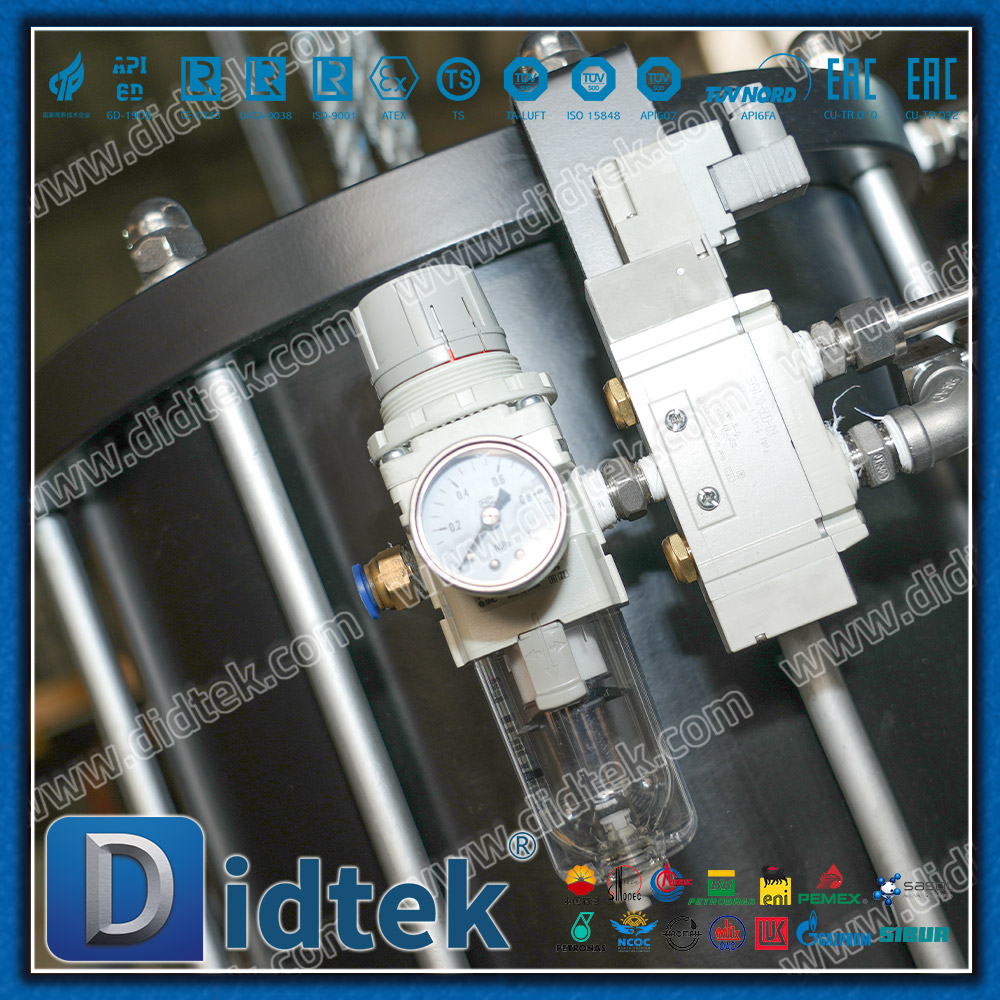
You can open or close a knife gate valve by hand or with machines. Manual actuation uses a handwheel or lever. You turn or pull to move the valve. Automated actuation uses air or electricity to move the gate. Automated valves are good for fast or far-away control. They save time and work. Manual valves are best for simple jobs or when you do not need machines.
Note: Automated actuation makes big or tricky systems safer and faster. Manual actuation lets you control small setups directly.
You need to know what flows through your system before you choose a valve. Some fluids move easily. Others, like slurry or wastewater, have thick solids or chemicals that can wear out equipment. If you handle abrasive or corrosive media, you want a valve that can last. Didtek designs its valves to work with tough materials. You can trust these valves to handle sand, grit, or chemicals without breaking down.
Think about how fast the fluid moves. High flow can push solids against the valve. This can cause damage if the valve is not strong. You should also check if the flow goes in one direction or both. Some systems need a valve that seals both ways. Didtek offers both unidirectional and bidirectional options. This helps you match the valve to your process.
Tip: Always match the valve material to the fluid. Stainless steel works well for rust and chemicals. Urethane linings protect against abrasion.
You see knife gate valves in many industries. Each field has its own challenges. Here are some common examples:
Mining and Mineral Processing: You move slurry and thick mixtures. These can wear out weak valves. Didtek valves stand up to these tough jobs.
Wastewater: You deal with dirty water and solids. A strong valve keeps your system running and stops leaks.
Pulp & Paper: You handle fibrous liquids. These can clog other valves. Knife gate valves cut through and keep things flowing.
Didtek’s products work well in these demanding places. You get reliable performance, even when the job is hard. You can count on these valves for safety and long life.
Picking the right knife gate valve is a step-by-step process. You need to match the valve’s features to your job. Use this checklist to help you choose:
Step | Description |
|---|---|
Material Compatibility | Pick materials that fight rust and wear. Choose based on what flows in your pipes. |
Size and Pressure Rating | Make sure the valve fits your pipe size. Check if it can handle the pressure. |
Actuation Type | Decide if you want to open the valve by hand or use machines. Think about your budget. |
Temperature Range | Look at how hot your system gets. Pick seals and materials that can handle the heat. |
Installation Environment | Think about space, how easy it is to fix, and where you install it. |
Start by checking what goes through your pipes. The media can be rough, can eat away metal, or can be very hot. This affects which valve you pick. Use the table to match the media with the best valve material:
Media Type | Recommended Valve Material | Notes |
|---|---|---|
Abrasive Media | Hardened stainless steel, Urethane-lined | Good for slurry or solids. Stops damage and helps the valve last. |
Corrosive Environments | 316 stainless steel, Hastelloy, Titanium | Handles strong chemicals and low pH. |
Temperature Considerations | Various materials based on temperature | Pick gaskets and linings for your heat range. |
Tip: Didtek has one-piece and two-piece body designs. They use special linings and alloys. These are good for tough jobs with rough or strong media.
Check the pressure and heat in your system. You need a valve that can handle both. Look at the highest pressure and temperature your pipes will have. Make sure the valve’s rating is high enough. If you pick the wrong rating, the valve can break early.
High pressure needs a strong body and tight seals.
High heat needs special gaskets and linings.
Always check the maker’s data sheet for limits.
Pick a valve that matches your pipe size. The valve should fit the pipe so flow is smooth. Engineers look at how fast the media wears out metal. They also check how often the valve opens and closes. For rough media, you may need titanium or other strong materials.
Check the media for rust and wear.
Pick a valve size that fits your pipe.
Choose materials that last in your system.
In mining or chemical plants, special designs may work better.
Didtek has many sizes and materials. You can find a valve that fits your needs.
Decide how you want to open and close the valve. Manual actuation is good for small pipes or when you do not open the valve often. Pneumatic actuation is fast and reliable. It works well where you cannot use electric power. Electric actuation gives you good control. It is best for automated systems. Hydraulic actuation is strong and works for heavy jobs.
Note: Didtek has manual, pneumatic, and electric actuation options. You can pick double-acting or single-action pneumatic actuators for more control.
Plan for easy checks and smooth setup. Regular inspections help you find leaks, wear, or rust early. Adjust the packing every month to keep a good seal. Lubricate moving parts every three months. Check connections every six months. Clean the valve after each cycle to get rid of debris.
Maintenance Task | Frequency | Purpose |
|---|---|---|
Packing Adjustment | Monthly | Stop leaks and keep the seal strong |
Lubrication | Quarterly | Cut friction and protect parts |
Connection Checks | Every 6 months | Keep things tight and stop shaking |
Cleaning | After each cycle | Remove debris and stop blockages |
When you set up the valve, watch for common problems:
High torque can bend the stem. Use a stem-to-gate clevis to stop extra movement.
Pneumatic actuators need enough air. Check your air supply.
Hard debris can jam the valve. Clean it often.
Rough media can wear parts. Pick hard-faced sealing parts.
Make sure you pick the right valve for your job.
Tip: Good care and the right setup help your knife gate valve last longer and work better.
When you select a knife gate valve, you want to avoid common mistakes. These mistakes can lead to leaks, downtime, or high costs. Knowing what to watch for helps you make better choices and keeps your system running smoothly.
You must match the valve to your job. Many people forget to check all the details of their application. This can cause problems later. Here are some issues you might face:
If you pick the wrong size, your system may not work well. You might need to fix or replace the valve more often.
If you ignore changes in temperature or pressure, the valve can fail early.
If you choose the wrong material, the valve may rust or break down.
You should also think about these frequent mistakes:
Underrating pressure can cause the seal to fail quickly.
Ignoring actuation needs makes large valves hard to operate. This can slow down your work.
Picking the wrong material for abrasive slurry leads to fast wear and high replacement costs.
Forgetting about maintenance access makes it hard to service the valve or actuator.
Tip: Always check your system’s needs before you choose a valve. This helps you avoid costly errors.
You need to plan for regular maintenance. If you skip this step, you may face bigger problems later. The table below shows what can happen if you ignore maintenance:
Issue | Description |
|---|---|
Downtime Impact | Valve failures can cause up to 120 hours of downtime each year. Over 40% come from poor selection or material mismatch. |
Lifecycle Cost | The price you pay at first is only 15-25% of the total cost. Most costs come from maintenance and downtime. |
Maintenance Issues | Skipping maintenance can cause high torque, actuation problems, jamming, and seal erosion. Repairs get expensive fast. |
You save time and money when you keep up with maintenance. You also help your valve last longer and work better.
You need to pick valve features that fit your job. Some materials and designs work better for certain fluids, pressures, or heat. Choosing the right valve helps it last longer and stop leaks. It also makes the valve more reliable.
Know what kind of fluid you have and how it moves.
Plan to check and fix the valve often.
Think about using machines to open and close the valve faster.
Feature | Knife Gate Valve | Gate Valve |
|---|---|---|
Best Use | Thick fluids and solids | Clean liquids |
Sealing | Good for solids | Best for gases |
If your job is tricky, ask Didtek or a valve expert for help. Their tips can help you pick a safe and strong valve.
You use a knife gate valve for thick or solid-filled fluids. The sharp blade cuts through tough media. Other valves, like ball or globe valves, work best with clean liquids or gases.
You match the valve material to your fluid. For corrosive chemicals, pick stainless steel or special alloys. For abrasive slurries, choose hardened or lined valves. Always check your process needs first.
Yes, you can. Didtek offers manual, pneumatic, and electric actuation. You pick the best option for your system. Automation helps you control valves from a distance or in hard-to-reach places.
You should check your valve every month. Lubricate moving parts every three months. Clean the valve after each use if you handle thick or dirty fluids. Regular care helps your valve last longer.
You can use Didtek knife gate valves in mining, wastewater, pulp and paper, and chemical plants. These valves handle tough jobs with thick, abrasive, or corrosive media.


