+86-18058825678
- All
- Product Name
- Product Keyword
- Product Model
- Product Summary
- Product Description
- Multi Field Search

- Home
- Our Product
- About Didtek
- Solutions
- Exhibition Show
- Support
- News
 English

Views: 0 Author: Site Editor Publish Time: 2026-06-14 Origin: Site


You can find worn gate valve parts and functions by checking for these signs:
Leaks that keep going
Handles that are hard to move
Rust, cracks, or other damage you can see
Strange sounds when you use the valve
Valves that do not work right
If you see these problems, act fast to save money. Quick fixes help your facility work well. Regular checks help you find problems early. This stops surprise breaks and keeps your system safe. Good gate valve parts can lower costs and make your equipment last longer. Didtek’s promise of quality means you can trust your valves to work well.
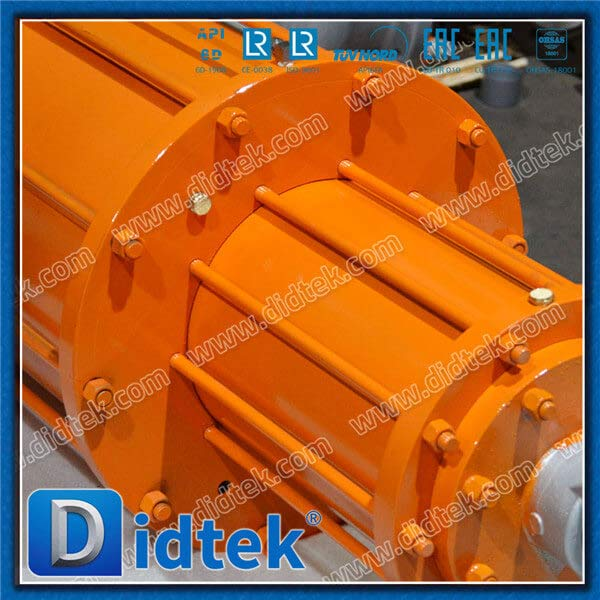
Didtek makes many gate valves for different industries. You can see these valves in oil and gas plants. They are also used in water treatment places. Pharmaceutical factories use them too. Marine jobs need gate valves as well. Each gate valve is made to handle tough jobs. They work well even when conditions are hard. The gear mechanism in Didtek gate valves helps parts last longer. It lets you control the valve exactly. This is important when pressure is high.
You should know the main parts to understand how gate valves work. Here is a table that lists the main parts and what they do:
Component | Description |
|---|---|
Body | The main part, made from strong metal like cast or forged alloy steel. |
Bonnet | Makes a tight seal, bolted to the body. |
Gate | Goes up and down to control how fluid moves. |
Stem | Links the gate to the control part, moves the gate. |
Actuator | Runs the valve, can be manual (handwheel) or automatic (electric, pneumatic, hydraulic). |
Seat | Sealing surface for the gate, keeps things tight when closed. |
Packing | Seals around the stem so nothing leaks out. |
Packing Gland | Pushes the packing down for a good seal. |
Bonnet Gasket | Seals between the body and bonnet. |
Yoke | Holds the stem and actuator in some designs. |
Backseat | Lets you change stem packing while under pressure. |
You need to know what each gate valve part does to keep your system safe. Every part has its own job:
The body holds all the inside parts and must be strong.
The bonnet covers the body hole and stops leaks.
The gate closes the valve and needs to fit just right.
The seat gives a place for the gate to seal and must last in tough places.
The stem links the actuator to the gate and moves it up and down.
The actuator turns the stem to open or close the valve.
Packing stops fluid from leaking along the stem.
The packing gland pushes the packing to keep leaks away.
The bonnet gasket makes sure the body and bonnet seal tightly.
These parts must work well together. If one fails, you might get leaks or lose control of flow. This can cause safety problems. Gate valve parts and functions are important for keeping your system working. Checking and fixing parts often helps your gate valve last longer. It also stops expensive breaks.
Tip: Check gate valve parts and functions often. Look for signs of wear, rust, or damage. Fixing problems fast keeps your system working well.
When you use gate valves, you need to watch for warning signs. These signs show that parts are getting old or damaged. If you spot them early, you can stop bigger problems. This keeps your system safe. Here are the most common signs to look for:
Leaks are a common problem with gate valves. If you see fluid coming out, you should fix it fast. Leaks can happen for many reasons. Most leaks mean parts inside the valve are worn or broken. You might see leaks near the stem, body, or bonnet.
Here is a table that shows which parts cause leaks and why they matter:
Component | Failure Mechanism | Risks Associated |
|---|---|---|
Stem Packing | Gets weak from heat and movement | Fluid escapes, causing leaks and possible system failure |
Bonnet Gasket | Breaks from pressure and temperature changes | Seal breaks, leading to leaks and safety risks |
Valve Seats | Wears down from fast or dirty flow | Internal leaks, making it hard to control the process |
Valve Body | Rusts or corrodes over time | Valve fails, risking the whole system |
Some leaks are hard to see. Internal leaks can make it tough to control flow. They can be dangerous. If a gate valve leaks from the stem, you often need to replace packing or adjust the gland.
Note: Didtek gate valves use strong packing and gaskets. This helps stop leaks and keeps your system safe.
If the handle or actuator is hard to turn, there is trouble inside. A stiff handle can mean damage, debris, or buildup inside the valve. Sometimes, the stem or gate is bent or worn. Mineral deposits or rust can also make it hard to move.
If turning the valve is hard, there may be damage or blockage.
Mineral buildup can make the valve stick.
If the valve won’t open or close all the way, the gate may be stuck or damaged.
When you see this problem, check for debris, rust, or worn parts. Didtek gate valves are made to lower friction and work smoothly. Still, regular checks are important.
Always look for signs of damage or corrosion on your gate valve. These signs include rust, cracks, or worn surfaces. Damage often shows up near flanges, bolts, or the valve body.
Cracks or gaps can mean the valve has been stressed by pressure or temperature changes.
Corrosion can happen from chemicals or water.
Worn seats, seals, or discs can make the valve seal poorly.
Regular checks help you find these issues before the valve fails. Didtek uses strong materials and coatings to protect against corrosion and make valves last longer.
Sometimes, your gate valve does not work right. Performance problems can be pressure drops, slow response, or trouble shutting off flow. These problems often mean parts inside are worn or blocked.
Fast or rough fluids can wear away seats and seals.
Mineral deposits can build up and stop the gate from moving.
Using the valve a lot can wear down sealing surfaces and make it less effective.
If you see these signs, fix the valve quickly. Didtek gate valves are made for tough jobs. Even the best valves need care to stay reliable.
Strange sounds from your gate valve can be a warning. Listen for grinding, scraping, or banging noises when you use the valve.
Grinding or scraping means there is friction or blockage inside.
Banging or rattling shows parts are loose or worn.
Changes in how the valve feels or sounds can mean internal damage.
Unusual noises help you find common problems. If you hear these sounds, check the valve right away. Didtek’s quality helps lower these problems, but regular checks are still needed.
Tip: Make it a habit to listen and look for these signs during routine checks. Acting early helps you avoid expensive repairs and keeps your system running well.
By knowing these signs and checking your gate valves often, you can spot problems before they get serious. Didtek makes valves that last, but regular checks are the best way to stop trouble.
Doing regular maintenance keeps your gate valve working well. You must know what to look for and how to check each part. This guide helps you spot problems early and keeps your system safe.
Begin by looking closely at your gate valve. Follow these steps:
Look at the valve body for rust, cracks, or paint coming off.
Make sure the handwheel or actuator is not bent or loose.
Check if the nameplate can still be read.
Look at all joints and flange connections for leaks.
Watch the packing gland area. Even small leaks mean the packing is old.
Make sure the bolts on the packing gland are tight and even.
Tip: Use a flashlight to see places that are hard to spot. Write down or take pictures if you see damage.
Always stay safe when doing maintenance. Before touching the valve, follow these safety steps:
Let out all system pressure so nothing bursts out.
Use double-block-and-bleed isolation for risky systems.
Follow lockout/tagout rules.
Lock isolation valves with chains or padlocks.
Wear gloves, goggles, and protective clothes.
Turn the handwheel or actuator now. If it feels hard to turn or sticks, there may be a problem inside. This guide helps you learn how to fix a gate valve by finding trouble early.
Sometimes, you need special tools to find hidden problems. Here is a table of helpful diagnostic tools:
Diagnostic Tool | Function |
|---|---|
Advanced Positioners | Check for force balance and stick-slip problems. |
Smart Positioners | Test valve movement and give real-time data to spot issues early. |
Diagnostic Tools | Warn about errors or miscalibration for quick fixes. |
D-value Method | Finds sticking with up to 86% accuracy. |
Routine checks and monitoring tools, like acoustic sensors and vibration monitors, help you find wear or leaks before they cause failure. Modern tools can show you exactly where a leak starts, making repairs faster and easier.
When you need new parts, OEM and ODM solutions from Didtek give you strong design, careful work, and high-quality materials. Custom solutions make your system more reliable and help your maintenance plan work better. If you wonder how often gate valves need maintenance, check your system’s needs and follow a regular schedule.
You must choose to repair or replace your gate valve. This choice keeps your system safe and saves money. Think about a few things before you decide what to do.
You can fix a gate valve if the damage is small. The main body must still be strong. Quick repairs are good if you want less downtime. If your valve is new and parts are easy to get, repairs are smart. Fixing parts is better for the environment than throwing them away.
The valve body is strong with only small damage.
Repairs can be done fast.
The valve design fits new parts.
You want to make less waste.
Careful repairs help you avoid buying a new valve. First, turn off the system. Take the valve apart. Check each part. Fix or change the parts that are bad. This helps your gate valve last longer.
Tip: Preventive maintenance is cheaper than emergency repairs. Regular checks can save you a lot of money.
Sometimes, you must get a new valve. If there is a lot of rust or cracks, repairs are hard. Old valves may not have parts you can buy. If you need new features, replacement is best. Safety is most important in risky jobs. If your gate valve will not close, it is safer to replace it.
The valve body or parts have a lot of rust or cracks.
The model is old and you cannot find parts.
You need new features for your system.
The valve is in a safety spot.
Stopping work can cost a lot. Sometimes, getting a new valve saves money and keeps your system working.
Criteria | Description |
|---|---|
Valve Design | Top entry designs are easier to fix in-line than others. |
Downtime Reduction | Less downtime is important because it helps your process. |
Ease of Repair | The design should let you take it apart and fix it easily. |
Ease of Replacement | Think about how easy it is to get and put in a new valve. |
Relative Cost | Repairs usually cost less than new valves, but it depends. |
You need the right parts for your gate valve. First, check your tools. You need wrenches, screwdrivers, and pliers. Next, see which seals are worn out. Look for leaks at the stem or body. Match your valve’s size and type by reading the stamp. If you are not sure, take a picture and ask Didtek’s experts. Didtek has kits and solutions to help you fix or change parts fast.
Note: Using the right parts keeps your system safe and helps your gate valve last longer.
You can spot worn gate valve parts by checking for leaks, hard-to-turn handles, visible damage, performance issues, and strange noises. Regular inspection helps you find problems early and keeps your system safe. Here are key steps for your maintenance checklist:
Step | Description |
|---|---|
1 | Look for wear, corrosion, and leaks. |
2 | Check bolts and valve alignment. |
3 | Lubricate moving parts. |
4 | Inspect sealing surfaces. |
5 | Clean all components. |
6 | Check packing gland for wear. |
High-quality replacement parts, like Didtek’s, last longer and lower maintenance costs. ️
You should inspect gate valve parts every three to six months. Regular checks help you spot leaks, corrosion, or damage early. This keeps your system safe and lowers repair costs.
You need wrenches, screwdrivers, pliers, and a flashlight. Diagnostic tools like smart positioners help you find hidden issues. Always wear gloves and goggles for safety.
You can use Didtek replacement parts if the size and specifications match. Check your valve’s model and consult Didtek experts for help. OEM and ODM solutions are available.
First, turn off the system and release pressure. Inspect the packing, gasket, and seat for wear. Replace damaged parts with high-quality Didtek replacements. Quick action prevents bigger problems.


