+86-18058825678
- All
- Product Name
- Product Keyword
- Product Model
- Product Summary
- Product Description
- Multi Field Search

- Home
- Our Product
- About Didtek
- Solutions
- Exhibition Show
- Support
- News
 English

Views: 0 Author: Site Editor Publish Time: 2026-06-19 Origin: Site


You want to see if a dual plate check valve works for your system. Didtek Valve Group Co., Ltd has the Dual Plate Wafer Check Valve. This valve is new and very reliable for flow control. Look at the table below to find some main features:
Feature | Details |
|---|---|
Compliance Standards | API Standard 594, API Standard 598 |
Pressure Range | ASME CL 150–2500 |
Temperature Range | -50°C to 650°C |
Size Range | 2” to 60” |
Design Features | Light and Compact, Zero Leakage, Non Slam Design |
Installation | Horizontal or Vertical Up |
Disc Opening Angle | 82° for low pressure drop |
Sealing Performance | Bubble Tight Close Off |
Think about your flow rate, pressure, space, and how easy it is to fix before you choose.
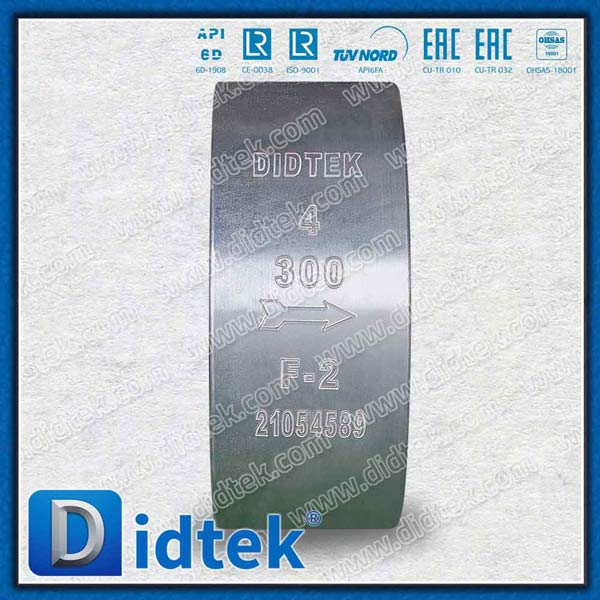
Dual-plate check valves are small and light. They fit well in tight spots. You do not need extra parts to install them. They go between flanges easily. Many engineers pick them to save space and money. The small body puts less weight on pipes and supports.
Dual-plate check valves have two plates with springs. The springs help the plates close fast when flow changes. This quick closing stops backflow and protects equipment. Water hammer is less likely because plates close before pressure builds. The non-slam design works well for high flow or sudden changes. You can count on these valves to keep your system safe.
Tip: Dual-plate check valves close quickly and seal tightly. This helps stop leaks and keeps your system safe.
You can put dual-plate check valves in horizontal or vertical pipes. The wafer body fits between standard flanges. This makes setup fast and easy. You do not need special tools or extra parts. Many people find these valves cut downtime during repairs or upgrades.
Dual-plate check valves come in many materials. Here is a table with common choices:
Material | Characteristics | Common Uses |
|---|---|---|
Stainless Steel | Resists corrosion, lasts long | Water treatment, food, petrochemical |
Carbon Steel | Strong, saves money | General industry |
Ductile Iron | Flexible, needs coating for corrosion | Water distribution, wastewater |
Aluminum Bronze | Strong, resists corrosion | Marine, seawater, desalination |
Nylon-Coated Disc | Wears well, some corrosion protection | Low-pressure industry |
Elastomer-Lined Disc | Seals tightly, resists chemicals | Chemical applications |
Hastelloy | Great for harsh chemicals | Chemical processing, pharmaceuticals |
Monel | Very strong, resists corrosion | Marine, oil & gas, chemical |
Titanium | Light, top corrosion resistance | Aerospace, marine, chemical |
You can pick the best material for your valve. This helps it last longer and seal well.
Dual-plate check valves work in many places. You see them in water treatment, HVAC, chemical plants, and oil and gas. They stop backflow in water lines and keep pressure steady in HVAC. They handle tough chemicals in processing plants. Dual-plate check valves protect pumps and compressors from reverse flow. Their strong seal and steady work make them a smart pick for many jobs.
Note: Dual-plate check valves meet API 594 standards. You can trust their seal and reliability for hard jobs.
A dual plate check valve has a more complicated design than some other valves. It has two plates, springs, and other parts inside. These extra pieces make it harder to build. This means the valve can cost more at first. If you look at a swing check valve, it might be cheaper. You should think about the price and how long the valve will last. If your system needs a good seal and fast closing, the higher price might be worth it.
Sometimes, dirt or small bits in the fluid can cause trouble. The plates and springs inside the valve have small spaces. Dirt can get stuck in these spaces. If your fluid is not clean, the valve might clog after a while. Here are some problems engineers see:
A smaller opening can make pressure drop higher.
Sometimes, there is still a little slamming.
Dirt can get stuck between the plates and stop them from moving.
You should always check if your fluid is clean before picking this valve.
You need to keep your valve in good shape. Checking and cleaning it often helps stop problems. The table below shows how taking care of dual plate check valves is different from other valves:
Maintenance Aspect | Dual Plate Check Valves | Other Check Valve Types |
|---|---|---|
Installation Orientation | Works best in horizontal pipes | Depends on the type |
Cleaning Prior to Installation | Take off rust, oil, or dirt | Needs cleaning too |
Periodic Inspection | Look for leaks and check the plates | Can be harder to check |
Lubrication | Use for high pressure or heat | May need other kinds |
Calibration | Make sure plug and seat line up | Needs can be different |
Dual plate check valves do not have many moving parts. This means they break less often. Most of the time, you just need to check and clean them sometimes. The design lets you take them apart and fix them fast. This saves time when you need repairs.
If your system uses dirty or thick fluids, you might have more problems. The moving parts can get stuck if dirt builds up. This can make the seal weak and the valve not work well. For very dirty fluids, you may want a different valve that handles solids better.
Tip: Always pick a valve that matches your fluid and how you plan to take care of it. This helps you avoid trouble and keeps your system working well.
When you pick a valve, you need to think about a few things. You want your system to last and work well. Here is a checklist to help you see if a dual plate check valve is right for you:
What is your flow rate and pressure?
How much space do you have for installation?
What type of fluid runs through your pipes?
How easy is it to reach and maintain the valve?
Does your project require industry certifications?
You must pick a valve size that matches your flow and pressure. Dual plate check valves work best when flow is steady or high. They can handle strong pressure and fast changes. The table below shows how valve size changes flow:
Valve Diameter (DN) | Dual Plate (Cv) |
|---|---|
200 | 1,200–1,400 |
500 | 6,000–6,500 |
800 | 15,000–16,000 |
Pick a valve that fits your pipe and flow needs. If your system has high pressure or needs quick action, this valve works well.
Tip: Always check your flow and pressure before you pick a valve. This helps you stop problems and keeps your equipment safe.
You might not have much room in your plant. Dual plate check valves are small and light. You can put them in tight spots. You do not need heavy supports. Two people can move and install the valve. You save money and avoid space problems. Here is why these valves are good for small spaces:
Small and light design fits tight spots.
Easy to put between flanges.
Works in pipes that go sideways or up.
Lowers pipe stress and saves money.
Gives fast response and good flow.
If your system does not have much room, this valve helps you use space well.
You need to know what fluid goes through your pipes. Dual plate check valves work with many fluids. You can use them for water, chemicals, food, oil, and gas. They work well with high pressure and heat. You must pick the right material for your valve. If you use strong chemicals or hot fluids, pick a material that will not get damaged. This keeps your valve strong and seals tight.
Good for water, chemicals, oil, food, and medicine.
Handles high pressure and heat.
The material you pick helps the valve last longer.
Note: Always match the valve material to your fluid. This keeps your system safe and makes your valve last longer.
You want your system to run with little downtime. Dual plate check valves are easy to take care of. You can reach them because they are small. Check and clean them often to stop problems. If you need to fix or change the valve, you can do it fast. This saves time and keeps your system safe.
Easy to check and clean.
Fast repairs and changes.
Less downtime when you do maintenance.
Didtek’s Dual Plate Wafer Check Valve meets many rules and standards. You can trust your valve because it is certified. The table below shows some common certifications:
Certification/Standard | Description |
|---|---|
API 6D | American Petroleum Institute 6D Certification |
ISO 9001 | Quality Management System Certification |
TS China | Special Equipment Manufacturing License |
UKCA | UKCA Safety Certification |
EAC | Russia Customs Union Certification |
TA-LUFT | Valve Fugitive Emission Certification |
ISO 15848 | Valve Fugitive Emission Micro-Leakage Certification |
API 607 | Fire Certification |
API 6FA | Fire Certification |
You can count on Didtek’s valve for hard jobs. These certifications show the valve is safe and high quality.
✅ Use this checklist and think about your system’s needs. If you want a small, strong, and certified valve, the dual plate check valve is a smart pick.
Swing check valves are common in many systems. They have one disc that swings open and closed. Dual plate check valves have two plates and springs. These plates close faster than a swing check valve. This helps stop water hammer. Swing check valves need gravity to work. You must put them in horizontal pipes. Dual plate check valves can go in horizontal or vertical pipes. Dual plate valves are smaller and lighter. This helps you save space.
Note: Dual plate check valves close fast and seal well. Swing check valves might not seal well when flow is low.
Lift check valves have a disc that moves up and down. You need a horizontal pipe for lift check valves. Dual plate check valves fit in more places. Dual plate valves cause less pressure drop. Lift check valves can handle high pressure. But they may need more care and cleaning. Dual plate check valves are easier to check and clean. You can pick the best material for your fluid with both types.
Specialty check valves are ball, diaphragm, and tilting disc types. You use these for special fluids or special needs. Dual plate check valves work with many fluids. They can handle water, oil, and chemicals. Specialty valves may work better with dirty fluids. Dual plate check valves close fast and seal tight. Specialty valves can cost more and need special setup.
You need to think about your system before you pick a valve. The table below shows what to look for:
Factor | Description |
|---|---|
Flow Characteristics | Pick a valve size and design that fits your flow rate. |
Pressure Ratings | Make sure the valve can handle all pressures in your system. |
Fluid Compatibility | Choose materials that do not rust or wear out. |
Installation Orientation | Some valves need gravity, others use springs to close. |
Maintenance Requirements | Some valves are easy to check and fix. |
Quick Closure | Fast closing stops water hammer. |
Allowable Pressure Drop | Pick a valve that does not slow your flow too much. |
Compatibility with CIP | This is important for food and medicine systems. |
Tip: Always check these things. You get the best results when your valve matches your system.
You have seen that a dual plate check valve offers compact size, fast closure, and strong sealing. It works well for high-pressure and high-flow jobs. You should remember common mistakes, like thinking all check valves are the same or ignoring water hammer. Experts suggest you talk to engineers, visit similar plants, and ask trusted partners before choosing. Always check your system’s needs, look for reliable brands, and make sure the valve meets industry standards.
A dual plate check valve uses two plates and springs to stop backflow. You see it in pipes where you want flow in one direction only.
You can install this valve in horizontal or vertical pipes. The compact wafer design fits between flanges and saves space.
You match the valve material to your fluid. Stainless steel works for water and chemicals. Carbon steel fits general industry. Pick strong materials for harsh fluids.
Tip: Always check your fluid type before you choose a valve material.
You should inspect and clean your valve every few months. Regular checks help you spot leaks and keep plates moving smoothly.
Dual plate check valves close faster and seal tighter. You get less water hammer and more installation options. Swing check valves need gravity and work best in horizontal pipes.


