+86-18058825678
- All
- Product Name
- Product Keyword
- Product Model
- Product Summary
- Product Description
- Multi Field Search

- Home
- Our Product
- About Didtek
- Solutions
- Exhibition Show
- Support
- News
 English

Views: 0 Author: Site Editor Publish Time: 2026-06-17 Origin: Site


You want the safest and most dependable choices for your industrial system. Didtek’s Lift Check Valve is a great option, along with other trusted brands. These valves help protect pumps and process lines from expensive damage. You can count on a good check valve to keep fluid going the right way. The right lift check valve stops contamination and keeps the system working well. Pick a valve that helps you feel safe and gives strong protection every day.
You want your industrial system to be safe every day. A lift check valve helps by stopping flow from going backward. Using the right check valve keeps backflow from causing big trouble. If you do not stop backflow, you could have contamination, broken equipment, or even a failed process.
Here are the main safety risks if you do not use a lift check valve:
Functionality | Safety Implications |
|---|---|
Allows flow in one direction | Stops backflow, which can cause contamination and damage |
Blocks reverse flow | Keeps pumps and compressors safe from expensive harm |
Maintains process integrity | Makes sure your system works safely |
A check valve is more than just a part. It acts like a shield for your system.
A lift check valve has a disc that lifts when fluid moves forward. When the flow slows down or goes backward, the disc drops and closes the valve. This simple movement stops backflow every time. This check valve works well in high-pressure systems and seals tightly. You can trust it to keep your process safe and running well. The right check valve keeps flow moving one way and blocks reverse flow.
Check valves, especially lift check valves, are very important for safety. They stop backflow and protect your equipment from harm. You can feel calm knowing your system will not fail from reverse flow.
You need a check valve that follows strict industry rules. These rules make sure your valve can handle hard jobs in water, oil, power, and chemical plants. For example, water systems need NSF/ANSI 61 and AWWA C508 approval. Oil and gas need valves that close fast and use special materials. Power plants use check valves that meet ASME B31.1 for high pressure and heat.
Picking a lift check valve that meets these rules gives you the best safety and backflow prevention for your work.
You want your check valve to last a long time. The material you pick is very important. It helps the lift check valve handle chemicals, pressure, and heat. Here is a table that shows common materials for check valves:
Material | Composition | Properties | Applications |
|---|---|---|---|
Stainless Steel | Various alloys | Corrosion resistant, durable | Harsh conditions, chemical applications |
Gunmetal | 88% Copper, 8-10% Tin, 2-4% Zinc | Corrosion resistance, resists dezincification | Water, steam, chemical applications |
Bronze | Copper and tin alloy | Good corrosion resistance | Various industrial applications |
Cast Iron | Iron alloy | Strong, durable, cost-effective | General industrial use |
Stainless steel is best for strong chemicals. Bronze and gunmetal are good for stopping rust. Cast iron is good for big pipes with low pressure. Pick the right material for your lift check valve. This helps keep your system safe and saves money.
Your check valve must handle your system’s pressure and heat. Stainless steel lift check valves can take high pressure and heat. Carbon steel works for even higher pressure but can rust. When it gets hotter, the valve gets weaker. Always check the ratings before you buy a valve.
You need the right size check valve. Measure how much liquid moves in your system. Use charts from the maker to pick the right size. If the valve is too big or too small, it will not work well. For most lift check valves, match the size to your pipe and flow.
Look for check valves with the right approvals. Some examples are NSF/ANSI 61 for water and ASME for power plants. Certified valves help you follow safety rules and feel safe.
Plan to take care of your check valve. Make sure there is space to reach it. Mount it tight so it does not shake. Use filters to keep out dirt. Check your valve often for leaks or broken parts. This helps your valve last longer and work better.
Tip: Test, check, and fix your check valve often. This keeps your system safe and working well.
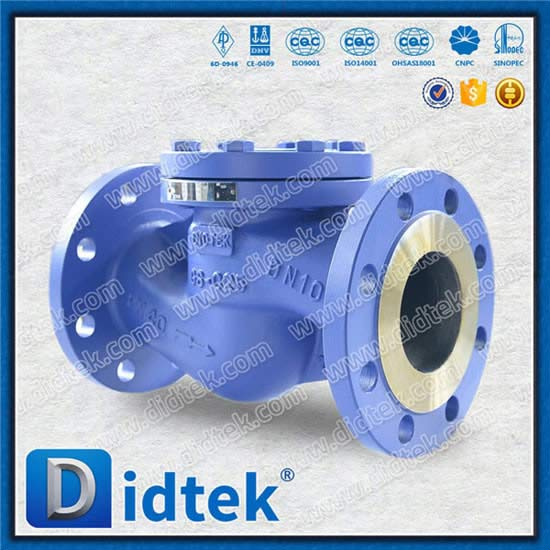
You want a check valve that helps you feel safe. Didtek’s lift check valve is a top pick for safety and trust. This valve has a disc that lifts when fluid moves forward. When the flow stops or goes backward, the disc drops and closes the valve. This stops backflow every time. The lift check valve is easy to put in and simple to fix. You can pick from many sizes and materials to fit your system. Didtek’s valve follows strict industry rules. It helps protect your equipment and keeps your process safe. The strong build means the valve lasts a long time. You save money and avoid system stops. Didtek’s lift check valve works in water, chemicals, and other industries. You can trust this valve to keep your system working well.
Pick Didtek’s lift check valve for strong protection and long life. You make your system safer and help it work better.
You need a check valve for small spaces and hard jobs. UBW Industrial lift check valve gives you many good things. It stops backflow and lets fluid move one way. The valve stops reverse flow by itself. You can put this valve in easily because it is small. You control flow even when space is tight. The strong build lets the valve handle high pressure and heat changes. You avoid leaks and problems. UBW’s lift check valve keeps pressure drop low. Your system works well and saves energy.
Here is a quick look at UBW’s lift check valve advantages:
Feature | Description |
|---|---|
Backflow Prevention | Lets fluid move one way and stops reverse flow by itself |
Compact Design | Small shape for easy use in tight spaces |
Durable Construction | Handles high pressure and heat changes |
Low-Pressure Drop | Keeps system working well and saves energy |
You pick UBW’s lift check valve for easy use, strong safety, and good work.
You have more choices for check valves in industry. Another top brand has a lift check valve with special features. This valve does not rust and can handle strong chemicals. The check valve has a special seat for a tight seal. You avoid leaks and keep your process safe. This valve works well in high-pressure systems. You can put it in fast and fix it easily. The check valve meets industry rules, so you follow safety laws. You trust this valve to protect your equipment and keep your system working.
You make your system safer and more reliable with a good lift check valve from a trusted brand.
You have many choices for check valves. Didtek’s lift check valve gives strong protection and is easy to fix. UBW’s lift check valve fits small spaces and keeps your system working well. Other brands have valves with special features for hard jobs. You pick the best lift check valve for your needs and make your system safer.
You want to make the best choice for your system. A good check valve keeps your process safe and running. You need to compare each check valve by important features. Look at the table below. It shows how Didtek, UBW, and another top brand stack up. You see the material, pressure rating, certifications, and how easy it is to check and fix each valve.
Brand/Model | Material Types | Pressure Rating | Certifications | Maintenance Needs |
|---|---|---|---|---|
Didtek | Stainless steel, GS-C25, DIN options | High (for industry) | Meets industry standards | Easy to check and service |
UBW | Stainless steel, brass, plastic | High | Industry compliant | Simple to check and clean |
Leading Brand | Stainless steel, brass, plastic | High | Certified for safety | Quick to check and repair |
Stainless steel works best for tough jobs.
Brass and plastic give you more choices for different needs.
Each check valve uses a disc that moves up and down. This design works well in high-pressure systems.
You want a check valve that gives you peace of mind. Didtek’s lift check valve stands out for strong safety and long life. UBW’s check valve fits tight spaces and keeps your system safe. The leading brand offers a check valve with a special seat for a tight seal. All three check valves meet strict rules for safety.
Tips: Check for certifications. For example, quality standards can indicate the manufacturer's commitment. This information is crucial for decision-making.
You should always check the ratings before you buy. A good check valve protects your equipment and keeps your process safe. You can trust these check valves to stop backflow and keep your system working every day.
You want the best check valve for your system. Start by looking at what your system needs. Every industrial setup is different. You should check these important factors before you choose:
Valve type: Pick the right kind for your flow and system.
Material compatibility: Make sure the valve can handle your fluid and conditions.
Size and flow capacity: The check valve must fit your pipe and let fluid move well.
Pressure rating: The valve must match your system’s pressure and temperature.
End connections: The check valve should fit your pipes.
Operational requirements: Think about how often you will use and maintain the valve.
API standards: The check valve should meet rules like API 6D.
You protect your equipment when you check these details. You avoid problems and keep your process safe.
You need a check valve that fits your job. Some systems use high pressure and fast flow. Boiler feedwater lines, steam systems, and oil networks need a lift check valve. This type of valve works best in these places. The design uses a vertical disc and tight shutoff. You get strong safety and protect your pumps from damage. You should always match the check valve features to your application. You get the best results when you do this.
Tip: Always follow installation best practices. Good check valve installation keeps your system safe and helps the valve last longer.
You want to avoid common mistakes when you pick a check valve. Many people choose the wrong material. Brittle materials like cast iron or brass can break. You should pick strong materials like stainless steel or alloys. Some people install the valve wrong. If the gap between the disc and guide is too small, the disc will not move well. You must check the gaps and follow the rules for installation. Others forget to clean the valve. If you use dirty or thick fluids, the disc can get stuck. Clean and check your valve often. This keeps the check valve working and stops problems.
Do not use weak materials for the disc.
Do not skip regular cleaning.
Do not ignore the right gaps during installation.
You make your system safer when you check these points. You get better performance and longer life from your check valve.
You want your lift check valve to work safely every day. You should follow a routine inspection and cleaning plan. This keeps your valve in top shape and helps you avoid sudden problems. Here is a simple checklist you can use:
Schedule regular servicing for your valve at least once a year.
Keep a logbook of every service and inspection. Write down what you find each time you check.
Make sure only trained people inspect your valve. They know what to look for.
Look closely for any wear on the parts. Pay special attention to the connections.
Check the firmness of each connection. Tighten anything that feels loose.
Inspect for any signs of corrosion. If you see rust, decide if it needs fixing right away.
Examine the valve for leaks. Use a calibrated device to check for gas leaks and act fast if you find any.
Tip: A good inspection routine helps you catch small issues before they become big problems.
You need to know when your check valve needs attention. Watch for these signs:
The valve makes strange noises when you check it.
You see leaks around the body or connections.
The disc does not move smoothly when you check the flow.
You notice rust or pitting on the inside when you clean the valve.
The valve does not seal tightly during operation.
If you spot these signs, you should replace worn parts right away. This keeps your system safe and avoids costly downtime.
You want your lift check valve to last as long as possible. You can follow these strategies to get the most out of your valve:
Set up a proactive maintenance schedule based on how your system runs.
Do regular visual and sound checks to find problems early.
Clean the inside parts well to stop dirt from blocking the check.
Test for seat leakage to make sure the valve seals tight.
Use only high-quality replacement parts from trusted makers.
Write down all maintenance work to spot trends and predict failures.
Remember: Good maintenance helps your check valve protect your system for years.
You want your industrial system to stay safe. Didtek is a top lift check valve pick. It gives strong safety and works well every day. The table below shows how each valve helps protect your system:
Valve Type | Safety Benefits | Application Context |
|---|---|---|
Wafer Check Valves | Stops water hammer, lowers leaks, and keeps small spaces safe. | Good for tight spaces and low pressure drop. |
Swing Check Valves | Manages flow well and is easy to fix, so your system stays reliable. | Works best for high flow jobs. |
Picking the right check valve keeps your equipment safe. It stops backflow and helps your process run smoothly. You need to choose the right valve for your system.
Use the tips and rules from this guide to make smart choices. You can learn more from these resources:
Check Valve Solutions for the Mining Industry Webinar Q&A
Axial Flow Check Valves for Pumps and Compressors - Link
Check Valve Catalog - Link
Application Guide - Link
Resource Library - Link
A lift check valve lets fluid flow in one direction. You stop backflow and protect your equipment. You keep your system safe and avoid costly repairs. Choose this valve for strong, reliable protection.
You should replace your check valve if you see leaks, hear odd noises, or notice poor sealing. Regular checks help you spot problems early. Quick action keeps your system running safely.
You should install a lift check valve in a horizontal line for best results. This position helps the disc move freely. Always follow the manufacturer’s guide for safe and proper installation.
You should check your valve at least once a year. Regular inspections help you find wear or damage. You keep your system safe and extend the life of your valve.
You find lift check valves in water treatment, chemical plants, oil and gas, and power stations. These industries trust this valve for safety and reliable flow control.


