+86-18058825678
- All
- Product Name
- Product Keyword
- Product Model
- Product Summary
- Product Description
- Multi Field Search

- Home
- Our Product
- About Didtek
- Solutions
- Exhibition Show
- Support
- News
 English

Views: 0 Author: Site Editor Publish Time: 2025-08-26 Origin: Site


In industrial operations such as oil and gas processing, chemical manufacturing, power generation, and water treatment, safety is a non-negotiable priority. Emergencies, such as sudden leaks, overpressure, or fire hazards, can occur unexpectedly, and rapid response is critical to prevent catastrophic damage. This is where quick-release pneumatic ball valves come into play. These valves are designed to act instantly, isolating hazardous flows and protecting both personnel and equipment.
Unlike conventional manual or standard automated valves, quick-release pneumatic ball valves combine the high-speed operation of pneumatic systems with the reliable sealing of ball valves. Their unique design allows them to respond within seconds to emergency signals, making them an essential component of modern emergency shut down (ESD) systems. Understanding their function, benefits, applications, and maintenance is key to maximizing safety in industrial operations.
A ball valve operates using a spherical disc (the “ball”) with a bore through the middle. When aligned with the pipeline, fluid flows freely; when rotated 90 degrees, the flow is blocked completely. This simple quarter-turn mechanism provides quick shut-off and excellent sealing capability.
When a pneumatic actuator is added, the valve can be operated remotely or automatically. Compressed air drives the actuator, rotating the ball to open or close the valve. The quick-release mechanism enhances this design by ensuring the valve reaches its fail-safe position rapidly, regardless of the air supply status or other operational delays.
This combination of features makes quick-release pneumatic ball valves particularly suited for emergency shut down systems, where seconds can make the difference between a contained incident and a major accident.
Emergency shut down systems are designed to isolate critical sections of a plant or pipeline during hazardous events. In these situations, the speed and reliability of the valve are crucial. A standard valve might require time to open or close fully, or it could rely on human intervention, which introduces delays and potential errors.
Quick-release pneumatic ball valves address these challenges by providing:
Instantaneous Operation: The valve can close or open in seconds when triggered, ensuring the immediate isolation of hazardous flows.
Fail-Safe Capability: Many quick-release designs automatically move to a safe position in case of air supply failure or system malfunction.
High Reliability Under Pressure: These valves can operate under high-pressure and high-temperature conditions, maintaining integrity when other systems might fail.
By incorporating these valves into ESD systems, industrial operators can significantly reduce the risk of fires, explosions, toxic exposure, and environmental contamination.
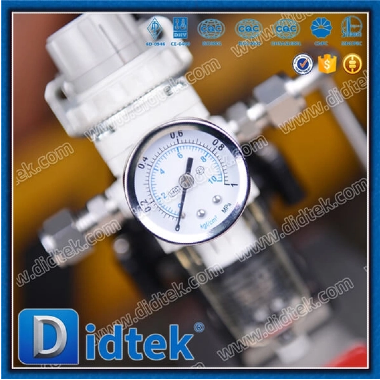
The most defining feature of a quick-release pneumatic ball valve is its ability to actuate extremely fast. This speed is achieved through the pneumatic actuator and the quick-release mechanism, which minimizes the time required to reach the valve’s fail-safe position. In emergency situations, this rapid response can prevent accidents, protect equipment, and save lives.
Ball valves are known for their excellent sealing capabilities. When closed, they provide a tight shut-off that prevents leakage. Quick-release pneumatic ball valves maintain this reliability even under emergency conditions, ensuring that hazardous fluids or gases are completely isolated from the system.
In industries such as oil and gas or chemical processing, regulations often mandate fail-safe valves in critical pipelines. Quick-release pneumatic ball valves meet these safety requirements, helping companies comply with local and international safety standards. Their design minimizes risks and ensures regulatory compliance.
Because these valves operate automatically or remotely, they reduce the need for operators to manually close or open valves during emergencies. This not only increases safety but also eliminates human error, which is a common factor in industrial incidents.
Quick-release pneumatic ball valves are built to endure extreme conditions, including high pressure, temperature fluctuations, corrosive chemicals, and dusty or wet environments. Proper material selection and surface treatment enhance durability, making them suitable for demanding industrial applications.
Quick-release pneumatic ball valves are widely used in industries where rapid flow isolation is essential.
In offshore platforms, refineries, and pipeline networks, these valves are often integrated into ESD systems to isolate sections during overpressure, leaks, or fire hazards. Rapid closure prevents spills, explosions, and environmental damage, ensuring both personnel safety and operational continuity.
Chemical plants often handle highly reactive or toxic fluids. Quick-release pneumatic ball valves ensure that dangerous substances can be isolated instantly if a process deviation or equipment failure occurs, protecting both the workforce and the facility.
In power plants, steam or coolant lines require immediate shut-off in the event of system failure. Quick-release pneumatic ball valves provide reliable emergency isolation to prevent equipment damage and maintain safe operating conditions.
Automated ESD systems using quick-release valves help isolate contaminated or hazardous flows, ensuring safe operation of treatment facilities and compliance with environmental regulations.
Even in industries handling liquids for consumption, these valves ensure safe and efficient isolation of process lines, particularly in automated systems that require rapid shut-off without human intervention.
Successful integration of quick-release pneumatic ball valves into emergency shut down systems requires careful planning. Key considerations include:
Valve Sizing and Pressure Ratings: The valve must be appropriately sized to handle the maximum flow and pressure of the pipeline. Incorrect sizing can compromise the speed and effectiveness of shut-off.
Actuator Selection: Pneumatic actuators must provide sufficient torque and speed for the valve to reach the fail-safe position reliably.
Control System Compatibility: Valves should be fully integrated with the plant’s ESD or safety instrumented systems, allowing automatic triggering based on sensor inputs or operator commands.
Fail-Safe Positioning: Determine whether the valve should fail open or closed in the event of air or power loss, based on the safety requirements of the system.
Maintenance Access: Ensure valves are installed in locations that allow easy inspection, testing, and maintenance without disrupting operations.
Even the most advanced quick-release pneumatic ball valves require proper maintenance to remain effective. Regular maintenance practices include:
Routine Inspection: Visual checks for leaks, corrosion, or mechanical damage, combined with operational testing to ensure smooth actuation.
Actuator Care: Periodic testing of the pneumatic actuator to confirm proper torque, spring return function, and absence of air leaks.
Seal and Seat Checks: Ensuring that internal seals and ball seats remain intact to maintain a tight shut-off.
Functional Testing: Simulating emergency conditions to verify that the valve reaches its fail-safe position within the required timeframe.
Air Supply Maintenance: Keeping the pneumatic system clean and dry to prevent contamination that could impair valve performance.
A proactive maintenance program enhances reliability, reduces downtime, and ensures that valves respond correctly during real emergencies.
The advantages of these valves extend beyond emergency response. They also improve operational efficiency, reduce energy consumption, and enhance system automation. Automated valves reduce human intervention, minimize the risk of errors, and integrate seamlessly with modern control systems. Their rapid response and fail-safe functionality protect both personnel and assets, while their durability ensures consistent performance in harsh industrial environments.
By providing a reliable, high-speed solution for emergency flow control, quick-release pneumatic ball valves are a cornerstone of safe and efficient industrial operations.
As industries adopt more sophisticated automation and digital monitoring, quick-release pneumatic ball valves are evolving as well. Modern valves can be equipped with sensors that provide real-time feedback on position, flow, and actuator health. These digital integrations allow operators to detect potential issues before they become problems, plan predictive maintenance, and enhance overall system safety.
The combination of fast-acting pneumatic technology and digital monitoring ensures that emergency shut down systems remain reliable, responsive, and effective even as industrial operations grow more complex.
Quick-release pneumatic ball valves are indispensable components of emergency shut down systems. Their ability to isolate hazardous flows rapidly, operate reliably under extreme conditions, and integrate seamlessly into automated systems makes them vital for industrial safety. By combining rapid actuation, fail-safe design, and durable construction, these valves protect people, equipment, and the environment while reducing reliance on manual intervention.
For industries ranging from oil and gas to chemical processing, power generation, and water treatment, incorporating quick-release pneumatic ball valves into ESD systems ensures both safety and operational efficiency. With proper integration, testing, and maintenance, these valves provide long-lasting, dependable performance, helping organizations meet safety standards and maintain operational continuity.
Companies seeking high-quality quick-release pneumatic ball valves can rely on experienced manufacturers such as Didtek Valve Group Co., Ltd., which provide certified, durable solutions designed for the demanding requirements of emergency shut down systems.


