+86-18058825678
- All
- Product Name
- Product Keyword
- Product Model
- Product Summary
- Product Description
- Multi Field Search

- Home
- Our Product
- About Didtek
- Solutions
- Exhibition Show
- Support
- News
 English

Views: 0 Author: Site Editor Publish Time: 2026-06-12 Origin: Site


Imagine you need to pick a valve for a high-pressure pipe. Choosing a gate valve vs ball valve can change how your system works. You need to know the main differences. A gate valve gives strong shut-off in water supply systems, while a ball valve works fast in emergencies. Safety and efficiency depend on picking the right valve. The table below shows how your choice affects how the system works:
Scenario | Ball Valve | Gate Valve |
|---|---|---|
Opening/Closing Frequency | Good for opening and closing often | Not good for opening and closing often |
Water Hammer Resistance | Strong against water hammer | Weak against water hammer |
Media Type | Handles liquids, gases, and dirty stuff | Best for clean liquids and gases |
Applications | Used in petrochemical, gas, and food jobs | Used in water supply, power, and metal jobs |
Maintenance | Easy and cheap to fix | Hard and costs more to fix |
Flow Capacity | High flow with little resistance | High flow when fully open |
Pressure Drop | Low when open | High when not fully open |
You get better control and reliability when you know the differences between gate valves and ball valves.
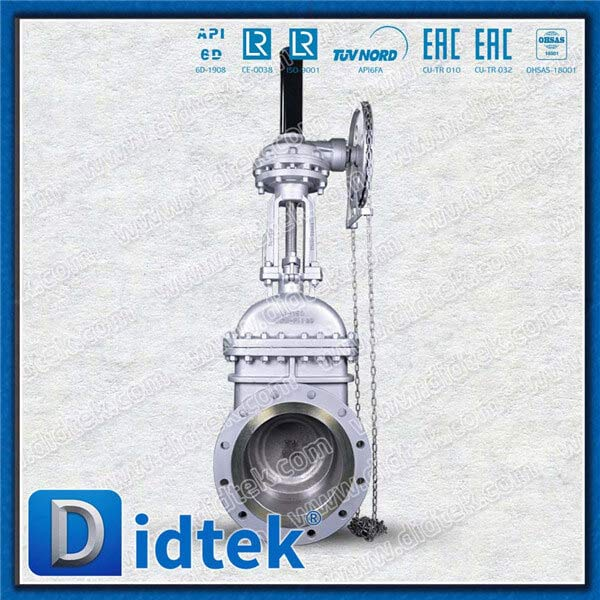
A gate valve helps control how liquids or gases move in big systems. It works well when the pressure is high. You can find gate valves in oil and gas, medicine, and ships. Didtek makes many gate valves for tough jobs. You can pick wedge, long stem, pressure seal, slab, electric, or pneumatic gate valves. These valves let you stop the flow all the way when you need to.
A gate valve has a flat or wedge-shaped gate inside. You turn the handwheel to move the gate up or down. When the gate goes up, fluid can move through. When the gate goes down, it blocks the flow. The stem links the handwheel to the gate. The body holds all the parts and keeps things safe. Gate valves give a tight seal and work well when pressure and heat are high.
Tip: Gate valves are best when you want fluid to move straight with little blocking.
Component | Function |
|---|---|
Gate (Disk or Wedge) | Moves up and down to control flow and seals tightly. |
Stem | Moves the gate when you turn the handwheel; can go up or stay still. |
Body | Holds all the parts and keeps pressure inside. |
Bonnet | Covers the body and holds the stem and gate. |
Seat | Helps seal the valve tightly both ways. |
You can choose from different gate valve types for your job:
Parallel gate valves fit between two flat seats and let fluid move easily.
Wedge gate valves use a wedge-shaped gate for high pressure.
Metal seated gate valves work well when it is very hot.
Resilient seated gate valves seal tightly for water jobs.
Rising stem gate valves show if the valve is open or closed.
Non-rising stem gate valves are good when you do not have much space.
Didtek has all these types, and you can get electric or pneumatic ones for machines. You can also ask for special gate valves with OEM or ODM services.
Gate valves have many good points in high-pressure systems:
Gate valves work well when pressure and heat are high.
They seal tightly, which keeps things safe.
The design lets you move oil, gas, or slurry with no trouble.
Gate valves do not cost a lot for big pipes.
When open, there is little pressure drop.
There are some problems with gate valves in big jobs.
Disadvantage | Description |
|---|---|
Greater flow resistance | Gate valves slow down flow more than some other valves. |
Water hammer phenomenon | Fast changes in flow can cause water hammer and break things. |
Operating noise | Gate valves can be loud when you use them. |
You may also see that gate valves take more time to open or close, especially if they are big.
A ball valve helps control how liquids or gases move. It has a round ball inside with a hole in it. When you turn the handle, the ball turns too. This opens or closes the flow. Ball valves are used in factories and pipelines. You see them in petrochemical, food, and natural gas jobs. They are good because they shut off flow well and are easy to use.
A ball valve is simple to use. You turn the handle just a quarter turn. That means you move it 90 degrees. This lets you open or close the valve fast. The ball inside has a hole that lines up with the pipe when open. If you turn the handle, the ball blocks the flow. This design lets you stop flow quickly. This is important if there is an emergency. Other valves need many turns, but a ball valve only needs one quick move.
Tip: Use a ball valve when you need to open or close a line fast in a factory.
Component | Function |
|---|---|
Shaft | Connects the ball to the handle so you can turn it. |
Bonnet | Covers the shaft and packing to keep things safe. |
Seat | Makes a tight seal around the ball to stop leaks. |
Seals | Stop leaks between the inside and outside of the valve. |
Actuator | Lets you open or close the valve by hand or by machine. |
There are different types of ball valves for factories. Some types are:
Full port ball valves let fluid move with almost no resistance.
Reduced port ball valves have a smaller opening for better control.
V-port ball valves help you control flow more exactly.
Multi-port ball valves let you change which way the fluid goes.
Each type is good for different jobs. For example, full port ball valves are used in water and steam systems. V-port types are good for mixing chemicals.
Ball valves have many good points in factories:
You can open or close them fast with a quarter turn.
They shut off flow well and do not leak much.
They do not need much fixing because they are simple.
You find ball valves in many places, like HVAC, cooling, and making things. They work well when pressure and heat are high.
Advantage | Application Examples |
|---|---|
Quick and easy operation | Used for steam and water in boilers and turbines |
Reliable flow control and sealing | Used in food and drink factories |
Durable, low-maintenance designs | Used in HVAC for smooth flow and shut-off |
High temperature/pressure applications | Used in cooling and other factory jobs |
Positive shut-off | Used in many fluid systems in different industries |
Ball valves also have some problems in factories.
Disadvantage | Description |
|---|---|
Higher Initial Cost | Ball valves cost more to buy than gate valves of the same size. |
Potential for Water Hammer | Closing them fast can make pressure surges that hurt pipes and machines. |
Limited Throttling Capabilities | Not made for throttling; opening partway can damage the seat and break the valve. |
Space Requirements | Needs enough room to turn the handle all the way, which can be hard in small spaces. |
You should think about these things before you pick a ball valve for your system.
It is important to know how gate valves and ball valves work. Gate valves use a handwheel. You must turn it many times to move the gate up or down. This takes more time and effort. Ball valves use a handle or lever. You only turn it a quarter turn, or 90 degrees, to open or close the valve. This makes ball valves faster and easier to use.
Feature | Gate Valves | Ball Valves |
|---|---|---|
Actuation Method | Multi-turn (360+ degrees) | Quarter turn (90 degrees) |
Speed of Operation | Slower, requires more time and effort | Faster, quick shut-off |
User Interaction | Handwheel for precise control | Simple lever or handle |
Application Suitability | Municipal, residential, industrial | Emergency situations, frequent use |
Gate valves let you control flow more exactly. Ball valves shut off flow quickly. If you need to stop fluid fast, ball valves are better. Gate valves are good when you do not open and close them often.
Tip: Pick ball valves for emergencies and when you use them a lot. Use gate valves for full shutoff in water supply lines.
Gate valves and ball valves are different in how they control flow and shut off. Gate valves lift a gate out of the way. When fully open, there is little resistance to flow. Ball valves have a round ball with a hole. You turn the handle to line up the hole with the pipe. This lets fluid move through.
Valve Type | Mechanism Description | Suitability for Flow Control |
|---|---|---|
Gate Valve | Operates by lifting a gate out of the flow path, allowing minimal flow resistance. | Ideal for complete shut-off in water pipelines. |
Ball Valve | Uses a spherical ball with a hole to control flow, allowing for quick operation. | Better for rapid shut-off in gas pipelines. |
Gate valves are made to be fully open or fully closed. They are not good for adjusting flow. Ball valves can be partly open to control flow. This gives you more choices. Ball valves open and close quickly with a quarter turn.
Gate valves seal tightly when closed all the way.
Ball valves shut off fast and work both ways.
Ball valves are easier to use and fix.
Feature | Gate Valve | Ball Valve |
|---|---|---|
Flow Control Precision | Not suitable for throttling | Limited throttling capability |
Shutoff Capability | Requires multiple turns to operate | Quarter-turn for immediate shutoff |
Speed of Operation | Slower due to multi-turn design | Quick operation ideal for fast cycles |
Gate valves give full shutoff. Ball valves give instant shutoff. Ball valves are better if you want to control flow.
Sealing is very important for valves. Gate valves and ball valves seal in different ways. Ball valves with soft seats seal better than gate valves. The ball shape lets the seat touch evenly. This makes a tight seal and stops leaks. Gate valves seal when the gate closes on the seat. Over time, the gate and seat can wear out. This can cause leaks.
The sliding gate and seat surfaces can wear over time, increasing the likelihood of leaks.
Ball valves seal tightly in many jobs.
Gate valves may leak if the gate or seat wears out.
Scratches or dirt can cause leaks.
Packing can leak if it gets old or worn.
Good installation and picking the right materials help seal better.
Factor | Description |
|---|---|
Material Selection | The choice of materials like PTFE and stainless steel significantly impacts sealing effectiveness. |
Manufacturing Process | Precision machining and surface treatments enhance sealing surfaces, reducing leakage risks. |
Installation Method | Proper installation is crucial; misalignment or excessive force can lead to leakage. |
Operating Environment | External conditions can degrade sealing performance over time, affecting leakage prevention. |
Operating Conditions | Frequent actuation and fluid dynamics can impact sealing longevity, necessitating proper sizing. |
Ball valves seal tightly. Gate valves need more care to keep sealing surfaces good. Ball valves handle fluid with less chance of leaks.
Durability and maintenance are important when you compare gate valves and ball valves. Ball valves are strong and resist wear. You can use them in tough places. Gate valves can wear out faster if you use them a lot. This means you need to fix them more often.
Valve Type | Maintenance Requirements | Expected Service Life |
|---|---|---|
Ball Valve | Simple maintenance focusing on sealing parts and regular inspections. | Longer service life, especially with frequent operation. |
Gate Valve | Complex maintenance requiring checks on sealing surfaces, valve stem, and parts replacement. | Shorter service life if used improperly. |
Ball valves are reliable and simple. They have fewer parts that can break. You do not need to fix them as much. Gate valves need more checks and fixing. You must look at the sealing surfaces, valve stem, and change parts often.
Dirt can stop gate valves from closing all the way, causing leaks.
Seals wear out and need checking; worn seals leak more.
Using gate valves to adjust flow can make them wear out faster.
Valve Type | Maintenance Frequency | Suitability for Frequent Operation |
|---|---|---|
Ball Valve | Low | High |
Gate Valve | High | Low |
Ball valves are easier to fix. Gate valves need more care. Ball valves last longer, especially if you use them a lot. Gate valves work best when fully open or closed.
Note: Ball valves seal tightly and are easy to fix. Gate valves need more fixing but shut off water supply well.
You see gate valves in big water systems, power plants, and oil and gas jobs. This valve is best when you need to stop flow strongly and keep things separate. When the valve is all the way open, water or other fluids move with little pushback. Didtek gate valves work in many factory pipes, especially where pressure and heat are high. These valves are also good in mines and chemical plants. They help stop clogging and can handle rough or harmful fluids.
Here is a table that shows where you use a gate valve and why it is a good pick:
Application Area | Performance Criteria |
|---|---|
Water Supply & Wastewater Treatment | Keeps flow separate with little pressure drop, which is needed for big pipes. |
Oil & Gas Industry | Handles high pressure and heat, seals tightly, and lets all the flow through. |
Power Plants | Cuts down on flow bumps and pressure loss when things get hot and high pressure. |
Industrial & Mining | Special designs stop clogging and damage in tough places. |
Chemical Processing | Shuts off tightly and works with harsh stuff, which is important for strong chemicals. |
Other Utilities & Infrastructure | Good for turning flow on or off in city jobs. |
Tip: Pick a gate valve when you need to stop flow all the way and want little pressure loss.
You find ball valves where you need to stop flow fast and use the valve easily. This valve is used in oil and gas pipes, refineries, and chemical plants. You can use it to control water, gas, or chemicals. Ball valves help you close off wellheads, control flow under the sea, and manage tanks. They are great for emergencies because you can close them quickly with one turn.
Ball valves shut off well in high pressure and heat.
You can use them to control natural gas flow during work.
They help control and check oil and chemical flow in pipes and tanks.
Ball valves are important for safety when you need to stop flow fast.
Think about running a water plant. You use a gate valve to close off part of a pipe for fixing. The valve shuts tight and lets water move well when open. In a refinery, you might use a ball valve to stop oil flow quickly if there is a problem. The fast valve action keeps your system safe and protects workers. Didtek gate valves are good for big water pipes and high-pressure oil pipes, where you need strong shutoff and long life.
Note: Always pick the right valve for your job. This keeps your system safe, working well, and easy to fix.
When you pick a valve, you must think about a few things. The fluid type matters. Pressure is important too. You should also check how often you open or close the valve. Picking the right valve keeps your flow safe and steady. Look at this table to compare gate valves and ball valves:
Factor | Gate Valve | Ball Valve |
|---|---|---|
Cost | Usually costs less at first | Costs more at first but lasts longer |
Maintenance | Needs regular fixing | Needs little fixing, easy to change seals |
Type of Media | Works best for thick liquids | Works for liquids and gases |
Space Requirements | Needs less space to work | Needs more space to turn handle |
Application | Good if you do not use it often | Good for quick use and control |
Ports | Not used much for multi-port jobs | Has more choices for multi-port jobs |
You should also think about these things:
What kind of fluid you have
How much pressure you need
How fast the flow is
How much fixing you will do
Gate valves are better for thick liquids. Ball valves are good for fast shut-off or for gases. Always pick a valve that fits your system and flow.
Some people make mistakes when picking a valve. These mistakes can cause leaks or damage. Sometimes they even cause safety problems. Check this table to see what can go wrong:
Common Mistakes | Consequences |
|---|---|
Bad pipe support | Pipes break early and leak |
Flange not lined up | Problems working and safety risks |
Not cleaning well | Dirt causes valve to break |
Wrong bolt tightness | Parts break and leak |
Wrong valve direction | Valve does not work right and needs more fixing |
You can stop these problems by checking your work. Clean the valve before you use it. Follow the right steps for each valve.
Here are some tips from experts:
Check which way the flow goes before you put in the valve.
Pick a valve that fits your flow and pressure.
Clean the valve and pipes before you start.
Use the right tools and tighten bolts the right way.
Make sure you can reach the valve if you need to fix it.
Tip: If you do not know which valve to use, ask an expert or the maker. This can help you save time and money.
Picking the right valve helps your system work well. It keeps your flow safe and steady.
You can look at the table to see how gate valves and ball valves are different.
Feature | Ball Valves | Gate Valves |
|---|---|---|
Design | Trunnion, floating ball | Wedge, vertical movement |
Operation Speed | Quick, quarter-turn | Slower, multi-turn |
Sealing Performance | Bidirectional | Unidirectional |
Picking the right valve keeps your system safe and working well. Gate valves are good if you do not use them much and want low flow resistance. Ball valves are better if you need to shut off flow fast and want easy use. If you need a special valve, you can ask Didtek for help. Always think about what your system needs before you choose a valve.
You use a gate valve for slow, strong shutoff. You use a ball valve for quick, easy shutoff. Gate valves move a gate up and down. Ball valves turn a ball with a hole.
You should pick a gate valve for water supply lines, high-pressure jobs, or when you need a tight seal. Gate valves work best when you do not open and close them often.
You should use a ball valve when you need to open or close a line fast. Ball valves work well for gas, oil, and emergency shutoff. You can use them often without much wear.
Yes, you can use both. You might use a gate valve for main shutoff and a ball valve for quick control. This gives you more options for safety and maintenance.
Tip: Check your fluid type, pressure, and how often you use the valve. Ask an expert or manufacturer like Didtek if you are not sure.


