+86-18058825678
- All
- Product Name
- Product Keyword
- Product Model
- Product Summary
- Product Description
- Multi Field Search

- Home
- Our Product
- About Didtek
- Solutions
- Exhibition Show
- Support
- News
 English

Views: 0 Author: Site Editor Publish Time: 2026-06-02 Origin: Site


You use a pneumatic gate valve to control liquids or gases. It works in industrial systems. The valve uses compressed air to move a gate. The gate opens or closes the passage fast. Many industries use pneumatic gate valves for quick response. They also use them for safe operation. Didtek makes these valves with strong materials like WC6 and WCB. This makes them reliable in hard environments.
Pneumatic actuated valves are a big part of the automated valve market. The market is expected to reach $12.8 billion by 2027. These valves give fast action and high safety. They are also cost-effective for tough industrial needs.
A pneumatic gate valve has many parts. Each part does something important. These parts help the valve control flow. They also make it strong and safe in tough places.
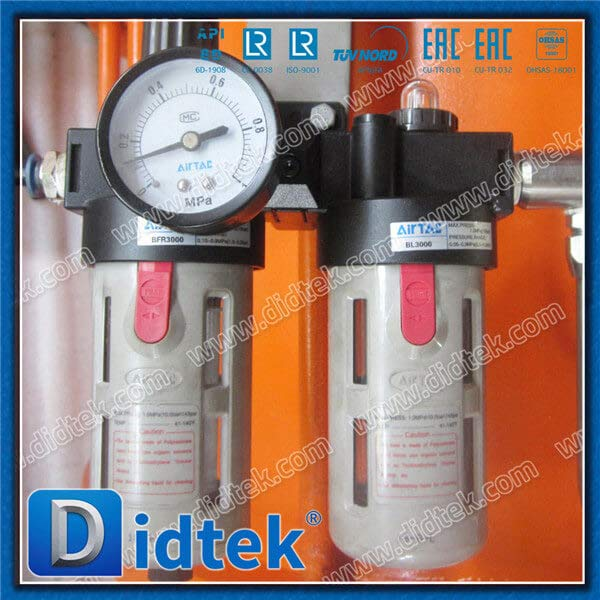
The gate and valve body are the main parts. Didtek uses WC6 and WCB for these parts. These materials help the valve last longer. They also let the valve handle high pressure. You can see the main materials in the table below:
Component | Material |
|---|---|
Body & Bonnet | Carbon Steel (A216 WCB) |
Seat Ring | RPTFE |
These materials give you:
Long-lasting use
Strength for hard jobs
Flexibility for different coatings
The gate’s design is important. A sliding gate makes less turbulence. This means the valve is quieter and wears out slower. The wedge sealing action gives a tight seal. It also helps keep things separate. When you open the valve, flow moves easily. This design helps you control flow. It also keeps the valve working well in tough places.
Tip: Always pick the right material and pressure rating for your job. This helps your valve work best and last longer.
The pneumatic actuator moves the gate. It uses compressed air to open or close the valve. Didtek uses a double-acting mechanism. This means air moves the gate both ways. You get faster and more reliable action.
Here are some features of the double-acting actuator:
Feature | Description |
|---|---|
Doubled Lifting Force | Stops jamming in big or high-pressure valves. |
Explosion-Proof Design | Keeps you safe in places like oil and gas plants. |
Manual Override | Lets you use the valve if air supply fails. |
Pneumatic actuators give you many benefits:
No sparks, so they are safe in explosive areas
Fast movement and strong force for quick jobs
Can handle bad weather and dirty places
Lower cost than electric actuators
You can adjust the actuator for faster response. For example, changing needle valves or using good solenoid valves makes the valve move quicker. This helps you react fast in your process.
Limit switches and controls show the exact position of your pneumatic gate valve. Didtek uses two limit switches for extra safety and control. These switches send signals when the valve is fully open or closed. This helps you avoid mistakes and keeps your system safe.
Some safety features include:
Open position signal: Shows when the valve is fully open
Closed position signal: Confirms the valve is fully closed
Interlocking: Makes sure other equipment only runs when the valve is in the right spot
Reliable feedback: Lowers the chance of accidents or wrong moves
Limit switches are easy to install and maintain. You do not need special tools or skills. Their simple design means you spend less time fixing them. The table below shows why limit switches are a good choice:
Pros | Description |
|---|---|
Cost-effective | Cheaper than complex sensors |
Reliable | Simple and dependable for position checks |
Easy to install and maintain | Quick setup and little upkeep needed |
Note: Regular checks and cleaning help your valve work better and last longer. Always follow a maintenance plan to keep your pneumatic gate valve in top shape.
Knowing how a pneumatic gate valve works helps you pick the right one. You see fast movement, steady performance, and safe use in tough places. Let’s look at the steps.
A pneumatic gate valve moves its gate with compressed air. You give air at 4 to 8 bar pressure. The actuator takes this air and turns it into motion. Didtek’s double-acting actuator uses air on both sides of the piston. This setup lets you control the gate well and get quick action.
Here’s what happens:
Compressed air goes into the actuator and pushes the piston.
The piston moves the valve stem up or down.
Air from the top closes the valve by moving the gate down.
Air from the bottom opens the valve by moving the gate up.
The actuator works both ways, so you can control the gate easily.
This process is good because pneumatic systems are explosion-proof and save money. They work well where safety is important, like oil and gas plants. You also get fast shut-off in emergencies because the actuator reacts quickly.
Feature | Description |
|---|---|
Automation | Uses compressed air for fast movement and flow control. |
Heavy-duty design | Handles tough flows, including thick liquids and slurries. |
Application | Works well in hard places like mining and wastewater plants. |
Tip: Pneumatic actuators break down less and need easy care. You save time and keep your system working.
The opening and closing system is simple but strong. You move the gate with the actuator. The piston pushes the gate up or down to start or stop flow.
Pneumatic actuators open and close the valve quickly. You see times between 0.1 and 0.5 seconds.
The actuator gives the force needed for fast action.
The piston makes sure the gate moves smoothly and reliably.
Fail-safe designs use stored air to close the valve if power goes out. This keeps your system safe.
Valve Type | Average Opening/Closing Time (seconds) |
|---|---|
Pneumatic | 0.1 to 0.5 |
Hydraulic | 0.5 to 2 |
Component | Function | Impact on Response and Reliability |
|---|---|---|
Actuator | Gives force to move the piston. | Makes quick action possible, important for fast response. |
Piston Mechanism | Moves the gate up and down. | Needed for fast response times. |
Fail-Safe Mechanism | Uses stored air to close the valve if power fails. | Makes the system safer and more reliable. |
You get high reliability because the design is simple. Fewer parts mean fewer things can break. You can count on the pneumatic gate valve to work when needed.
Automation makes your system smarter and safer. You can connect the pneumatic gate valve to control systems like PLCs, DCS, or SCADA. These systems send signals to open, close, or adjust the valve.
You keep good control over fluid flow, even in tough places.
The valve sends real-time feedback to your monitoring system.
You can use simple on/off signals or advanced analog signals for more control.
IIoT lets you collect data for maintenance before problems happen. This cuts downtime and boosts efficiency.
Positioners and accessories help you adjust the valve’s movement.
Didtek’s double-acting actuator works well with automation systems. You do less manual work and improve safety steps. Stainless steel makes the valve strong and stops rust.
Note: Automated pneumatic gate valves help you react fast to changes in your process. You keep your operations safe and running well.
You must pick the right valve size and pressure class. Pneumatic gate valves come in many sizes and pressure levels. Didtek makes valves from NPS ½ inch to NPS 144 inch. You can use small valves for tiny pipes. Big valves work for large factories. Pressure classes cover low and high-pressure jobs. This means you can use these valves almost anywhere.
Size Options | Pressure Classes |
|---|---|
NPS ½ inch | Several pressure classes |
Up to NPS 144 inch | Various materials available |
Choosing the right size and pressure helps your valve work well. It stops leaks and keeps your system safe. The right size lets you move the right amount of liquid or gas. Pressure ratings show the highest pressure your valve can take.
The right size gives good flow and performance.
Pressure ratings keep your system safe in tough jobs.
Things like heat and chemicals change how you pick a valve.
You need to pick the best material for your valve. Didtek uses strong materials like WC6 and WCB. You can also pick stainless steel, duplex, super duplex, or nickel-based alloys. Each material fights rust in different ways.
Material Type | Corrosion Resistance | Application Areas |
|---|---|---|
Stainless Steel (CF8, CF8M, CF3M) | High | Corrosive environments, food processing |
Type 304 Stainless Steel | Good | General applications |
Type 316/316L Stainless Steel | Superior | Chloride-containing environments |
Duplex (2205) | Exceptional | Highly corrosive services |
Super Duplex (2507) | Exceptional | Pitting, crevice corrosion, stress corrosion cracking |
6-Moly (AL-6XN) | Extreme | Chemical compatibility |
Nickel-based alloys (Inconel, Hastelloy) | Extreme | Chemical compatibility |
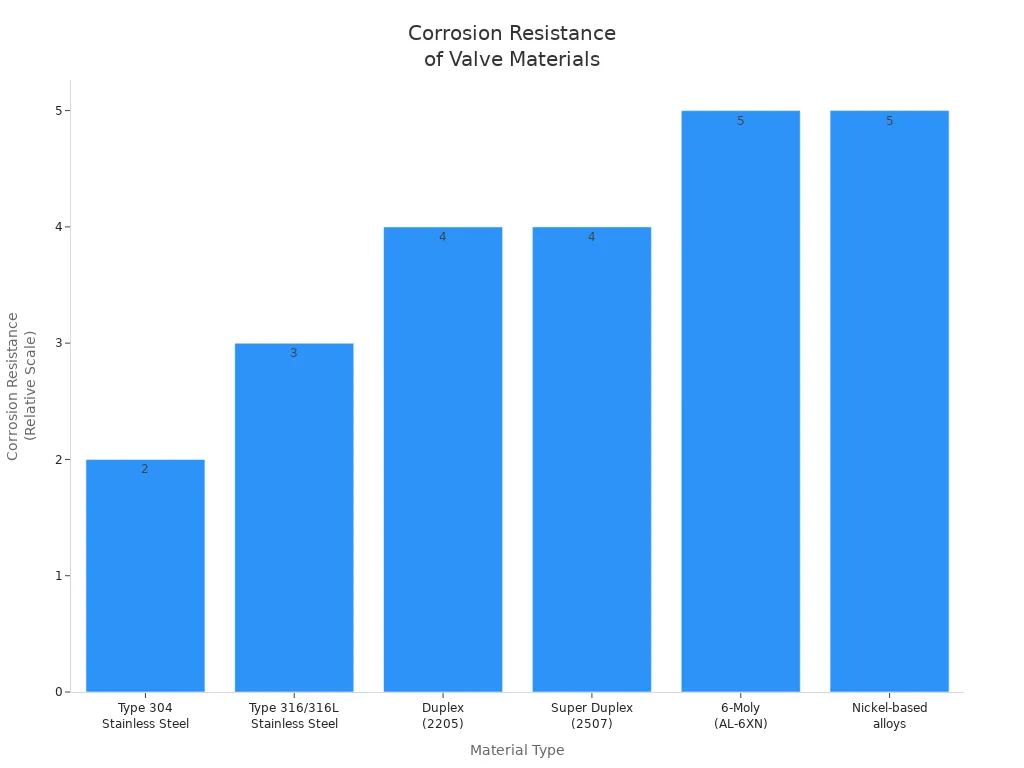
Picking rust-resistant materials makes your valve last longer. You will not need to fix it as much. The right material helps your valve fight damage from harsh chemicals.
Taking care of your valve helps it last.
Rust-resistant materials make your valve more dependable.
Pick materials that match your work area.
Your valve should handle the flow and tough places. Pneumatic gate valves work with thick liquids, slurries, and rough stuff. Didtek makes valves for things like tailings, ash, and slurries.
Performance Aspect | Description |
|---|---|
Erosion | Hard bits can wear down the valve, like sandblasting. |
Corrosion | Chemicals and acids can make normal materials weak. |
Material Selection | Ductile Iron and special stainless alloys fight rust and are harder. |
Sealing Mechanisms | Strong seals stop leaks and keep pressure inside. |
Application Areas | Good for tailings, ash, and slurries in rough places. |
These valves work well in very hot or cold places. They also work in places with lots of chemicals. Good seals stop leaks and keep pressure steady. Special materials and designs help your valve last and stay safe.
Tip: Always check your system’s flow and environment before picking a pneumatic gate valve.
Pneumatic gate valves give you many good things. They help you control flow fast and with care. You can use them in hard jobs because they are simple and strong.
These valves work well because they have few moving parts. Fewer parts mean less chance of breaking.
You do not spend much on fixing them. They need little care.
The valve opens and closes very fast. This is important for safety.
You can use them in dangerous places. They use air, so there are no sparks.
You can control how much fluid moves. This keeps your system working right.
Using air is cheap and easy in most factories.
Pneumatic gate valves help you act fast when things change. They keep people and machines safe.
Many industries use pneumatic gate valves. They work well for moving liquids, slurries, or powders. Didtek makes these valves for tough jobs.
Industry | Application Type | Description |
|---|---|---|
Oil & Gas | Upstream | Stops backflow during drilling and manages chemical injection. |
Midstream | Controls oil and gas transport and automates compressor stations. | |
Downstream | Handles flow during refining and manages corrosive byproducts. | |
Chemical Industry | Chemical Dosing | Keeps chemical additions precise and safe. |
Storage Operations | Makes loading and unloading efficient. | |
Effluent Treatment | Prevents backflow contamination during treatment. | |
Water Treatment | Flow Control | Regulates water movement and protects against leaks. |
Mining | Slurry Handling | Cuts through thick slurries and powders with ease. |
You also see these valves in mining and powder jobs. They move thick stuff and keep things running. You do not worry about clogs or fast wearing out. The valve works in wastewater plants and chemical factories too.
Tip: Pick a pneumatic gate valve if you need fast, safe, and steady flow control in hard places.
You must pick a pneumatic gate valve that fits your job. First, check what goes through your system. Is it liquid, gas, steam, or slurry? Each one needs a special valve. Think about how you want to use the valve. Some jobs need just on and off. Others need you to change the flow amount. Look at where you will put the valve. Check the space, how it mounts, and how you will connect it.
You also need to know the pressure and temperature in your system. Pick a valve that can handle these numbers. The place you put the valve is important too. Some places have chemicals or need extra safety. Cost matters as well. Think about the price to buy and the cost to keep it working. Make sure you have the right tools for putting in and caring for the valve.
Criteria | Description |
|---|---|
Fluid Type | Know if it is liquid, gas, steam, or slurry. Also, check if it is flammable or toxic. |
Operation Type | Decide if you want on/off or to control the flow amount. |
Mounting & Installation | Think about how you will mount it and what type of connection you need. |
Pressure & Temperature | Find out the highest pressure and temperature for your job. |
Environmental Factors | Check if there are chemicals or special rules for the area. |
Cost & Availability | Look at the price and how easy it is to get the valve. |
Special Tools & Requirements | Make sure you have the tools for putting in and fixing the valve. |
Tip: Write down what you need before you choose. This helps you get the best valve for your system.
You keep your pneumatic gate valve working by taking care of it. Clean the valve and actuator often. Get rid of dirt or anything stuck. Lubricate moving parts if they need it. Check seals and gaskets for damage. Change them if you see any problems. Test the actuator and limit switches to make sure they work.
You should also check the air supply. Make sure the pressure is steady. Look for leaks in the air lines. Tighten any bolts or connections that are loose. A good plan for care helps your valve last longer and work better.
Clean the valve and actuator often.
Lubricate moving parts if needed.
Check seals and gaskets for damage.
Test actuator and limit switches.
Check air supply and pressure.
Note: Taking care of your valve stops most problems and keeps your system safe.
Sometimes, your valve might not work right. You can fix many problems with easy checks. If the valve will not close, look for dirt on the blade or seat. If the actuator does not move, check the air supply and pressure. Leaks around the valve body mean you may need new seals or gaskets. If the valve moves slowly, check for low air pressure or blocked lines. If you hear noise, you may need to add oil or tighten parts.
Issue | Troubleshooting Step |
|---|---|
Valve Not Closing Properly | Look for dirt on the blade or seat. |
Actuator Not Responding | Check air supply and pressure settings. |
Leakage Around the Valve Body | Put in new seals or gaskets. |
Slow Valve Operation | Check for low air pressure or blocked lines. |
Excessive Noise During Operation | Add oil and tighten any loose parts. |
If you follow these steps, you can fix most problems fast and keep your system working well.
Now you understand how pneumatic gate valves help control flow in hard jobs. Knowing the parts and how they work helps you pick the right valve. Learning about their features lets you choose what fits your needs best. Taking care of your valve keeps your system safe and working well. Didtek makes strong pneumatic gate valves for many uses.
If you want your system to work better, check what you need and ask Didtek for help.
You get fast and reliable flow control. Pneumatic gate valves use air to move the gate. This makes them safe for explosive environments and quick to respond in emergencies.
You can check the limit switches. These switches send signals when the valve is fully open or closed. Your control system receives this feedback for safe operation.
Yes, you can. Pneumatic gate valves handle thick slurries, powders, and liquids. The strong gate and body design help prevent clogging and wear.
You should inspect and clean your valve every few months. Regular checks help you spot leaks, worn seals, or dirt. This keeps your valve working well.
You can choose from WC6, WCB, stainless steel, duplex, and nickel-based alloys. Each material offers different levels of strength and corrosion resistance for your application.


