+86-18058825678
- All
- Product Name
- Product Keyword
- Product Model
- Product Summary
- Product Description
- Multi Field Search

- Home
- Our Product
- About Didtek
- Solutions
- Exhibition Show
- Support
- News
 English

Views: 0 Author: Site Editor Publish Time: 2025-12-04 Origin: Site


A valve is more than just a mechanical component—it’s the key to controlling fluid and gas flow in any system. Choosing the right valve can feel overwhelming, but understanding what to think about when buying a valve makes the process easier. From flow control and pressure management to material compatibility and actuation methods, each factor affects performance, safety, and longevity. This valve selection guide explores practical tips, common pitfalls, and expert advice to help you pick the ideal valve for your application, whether industrial, laboratory, or process-based.
A valve is a mechanical device that helps control how fluids or gases move through a system. It opens, closes, or adjusts passageways so flow can start, stop, or change direction. Think of it as a traffic controller for liquids and gases. When a valve moves, it manages pressure, protects equipment, and keeps systems running safely. They play a huge role in pipelines, lab setups, processing plants, and even small instrumentation assemblies.
In any setup — a refinery loop, a water line, or an instrument panel — valves help maintain control. Without them, fluid systems collapse into unsafe, unpredictable behavior.
| System Need | Valve Role | Result |
|---|---|---|
| Start/Stop flow | Open or close a passage | Equipment stays safe, flow stabilizes |
| Control flow rate | Adjust opening size | Operators fine-tune performance |
| Manage pressure | Relieve or regulate pressure buildup | Prevents bursts and damage |
| Flow direction | Change or isolate routes | Supports sampling, switching, or routing |
| Stop backflow | Allow one-way movement only | Protects pumps and sensitive components |
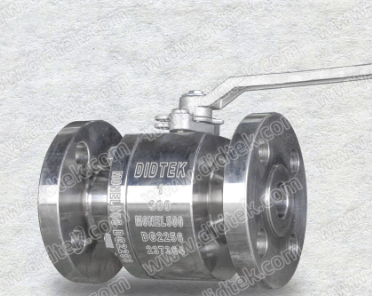
Selecting the right valve involves more than choosing a size or shape. Each system behaves differently, so every detail matters. Below are the main factors buyers should consider before making a decision.
The first step in valve selection is understanding the media flowing through the system. It affects materials, seal choice, and overall valve lifespan.
Clean fluids such as water or air flow easily through most valves, requiring standard seals and internals.
Dirty or particulate-heavy fluids like slurry, wastewater, or abrasive suspensions need valves designed to resist clogging. Valves with larger flow paths or self-cleaning mechanisms reduce buildup and wear, ensuring longer service life.
Acids, salts, and chemical mixtures can rapidly degrade metals and coatings. When corrosion is a risk:
Choose stainless steel (316/304) or corrosion-resistant alloys.
Consider protective coatings or linings to extend valve life.
Inspect material compatibility charts to avoid chemical reactions.
For oxygen, hydrogen, pharmaceutical, or semiconductor-grade gases:
Select valves certified for high-purity service.
Polished internals minimize contamination.
Avoid dead zones or crevices where media can accumulate.
Oxygen service requires hydrocarbon-free components to prevent ignition hazards.
Pressure determines the mechanical strength needed. Selecting a valve rated for your system prevents leaks and catastrophic failure.
MAWP indicates the highest continuous pressure a valve can handle safely. Ensure the system pressure stays below this rating to prevent stress or deformation.
Burst pressure is the absolute failure point, usually far above operating conditions. Never operate near burst pressure. Always design for a margin of safety to protect valves and piping.
Systems often experience sudden spikes during pump starts, rapid valve closures, or system transients. Choose valves that can withstand these surges without leaking or damaging seals.
Consider spring-loaded or pressure-relief features if spikes are frequent.
Evaluate piping layout to reduce hammer effects and sudden pressure fluctuations.
Temperature affects both the metal body and the internal seals.
Material expansion
High heat expands metal. Low temperatures shrink it. Valves must handle both without losing tightness.
Seal selection based on temperature
Elastomers crack in cold service and soften in heat. PTFE, graphite, and PCTFE handle extreme temperatures well.
Cryogenic vs high-temperature service
Cryogenic: requires extended bonnets, special greases, and low-temperature-rated seats
High heat: needs metal seats or special alloys resistant to deformation
Sizing determines how well the valve handles flow.
How to calculate the right valve size
Cv tells you how much flow passes at a set pressure drop. Use flow rate, media density, and line pressure to calculate it.
Why oversizing or undersizing causes problems
Oversized valves jump from closed to almost full flow instantly.
Undersized valves restrict flow and strain pumps.
The goal is smooth, stable, and predictable flow control.
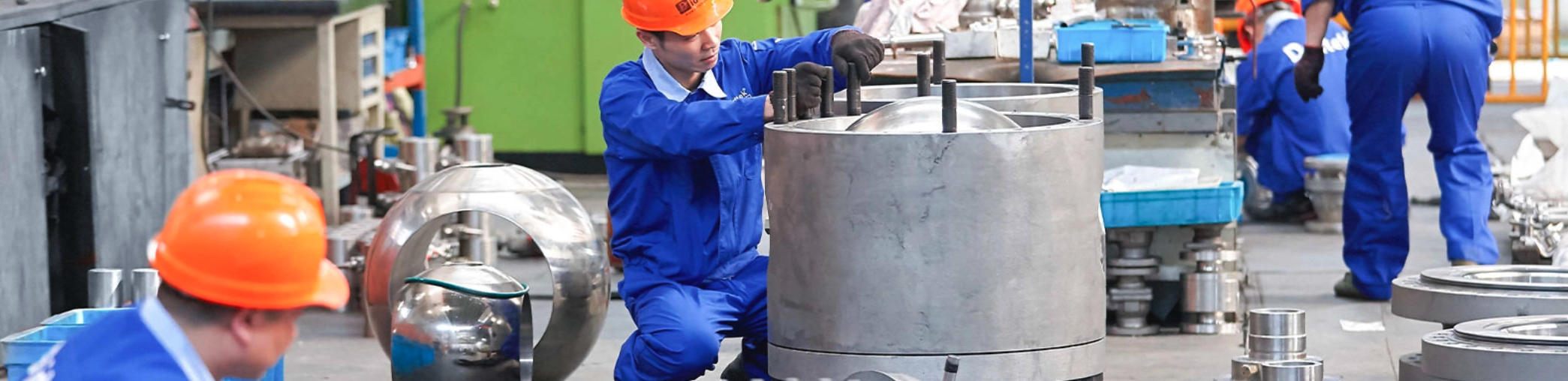
(Threaded, Flanged, Welded, Compression, Tube Fittings)
Connections decide how secure and serviceable the valve is.
Choosing based on maintenance frequency
Threaded: simple, good for low-pressure systems
Welded: permanent, no leak points
Flanged: easy removal for repairs
Compression and tube fittings: ideal for instrumentation or gas panels
Leak risk and space limitations
Tight spaces often require compact tube fittings. High-pressure gas systems need leak-resistant metal-to-metal seals.
Different metals and polymers provide different strengths.
| Material | Strengths | Typical Use |
|---|---|---|
| 316 SS | Corrosion resistance | Chemical lines, offshore systems |
| 304 SS | Affordable, clean-service friendly | General water, food-grade spaces |
| Carbon Steel | Strong, cost-effective | High-pressure steam or oil |
| Brass | Easy machining, good for low-pressure | HVAC, lab water |
| Monel / Hastelloy | Extreme corrosion resistance | Harsh chemicals, acids |
| PTFE, PCTFE, FKM, EPDM | Durable seals | Gas panels, high-purity, high-temp |
Material must match both the fluid and the environment.
The way a valve is operated affects both cost and functionality. Choosing the right actuation method ensures efficient control, safety, and long-term reliability.
Manual valves are simple and dependable. They require no power source, making them low-cost and easy to install. Ideal for small systems or infrequent adjustments, they allow operators to directly control flow. However, they can be slower and labor-intensive for high-cycle or remote applications.
Electric actuators enable remote operation and precise control over flow or pressure. They are well-suited for automated processes, integration with control systems, or applications requiring repeatable positioning. While they increase upfront costs, they reduce manual labor and improve process consistency.
Pneumatic actuators use compressed air for rapid and powerful valve movement. They are ideal for large valves, high-cycle processes, or environments where fast response is critical. Pneumatic systems can be more tolerant of harsh conditions, but they require a reliable air supply and periodic maintenance to ensure optimal performance.
Fail-safe design ensures the valve responds safely during power loss or system failure:
Fail-close: Valve automatically shuts, preventing fluid loss or overpressure.
Fail-open: Valve opens to protect system pressure or maintain flow.
Fail-last: Valve holds its last position, maintaining process continuity.
Selecting the correct fail-safe mode depends on safety regulations, process requirements, and risk assessment.
Seals and seats are essential for controlling leakage. Their design directly impacts valve durability, efficiency, and reliability in demanding operating conditions. Choosing the right design ensures your system remains safe and leak-free under pressure, temperature, or abrasive media.
Soft seats (PTFE, elastomers) provide superior sealing for low to moderate temperatures and non-abrasive fluids. They are ideal for applications requiring tight shutoff but limited exposure to heat or aggressive chemicals.
Metal seats handle extreme heat, high pressures, and abrasive or corrosive fluids. While they may allow minimal leakage under certain conditions, they are far more durable in harsh industrial environments.
Leakage limits are governed by industry standards. API, ANSI, and ISO classifications define acceptable leakage rates for different applications. Following these standards ensures the valve meets regulatory requirements and reduces the risk of environmental contamination or product loss.
Valves used in oxygen service require specialized cleaning processes. All components must be free of oils, greases, or hydrocarbons to prevent fire hazards. Oxygen-cleaned valves often undergo inspection and certification to confirm they are safe for high-purity and high-pressure oxygen systems.
Regular maintenance and accessibility are key to ensuring valves perform reliably over time. Proper planning minimizes downtime, reduces replacement costs, and extends service life.
The frequency of maintenance depends on the system and fluid type. Valves in high-cycle applications, abrasive fluids, or dirty media require regular inspections and lubrication. Low-cycle or clean gas systems need less frequent attention but still require periodic checks to confirm proper operation.
Valves designed with replaceable seats, stems, and seals allow for targeted maintenance. This design feature reduces the need to replace the entire valve and can significantly lower operating costs while maintaining system reliability.
Ensuring spare parts are readily available is critical for operational continuity. Easy access to components like stems, seats, seals, or actuators minimizes unplanned downtime and allows maintenance teams to respond quickly to system issues, keeping processes running smoothly.
The main factors include the media type, system pressure, temperature range, flow requirements, and whether the valve needs automation. Matching the valve function—on/off, flow control, directional, or pressure protection—to your application is the first step.
Soft-seated valves (PTFE, elastomers) are best for low to moderate temperatures and clean media. Metal-seated valves handle high temperatures, abrasive or corrosive fluids, and heavy-duty industrial applications.
Manual valves are low-cost, simple, and reliable for small systems. Automated valves (electric or pneumatic) are better for high-cycle, remote, or precision-controlled processes. Safety and fail-safe requirements also influence this choice.
Check material compatibility charts. Use stainless steel, alloys, or lined valves for corrosive fluids. For toxic or high-purity gases, choose polished, oxygen-cleaned valves and designs that avoid contamination traps.
Choosing the right valve doesn’t have to be confusing. By considering media type, pressure, temperature, and actuation needs, you can find a solution that keeps your system running smoothly and safely. Remember, each valve decision impacts efficiency, maintenance, and long-term reliability.
At Didtek Valve Group Co., Ltd., we offer a wide range of valves designed to meet diverse industrial and laboratory needs. Explore our products and expert guidance to ensure you select a valve that truly fits your application and keeps your operations performing at their best.


