+86-18058825678
- All
- Product Name
- Product Keyword
- Product Model
- Product Summary
- Product Description
- Multi Field Search

- Home
- Our Product
- About Didtek
- Solutions
- Exhibition Show
- Support
- News
 English

Views: 0 Author: Site Editor Publish Time: 2026-06-16 Origin: Site


When you want the best wafer check valve for factories, you see top picks like Lansdale and Didtek Swing Check Valve. Wafer check valves have clear benefits over swing check valves.
You save space because they fit between flanges.
They are lighter, so they help in oil and gas work.
You spend less money to put them in and keep them working.
These valves follow strict ASME rules for safety.
Picking the right check valve is important. You keep water and wastewater systems safe and make your work run better.
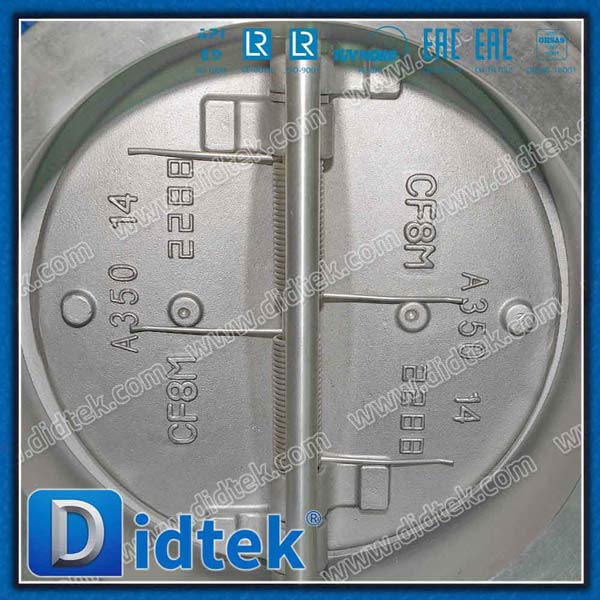
When you pick wafer check valves, you need to think about what makes them work well and last long. These things help you choose the right valve and stop expensive problems.
You want wafer check valves that can handle tough places. First, know what your system needs. Think about what fluid goes through, how hot it gets, and how much pressure there is. Pick materials that fight rust and damage. SS316 is good for rough places. PTFE-lined valves are best for strong chemicals. Check the pressure rating and size so it fits your pumps. This keeps things safe and helps the valve last longer.
Material Type | Description |
|---|---|
SS316 | Corrosion resistance in harsh environments |
PTFE-lined | Chemical resistance for aggressive fluids |
Alloy steel | Strength and durability for industrial applications |
Flow efficiency is important in factories. Wafer check valves let fluids move easily and lower pressure drop. This helps your pumps work better. Pick the right size for your pipes and flow rate. This saves energy and space.
You need to match the valve material to your fluid and where you use it. Stainless steel, carbon steel, and PVC are common choices. Use the table above to compare them. Always check if the material works with your fluids. This stops leaks and problems.
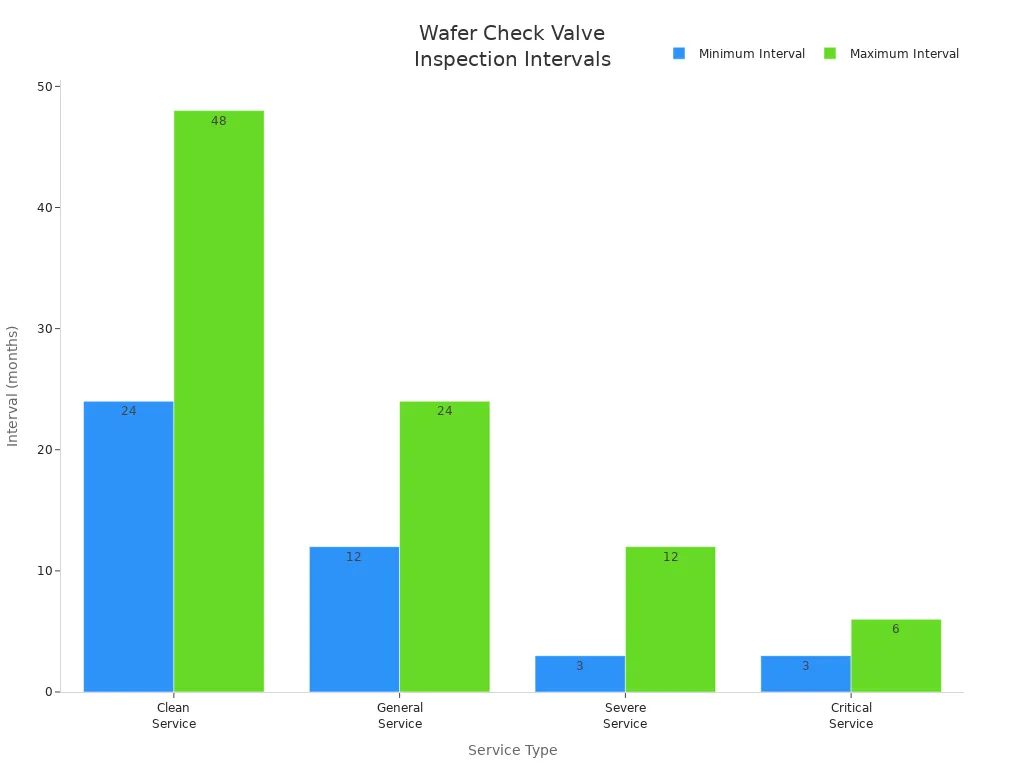
You can spend less on fixing valves if you pick ones that are easy to reach and fix. Plan to check them often, depending on how you use them. For clean jobs, check every 24–48 months. For hard jobs, check every 3–12 months.
Think about how much space you have to install the valve. Wafer check valves fit between flanges, so they are good for small spaces. Watch out for problems like parts not lining up or bolts not tight enough. Teach your team how to install them the right way. This makes sure the valve works well and lasts.
Tip: Leave a straight pipe section at least six times the valve diameter at the pump outlet for best results.
Lansdale wafer check valves are used in many factories. These valves work well and are simple to install. They fit in small spaces between flanges. Lansdale uses strong materials like stainless steel and carbon steel. This makes the valve resist rust and last longer.
Lansdale wafer check valves are good for water and wastewater systems. They cause low pressure drop, so pumps work better. You do not need much maintenance because there are few moving parts. You can pick from many sizes and pressure ratings. Lansdale is a smart choice for many factory jobs.
Note: Lansdale wafer check valves follow ASME standards. You get safe and high-quality products.
Pros:
Small design saves space
Strong materials fight rust
Simple to install and fix
Cons:
Not many choices for tough chemical jobs
Ideal applications:
Factories, water and wastewater treatment, oil and gas, chemical processing
Didtek swing check valves help control fluid and stop backflow. They have a simple design with a swinging disc. The disc opens when fluid moves and closes when flow goes back. This keeps your system safe from harm.
Didtek has many types of swing check valves. You can pick stainless steel or cast steel for hard jobs. These valves are good for water, wastewater, chemical plants, and oil and gas sites. They give strong performance and are reliable. Didtek checks every valve to meet industry rules.
You spend less on fixing because Didtek valves are built strong. You can choose different sizes and pressure ratings. Didtek offers special options like heat jacketed or flanged designs.
Here is a table showing what users like about Didtek swing check valves:
Advantages of Swing Check Valves | Disadvantages of Swing Check Valves |
|---|---|
Simple design with few parts | Bigger and heavier, need more space |
Lets all flow through, so less pressure drop | Not good for small or up-and-down pipes |
Low head loss means better work and lower costs | Cost more at first than wafer check valves |
Easy to fix and maintain in big systems | N/A |
Good price for steady flow and medium pressure jobs | N/A |
Pros:
Simple design means fewer parts to fix
Low head loss saves energy
Easy to fix in big systems
Good for steady flow and medium pressure
Cons:
Needs more space to install
Not best for small or vertical pipes
Ideal applications:
Water and wastewater treatment, oil and gas, chemical processing, large industrial systems
You have more choices for wafer check valves. Some brands are known for being reliable and high quality.
KELOR: You get steady quality and good prices. KELOR is India’s biggest supplier and maker of industrial valves.
Check-All Valve: You find many check valve choices. This brand only makes check valves and has special products for many uses.
DFT Inc.: You get over 70 years of skill. DFT Inc. makes top in-line silent check valves and vacuum breakers.
You can count on these brands for tough jobs. They have products for many factory needs. You see strong performance and long life.
Tip: Always compare features and materials before picking a wafer check valve. This helps you match the valve to your system and avoid trouble.
When you look at wafer check valves, you see they are different. You want to find the valve that gives you the best deal. You also want high efficiency and easy care. The table below shows these points so you can compare.
Brand/Model | Cost | Efficiency | Maintenance Requirements | Best Use Cases |
|---|---|---|---|---|
Lansdale Wafer Check | Low initial cost | High flow, low drop | Simple, few moving parts | Water, wastewater, oil & gas |
Didtek Swing Check | Moderate cost | Low head loss | Easy to inspect and repair | Chemical, oil & gas, large pipelines |
KELOR Wafer Check | Affordable | Good for general use | Basic cleaning needed | Industrial, utility, HVAC |
Check-All Valve | Varies by model | Custom flow options | Regular checks recommended | Special fluids, custom systems |
DFT Inc. Silent Check | Higher upfront cost | Silent, smooth flow | Minimal, long intervals | High-pressure, noise-sensitive areas |
Wafer check valves are good because they cost less. Their simple shape means you pay less at first and save money later. They work well because fluid moves easily through them. Pumps do not need to work hard, so you use less power.
Wafer check valves are easy to take care of. You just need to check and clean them often to keep them working.
Here are the main good things about wafer check valves:
They save space because they fit between flanges.
They cost less because they have fewer parts.
They help your system work well with steady flow.
They cut downtime since fixing them is fast and simple.
Wafer check valves work in many places. You can use them in water treatment, chemical plants, oil and gas, and more. Each brand has special features, but all wafer check valves have these main strengths.
It is important to pick the right wafer check valve for your system. Every job needs something different. You must match the valve’s features to what your system needs. Here are some things to think about:
Flow matters a lot. Pick wafer check valves that fit your flow rate. This keeps the disc in place and stops extra movement.
Pressure is important. Choose a check valve that can handle normal and sudden pressure. The way it closes helps stop problems.
Fluid compatibility is key. Pick materials that resist rust or damage. Stainless steel and PTFE-lined valves are good for strong chemicals.
How you install the valve changes how it works. Some wafer check valves use gravity, others use springs. Make sure you pick the right way for your pipes.
Maintenance is different for each valve. Choose wafer check valves that are easy to check and fix.
Industry standards help you pick the best valve. Look at rules like API 594 for quality and performance.
Tip: Always check your system’s flow and pressure before picking wafer check valves. This helps you avoid expensive mistakes.
You need to know how to pick wafer check valves without making mistakes. Many people have trouble because they miss important details. Here are mistakes you should not make:
Wrong sizing. Do not just match the valve size to the pipe size. Check the flow needs first. This stops bad performance.
Picking the wrong valve for your job. Make sure the check valve fits your factory work. The wrong valve can cause problems.
Water hammer can hurt your system. Pick wafer check valves that protect against water hammer. Fast changes in fluid can cause big pressure and damage.
Valve location matters. Leave enough space from other parts. Bad placement causes turbulence and makes the valve fail.
Flow conditions are important. Make sure the wafer check valves stay open when fluid moves.
Do not use swing check valves in vertical pipes. Axial flow wafer check valves work better for these pipes.
Oversizing is bad. Do not pick valves that are too big. They can shake and break faster.
Reverse flow can cause damage. Use fast-closing wafer check valves at pump outlets to stop this.
Note: Always check wafer check valves after you install them. This helps you find mistakes early and keeps your system safe.
You have learned about the best wafer check valves for factories. Each wafer check valve has special strengths for different jobs. Look at the comparison table and expert tips to help you pick the right valve for your system. The table below shows how single plate and dual plate wafer check valves are different:
Feature | Single Plate | Dual Plate |
|---|---|---|
Cost | Low cost, simple use | Better efficiency, less pressure drop |
Water Hammer | More likely | Less likely |
Best for | Projects with small budgets | Jobs needing long-lasting reliability |
You must match wafer check valves to your needs because:
Wafer check valves stop backflow and keep pipes safe.
They protect your system from too much pressure and damage.
Their thin shape fits in small spaces.
They work on their own, so your system stays reliable.
Pick the wafer check valves that fit your needs for the best results.
A wafer check valve keeps fluid from going backward. You put it between two flanges. Its thin shape saves space and weight in pipes.
You pick the valve material based on your fluid and where you use it. Stainless steel is good for water and mild chemicals. PTFE-lined valves are best for strong acids. Always look at compatibility charts before buying.
Check wafer check valves every 24–48 months for clean water. For harsh chemicals or dirty fluids, check them every 3–12 months. Regular checks help stop leaks and system failures.
Some wafer check valves work in vertical pipes. Always read the manufacturer’s instructions first. Dual plate wafer check valves usually do better in vertical setups.


