+86-18058825678
- All
- Product Name
- Product Keyword
- Product Model
- Product Summary
- Product Description
- Multi Field Search

- Home
- Our Product
- About Didtek
- Solutions
- Exhibition Show
- Support
- News
 English

Views: 0 Author: Site Editor Publish Time: 2026-05-28 Origin: Site


A slab gate valve is a sliding valve with a flat wedge that closes. You use the slab gate valve to open or close pipes and control flow. When you turn the valve, the slab goes up or down. This lets liquid move through or stops it. Knowing about the slab gate valve helps you see why it matters in oil and gas, water cleaning, and chemical work. New materials and machines make the slab gate valve a good choice for today’s industry needs. By learning about the slab gate valve, you can pick the right tool for your work.
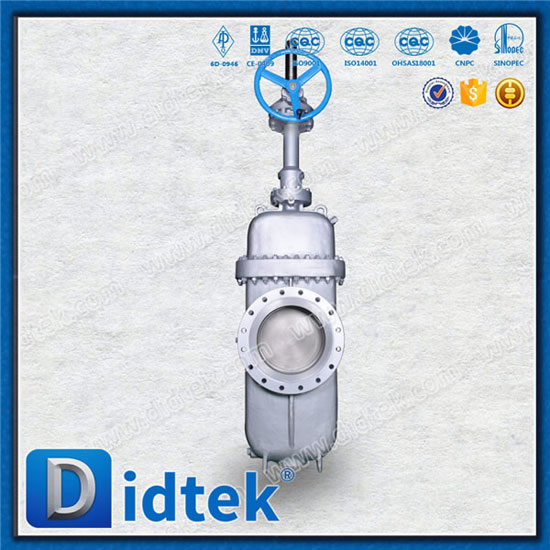
When you look at a slab gate valve, you see several important parts working together. Each part helps the valve control flow and keep your system running smoothly. The table below shows the features and key components of a slab gate valve and explains what each one does:
Component | Function |
|---|---|
Closing Member | A parallel gate that slides to open or close the flow. |
Floating Valve Seat | Lets you open and close the valve both ways and keeps the seal tight. |
Guide Bars | Help the gate move straight and smooth for better accuracy. |
Sealing Surfaces | Made with hard alloy to fight erosion and last longer. |
Valve Body | Holds everything together and gives a straight path for fluid, lowering flow resistance. |
Composite Packing | Seals the valve stem and makes turning the valve easy. |
Double Seal Mechanism | Lets you replace worn parts without stopping the pipeline. |
These features and key components make the slab gate valve a strong choice for many industries. You get reliable sealing, easy operation, and simple maintenance.
The through-conduit design is a standout feature of the slab gate valve. This design means the inside of the valve matches the size of your pipeline. When you open the valve, fluid flows straight through without hitting any obstacles. You get less turbulence and almost no pressure drop. This helps your system use less energy and keeps the flow steady. The through-conduit design also lowers the risk of clogging, which is important when you move thick or dirty fluids. You can trust this design to keep your operations smooth and efficient.
Tip: If you want to keep your pipeline running at top performance, choose a slab gate valve with a through-conduit design.
You want a valve that lasts and stands up to tough jobs. Didtek builds its slab gate valve with strong materials like carbon steel and cast steel. These materials handle high pressure and harsh environments. The valve body is thick and sturdy, so it can take heavy loads. Didtek also adds user-friendly features, such as bevel gear operators for easy manual use and flanged connections for quick installation. You can open the valve for inspection or repairs without much trouble. This makes the slab gate valve a smart pick for oil and gas, water treatment, and chemical plants. You get a product that meets strict industry standards and keeps your system safe.
When you use a slab gate valve, you control the flow in your pipeline by moving a flat gate up or down. This simple action lets you start or stop the movement of liquids or gases. The process begins when you turn the handle. The handle connects to the valve stem nut, which moves up or down as you turn it. The valve stem follows the same direction as the nut. This movement pushes the gate inside the valve body. When the gate rises, the path opens, and fluid flows freely. When the gate lowers, it blocks the passage and stops the flow.
Here is a table that shows the main parts involved in this mechanism and what each part does:
Component | Function |
|---|---|
Valve Stem Nut | Moves axially when you turn the handle, allowing for quick operation of the valve. |
Valve Stem | Moves in the same direction as the valve stem nut, helping to open and close the gate. |
Handle | Lets you turn the valve stem nut, starting the opening or closing process. |
Support Bracket | Holds the valve stem nut and gives support to the moving parts. |
Valve Cover | Protects and encloses the inside parts of the slab gate valve. |
This design makes the slab gate valve easy to use. You can quickly open or close the valve with a few turns of the handle. The clear movement of the gate helps you see exactly how a slab gate valve works.
A slab gate valve gives you strong sealing and smooth flow control. When you close the valve, the flat gate drops between two seat rings. These rings press against the gate and create a tight seal. This action stops leaks and keeps your system safe. The sealing mechanism works well even when you use the valve in high-pressure or high-temperature settings.
The table below explains how the slab gate valve achieves effective sealing and flow control:
Mechanism/Feature | Description |
|---|---|
Sealing Mechanism | The gate lowers between two seat rings, making a leak-proof closure. |
Flow Control | The gate lifts fully out of the way when open, so fluid passes freely. |
Pressure and Temperature Resistance | Built to work under tough conditions without losing sealing power. |
Tight Seal and Minimal Pressure Drop | Keeps a strong seal and lets fluid move with little resistance. |
You get a reliable seal every time you use the slab gate valve. The design also means you see very little pressure drop when the valve is open. This helps your system run more efficiently. You can trust the slab gate valve to keep your pipeline safe and your flow steady.
Note: Good sealing is important for safety and efficiency. Always check the valve seats for wear during routine inspections.
You can operate a slab gate valve in two main ways: by hand or with a gear system. For smaller valves, you usually turn the handle yourself. This method gives you direct control and works well for most jobs. For larger valves or when you need more force, you use a bevel gear operator. The gear system makes it easier to turn the valve, even when the pressure is high or the valve is big.
Manual Operation:
You grip the handle and turn it. The handle moves the valve stem nut, which moves the gate up or down. This method is simple and fast for most uses.
Gear Operation:
The bevel gear operator multiplies your turning force. You turn a wheel or lever, and the gears help move the gate with less effort. This is helpful when you need to open or close the slab gate valve in tough conditions.
Both methods give you control over the operation of the slab gate valve. You can choose the best option for your system and make sure you get smooth, reliable performance every time.
If you want easy operation and less effort, choose a slab gate valve with a gear operator for larger pipelines.
You want your system to stay safe from leaks. The slab gate valve has smart features that help stop leaks. The table below shows how each part helps keep leaks away:
Feature Description | Contribution to Leak-Proof Performance |
|---|---|
Braided graphite gaskets in the stem seal | Keeps the seal tight and lets you add sealant if needed. |
ENP coated seats with thermoplastic soft insert | Creates a double face seal for better reliability. |
Spring-loaded floating seats | Gives a strong seal even when pressure changes. |
Metal-to-metal seating with HVOF Tungsten Carbide coating | Makes the valve tough and leak-resistant, even with rough fluids. |
Self-sealing packing | Stops leaks and helps you reach zero leakage. |
All these features work together to give you strong sealing. You can trust the valve to keep fluids inside the pipeline. It works well even when things get tough. Didtek makes each valve to meet strict rules, so you can feel safe.
You need a valve that can handle high pressure and heat. The slab gate valve works in many different conditions. The table below shows the pressure and temperature limits:
Specification | Detail |
|---|---|
Pressure Class | ASME 150 - ASME 2500, API 5000 - API 10000 |
Temperature Range | -150 to 662°F (-101 to 350°C) |
This means you can use the valve in cold or hot places. Strong materials like carbon steel and cast steel help the valve last longer. You get safe and steady performance, even when the job is hard.
You want your system to keep running without long stops. The slab gate valve is easy to take care of. Here are some steps to help you keep your valve working well:
Check the valve often for wear, rust, or leaks.
Make a schedule to inspect the valve based on how much you use it.
Write down what you find and fix problems right away.
Clean the valve during checks to get rid of dirt.
Lubricate moving parts when needed.
Didtek makes its valves easy to open and fix. This helps you save time and money. You get a valve that works well and is simple to care for, which makes it a good choice.
Tip: Doing regular maintenance helps your slab gate valve last longer and keeps your system safe.
Slab gate valves are used a lot in oil and gas pipelines. These valves help control how materials move through pipes. You can use them for many jobs:
Move gas over long distances in pipelines.
Carry crude oil safely from place to place.
Move oil products between different locations.
These pipelines need valves that can handle high pressure. Slab gate valves are strong and keep the pipeline safe. They help stop leaks and work well, even when things get tough.
Slab gate valves are also used in water and chemical industries. These places need valves that last long and do not break easily. There are many good things about using slab gate valves:
They are strong and reliable, so your system keeps working.
You do not have to fix them often, which saves time.
They let water and chemicals flow smoothly, so you save energy.
They seal both ways, so they work under different pressures.
You can use these valves in water plants, chemical factories, and power plants. They can handle high pressure and do not get damaged by harsh chemicals. This makes them a good choice for hard jobs.
Slab gate valves are used in many other industries too. Power plants, mines, and big factories all need strong valves. These valves help control steam, slurry, or other fluids. They work well in many places. Slab gate valves are useful and can be used in lots of ways. You can trust them to keep your system safe and working well.
Tip: Pick a slab gate valve when you need strong flow control in tough places.
When you pick a valve, you might look at the flat gate valve and the wedge gate valve. Both help control flow, but they work in different ways. The flat gate valve has a flat gate that moves up and down. It always touches the seat. This helps keep dirt and sand out of the sealing area. You can use the flat gate valve with fluids that have particles. The wedge gate valve uses a wedge-shaped gate. When you open it, the gate and seat move apart. This can let dirt get inside and cause leaks.
Here is a table that shows the main differences:
Feature | Flat Gate Valve | Wedge Gate Valve |
|---|---|---|
Design | Simple, flat gate | Wedge-shaped gate |
Flow Resistance | Very low, like a straight pipe | Higher than flat gate valve |
Particle Handling | Good for fluids with particles | Not as good, particles can cause sealing issues |
Sealing Performance | Good for frequent use | Excellent at high pressure |
Operating Torque | Lower | Higher |
Maintenance | Easier | More complex |
Cost | Usually lower | Usually higher |
Application | Pipelines, dirty fluids, frequent operation | High-pressure, clean fluids |
The flat gate valve lets fluid move easily. It is great for long pipelines. It needs less force to turn and is simple to fix. The wedge gate valve is best for high pressure and clean fluids. It gives a tight seal but does not handle dirt well.
Tip: If your fluid has sand or dirt, use the flat gate valve. It seals better and causes fewer problems.
You should think about a few things before picking a flat gate valve. Every system is different, so match the valve to your needs.
Application scenarios: Think about where you will use the valve. The flat gate valve works well in oil, gas, water, and chemical pipes.
Material selection: Pick the right material for your fluid. Carbon steel and stainless steel last longer in tough places.
Sealing performance: Make sure the valve can stop leaks, even under high pressure or heat.
Temperature adaptability: Check if the valve can handle hot or cold conditions.
Media characteristics: Look at what flows in your pipes. The flat gate valve is good for fluids with particles.
Operational frequency: If you open and close the valve a lot, the flat gate valve is a smart pick.
Maintenance needs: Choose a valve that is easy to check and fix. The flat gate valve lets you do repairs quickly.
Doing regular checks and picking good materials helps your flat gate valve last longer and keeps your system safe.
You can use the slab gate valve when you want strong flow control, easy care, and good sealing. It works well in pipelines with thick or dirty fluids.
You now know how a slab gate valve works and why it matters in tough industries. This valve gives you positive sealing, fire-safe construction, and low emission packing. You can use it in oil, gas, water, and chemical pipelines. Didtek’s design meets strict standards and shows zero field failures. When you choose a valve, look at flow needs, pressure, and maintenance. Pick the right valve to keep your system safe and efficient.
You use a slab gate valve to start or stop flow in pipelines. It works best in oil, gas, water, and chemical systems. You get strong sealing and smooth flow.
You can turn a handle for small valves. For larger valves, you use a gear operator. Both methods let you open or close the valve with little effort.
You get a valve made from strong materials like carbon steel. Didtek valves last long, resist leaks, and meet industry standards. You can trust them in tough jobs.
You should inspect your valve regularly. Check for leaks, rust, or wear. Clean and lubricate moving parts. Regular checks help your valve last longer and keep your system safe.


