+86-18058825678
- All
- Product Name
- Product Keyword
- Product Model
- Product Summary
- Product Description
- Multi Field Search

- Home
- Our Product
- About Didtek
- Solutions
- Exhibition Show
- Support
- News
 English

Views: 0 Author: Site Editor Publish Time: 2025-08-12 Origin: Site


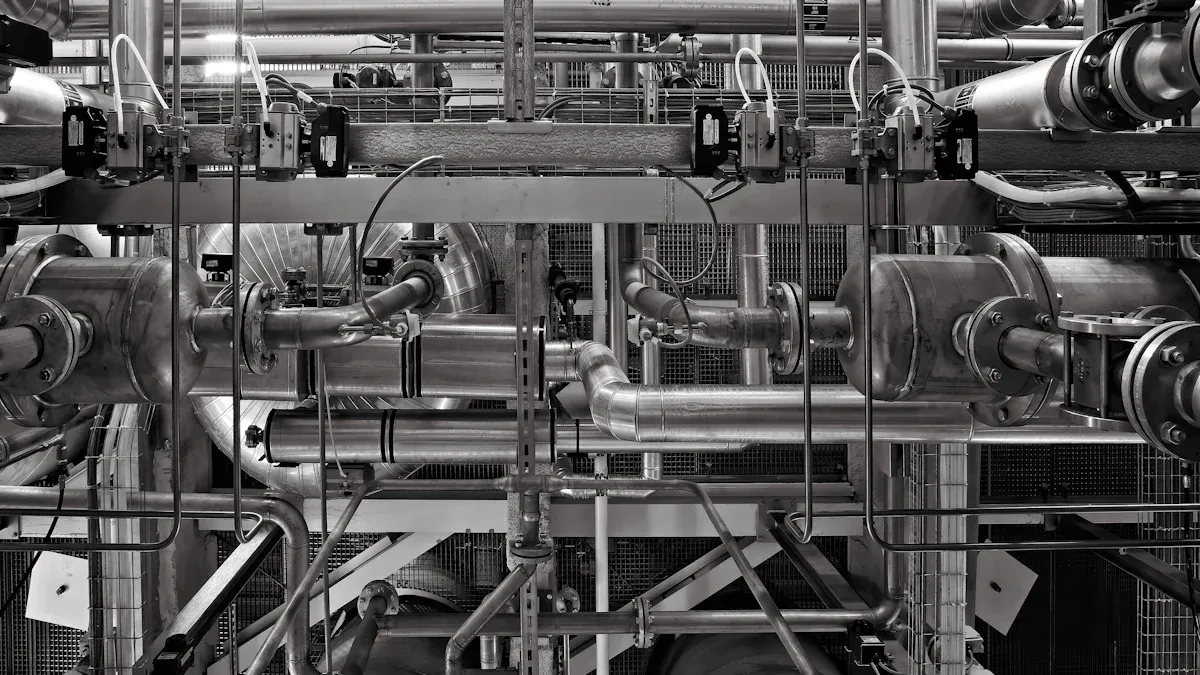
There are 8 main things that make floating ball valves different from trunnion ball valves. The floating ball valve vs trunnion: 8 difference you need to know are design, pressure rating, torque, size range, cost, sealing, maintenance, and uses. Top makers say these differences matter in real life. Market data shows trunnion valves are used more in high-pressure jobs, especially in Asia-Pacific. Floating ball valves are picked for projects that need to save money. The floating ball valve vs trunnion: 8 difference you need to know help buyers choose wisely. Use this floating ball valve vs trunnion: 8 difference you need to know guide to compare both types. When you look at floating ball valve vs trunnion: 8 difference you need to know, clear facts help you get better results.
Floating ball valves are simple and cheap. They work best for small pipes. They are good for low or medium pressure.
Trunnion ball valves can handle high pressure. They are strong and stable. They work well for big pipes. They need less force to use.
Floating ball valves need more force at high pressure. Trunnion valves need less effort to turn.
Trunnion ball valves stop leaks better. They last longer because of their fixed ball and spring seats.
Floating ball valves are easier and faster to fix. Trunnion valves last longer if experts take care of them.
Pick floating ball valves for easy fixes and low-cost jobs. Choose trunnion valves for hard, high-pressure work.
Always pick the right valve for your system. Think about pressure, size, and safety for best results.
Trunnion ball valves cost more at first but last longer. They save money over time. Floating ball valves cost less at first but may need more repairs.
A floating ball valve is a quarter-turn valve. It uses a hollow ball that floats inside the valve body. The ball moves a little when pressure is applied. This helps the ball press against the seat and make a tight seal. Many industries use floating ball valves. They are found in water treatment, oil and gas, and chemical plants. The valve is built to shut off flow well. It is also easy to use, even in tough places.
The main parts and features of a floating ball valve are listed below:
Component/Feature | Description/Material/Feature |
|---|---|
Ball | The ball floats and is made for smooth turning and good sealing. |
Seats | Seats are soft (PTFE) or hard (metal) and help seal the valve. |
Stem | The stem links the handle or actuator to the ball and turns it. |
Body | The body holds all the parts. It can be made from WCB, CF8M, brass, bronze, or special alloys. |
Seals and Packing | These parts stop leaks around the stem and keep out dirt. |
Design Features | The valve can have two or three pieces, full or reduced bore, and fire-safe or anti-static features. |
Materials for Seats/Seals | Seats and seals can be PTFE, RTFE, graphite, or metal, based on what the system needs. |
Trim Materials | The trim can be 316 stainless steel, nickel plated, or chrome plated to stop wear and rust. |
Industry Standards | These valves follow rules like API 608, API 598, ASME B16.34, and ISO 5211. |
Choosing the right material is very important. Stainless steel does not rust and can handle heat. It is good for harsh places. Carbon steel is strong and costs less for easier jobs. Brass and PVC/CPVC are used for water and low-pressure systems. Picking the best material helps the valve last longer and work well.
Floating ball valves work in a simple way. The valve has a hollow ball with a hole in the middle. When you turn the handle, the stem turns the ball 90 degrees. If the hole matches the pipe, fluid can move through. If the ball turns sideways, it blocks the flow.
The ball floats inside the valve body. Flexible seats hold the ball in place. When pressure rises, the ball moves a bit and presses on the seat. This makes a tight seal and stops leaks. The valve can seal from both directions. It also needs little force to open or close.
Tip: Floating ball valves are great for systems that need a strong shutoff and easy use.
Floating ball valves have special features. They are small and light, so they are easy to put in and take care of. The self-sealing design keeps the valve shut tight, even if pressure changes. You can pick full bore or reduced bore types for different flows.
Some main benefits are:
They seal well and stop leaks.
They cost less, so many people can use them.
They are easy to fix, with two or three-piece bodies.
They work with many materials, like stainless steel and plastics.
These features make floating ball valves good for homes, businesses, and light industry. Their design and benefits help them work well and last a long time.
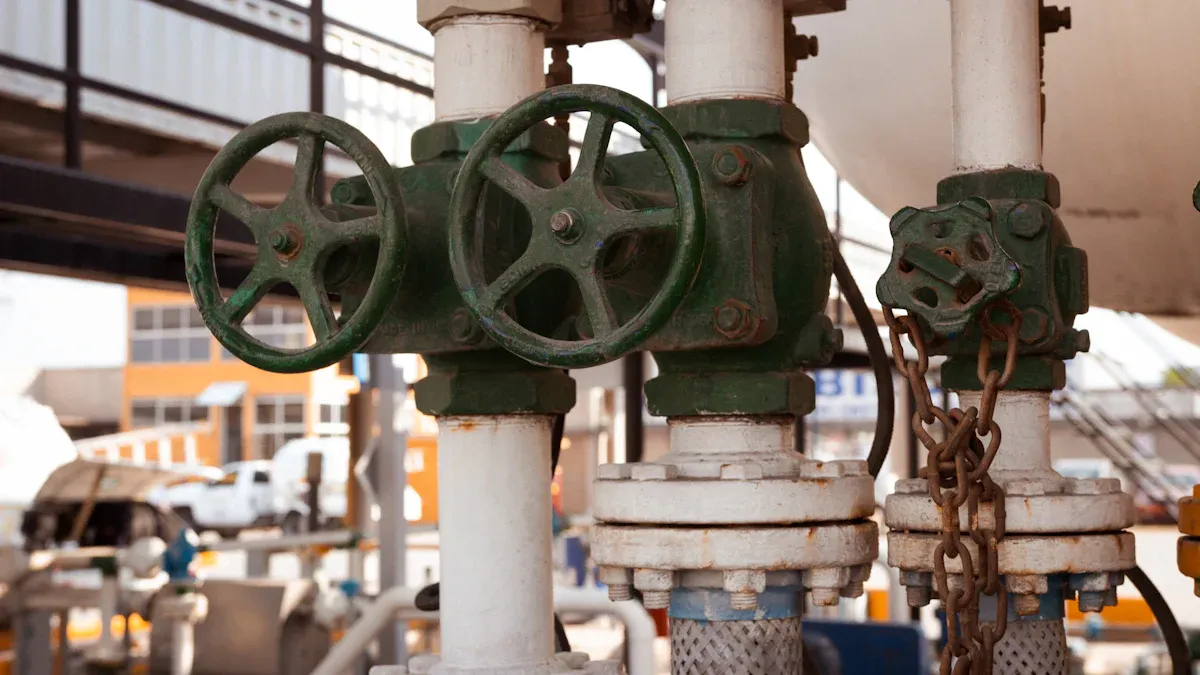
A trunnion ball valve has a ball that does not move. The ball is held in place by trunnions at the top and bottom. These trunnions keep the ball steady and stop it from shifting with the flow. This design lets the valve handle high pressure and big sizes. Many industries use trunnion ball valves in oil, gas, and chemical plants. They pick these valves because they need strong shutoff and control.
The table below shows common materials and standards for making trunnion ball valves:
Feature | Specification |
|---|---|
Body Material | High grade carbon steel, A105N, Duplex stainless steel |
Ball and Stem | 304 or 316 stainless steel |
Seat Material | 25% carbonized PTFE (Teflon), Devlon (PEEK) |
Seal Materials | HNBR, FKM, AFLAS, James Walker 101/985 |
Design Standard | API 6D, ASME B16.34, API 607 (fire safe), CSA Z245.15.2017 |
Welding Standards | AWS D1.1 (for full welded valves) |
Additional Features | Full port, anti-static device, anti-blowout stem, fire safe |
Trunnion ball valves follow strict rules for safety and how well they work. They use strong materials that do not rust or wear out fast. This makes them a good pick for tough places.
A trunnion ball valve works in a special way. The ball stays fixed between two trunnions. When you turn the handle or actuator, the ball turns 90 degrees. This opens or closes the path for flow. The trunnion support keeps the ball steady and makes it easier to use the valve.
There are some good things about this design:
The ball is held at both ends, so pressure is spread out and the seats are safe.
The valve only needs a quarter turn to open or close, which is quick and easy.
Special seat designs, like Single Piston Effect and Double Piston Effect, help with pressure relief and sealing both ways.
The trunnion support stops the ball from moving the wrong way, so the valve works well even when pressure is high.
Note: The way a trunnion ball valve works helps it control flow safely and exactly, even in hard jobs.
Trunnion ball valves have features that make them great for tough jobs. These valves give:
A full-bore design for smooth flow and less pressure drop.
The ball is held by bearings, which stops bending and keeps the valve steady.
Low torque is needed, so smaller actuators can be used and costs are lower.
They can handle high heat and pressure, so they are good for oil, gas, and power plants.
The materials do not rust, so they can handle harsh or corrosive fluids.
You can fix them without stopping the whole system.
Fire-safe designs and anti-static devices add more safety.
Double block and bleed options let you close off parts and let out trapped pressure.
The way trunnion ball valves work and their features help them last longer and work better than many other valves. They give strong shutoff, are easy to fix, and have good safety features. These things make them the best choice for important systems where you cannot risk failure.
Tip: If your project needs high pressure, big size, or strong safety, a trunnion ball valve gives you the performance and trust you need.
How each valve holds the ball is very important. A floating ball valve has a ball that is not locked in place. The ball sits between two seats and can move a little when fluid flows. This movement helps the ball press on the seat and make a seal. A trunnion ball valve holds the ball with a shaft or pin at both ends. The ball in this valve only turns but does not move side to side. The seats move toward the ball to make a seal. This design gives trunnion ball valves more stability, especially when pressure is high.
Feature | Floating Ball Valve | Trunnion Ball Valve |
|---|---|---|
Ball Support | Ball floats and moves with pressure | Ball anchored by trunnion, only rotates |
Seat Movement | Seats are fixed, ball moves | Seats move, ball stays fixed |
Pressure Handling | Best for low to medium pressure | Handles high-pressure systems with ease |
The way these valves are built is also different. Floating ball valves have a simple and small body. They have fewer parts, so they are easy to put in and fix. Trunnion ball valves have more parts and are more complex. They use extra pieces like trunnions, bearings, and spring-loaded seats. This helps them work well with high pressure and bigger sizes. The strong design of trunnion ball valves helps them last longer and work better in tough jobs.
Tip: If you want easy setup and fixing, pick a floating ball valve. For high-pressure jobs, trunnion ball valves are stronger and better.
Floating ball valves are best for places with low or medium pressure. The ball uses fluid pressure to push against the seat and seal the valve. This makes them good for water treatment and other jobs where pressure is not too high. They work well for most normal uses, but may not do as well if pressure gets very high.
Trunnion ball valves are great for high-pressure jobs. The ball is held in place, and the seats move to keep a tight seal even when pressure is very high. These valves are used in oil, gas, and power plants. The trunnion design helps lower stress on the seats and makes the valve easier to use. This makes trunnion ball valves the best choice for hard, high-pressure jobs.
Note: Always choose a valve that matches your system’s pressure. Floating ball valves are good for low or medium pressure. Trunnion ball valves are best for high pressure.
Stopping leaks is another big difference. Floating ball valves use fluid force to push the ball against the seat. This works well when pressure is not too low, but may not work if pressure drops or the seat wears out. Some floating ball valves have double seals for extra safety, but these cost more and are harder to use.
Trunnion ball valves seal in a different way. The ball stays still, and spring-loaded seats move to seal both sides. This keeps the seal tight even if pressure drops or seats wear out. Many trunnion ball valves have double block and bleed features. This lets both sides seal by themselves and gives extra safety, especially in high-pressure jobs.
How well a valve stops leaks depends on how long it keeps its seal. Floating ball valves may lose sealing power if pressure is very low or seats get old. Trunnion ball valves use spring-loaded seats and a fixed ball to keep a strong seal even as parts age or pressure changes. This makes trunnion ball valves more reliable for important jobs where leaks are not allowed.
Callout: For the best leak prevention and reliability in high-pressure jobs, trunnion ball valves are better than floating ball valves.
When you pick between floating ball valves and trunnion ball valves, torque is important. Torque means how much force you need to turn the valve. This affects how easy it is to use the valve and what kind of actuator you need.
Floating ball valves have a ball that moves a little when fluid pushes on it. This makes the ball press hard against the seat. When this happens, friction goes up. So, you need more force to turn the valve, especially if pressure is high.
Trunnion ball valves have a shaft called a trunnion that holds the ball in place. The ball does not move with the flow. Instead, the seats move toward the ball, but the ball stays still. This design lowers friction and makes it easier to turn the valve.
When valves are big or pressure is high, torque matters even more. Floating ball valves might need a lot of force, so you may need bigger and more costly actuators. Trunnion ball valves keep the force low, even in tough jobs.
Tip: If you want a valve that is easy to use and needs less force, trunnion ball valves are a good choice. They help you use smaller actuators and save money, which is great for big or high-pressure pipes.
The size of a valve helps decide where you can use it. Both floating and trunnion ball valves come in many sizes, but each works best in certain places.
Floating ball valves are mostly used in small sizes, up to 2 inches. They fit well in small systems and pipes where space is tight.
Trunnion ball valves come in much bigger sizes. You can get them from 3 inches to 48 inches or even more. The most common sizes are from 3 to 12 inches. These sizes give good flow and do not take up too much space. They are also easy to control with machines.
Many industries use these valves, like refineries, chemical plants, power plants, and city water systems. Medium trunnion ball valves often have special controls for remote use.
Valve Type | Typical Size Range | Common Applications |
|---|---|---|
Floating Ball Valve | Up to 2 inches | Small pipelines, water treatment, light industry |
Trunnion Ball Valve | 3 to 48+ inches | Oil & gas, power plants, municipal infrastructure |
Note: For most big jobs, especially when you need medium or large valves, trunnion ball valves work best. They can handle more flow and harder jobs easily.
Cost is a big part of picking a valve. You should think about both the price at first and how much it will cost later.
Floating ball valves usually cost less at first, if they are small and for low pressure. But if you need special materials or features, the price can go up, especially for special jobs.
Trunnion ball valves cost more at first because they are more complex and have extra features. People pick them for high-pressure or big pipes where you need them to work well.
Both types can be pricey, but the cost depends on size, pressure, and what they are made of.
The total cost is not just the price you pay at first. You also need to think about how much it costs to keep the valve working.
Floating ball valves are simple, so they are cheap and easy to fix in small systems. But in big or high-pressure systems, they may wear out faster and need more repairs.
Trunnion ball valves cost more at first, but they often save money over time. Their strong design means less wear and fewer repairs, so you do not have to fix them as much.
For big or important systems, the lower repair cost of trunnion ball valves can make them a better deal in the long run.
Callout: Always think about the total cost, not just the first price. Trunnion ball valves may cost more at first, but they last longer and need less fixing, so you can save money over time.
Maintenance is important when picking between floating ball valves and trunnion ball valves. Floating ball valves are easy to take care of because they have a simple design. There are fewer moving parts, so fewer things can break. Operators can change seats and seals fast. Many people like floating ball valves for jobs where downtime must be short.
Trunnion ball valves need more care. They have more parts like shafts, spring-loaded seats, and bearings. These parts need regular checks and attention. Big jobs need valves that work well, so trunnion ball valves must get scheduled maintenance. Operators should add grease to moving parts every year. Cleaning and testing the valve helps it work right. Changing old seats, seals, and gaskets keeps the valve safe.
Maintenance for trunnion ball valves has several steps:
Add grease to shafts and bearings to lower friction.
Take apart and clean the valve to get rid of dirt.
Test pressure to make sure the valve works for the system.
Change old parts with good new ones.
Teach workers how to check and fix the valve.
Floating ball valves are good for projects that need quick service and little maintenance. Trunnion ball valves are best for systems where safety and trust matter most, even if they take more time to fix.
Tip: Floating ball valves are great for easy repairs and low maintenance. Trunnion ball valves last longer but need regular care for tough jobs.
The way floating ball valves and trunnion ball valves are used helps buyers pick the right one. Floating ball valves work best in HVAC, water systems, and food factories. Their simple design and easy care make them good for many jobs. Lots of companies use floating ball valves for fluid control when cost and fast service are important.
Trunnion ball valves are used in oil and gas, chemical plants, and power stations. These valves can handle high pressure and heat. Water plants and pipelines also use trunnion ball valves for strong shutoff and safety. Chemical plants like trunnion ball valves because they seal well and last long. Power stations use them to control heat and pressure. Refineries and pipelines need trunnion ball valves for moving fluids under high pressure.
Valve Type | Common Applications |
|---|---|
Floating Ball Valves | HVAC, water systems, food factories, general industry |
Trunnion Ball Valves | Oil and gas, chemical plants, power stations, water plants, pipeline systems |
Buyers should pick the valve that fits the job. Floating ball valves are best for small systems and easy care. Trunnion ball valves are better for big, tough jobs and places that need strong safety. The way these valves are used makes sure each project gets what it needs.
Note: Always think about the job before picking a valve. Floating ball valves are good for easy jobs and low maintenance. Trunnion ball valves are strong and safe for hard, high-pressure work.
Picking the right ball valve is very important. The table below shows the biggest differences between floating ball valves and trunnion ball valves. You can use this table to find which valve fits your needs best. Smart buyers look at these features before they decide.
Feature | Floating Ball Valve | Trunnion Ball Valve |
|---|---|---|
Pressure Rating | Up to ANSI Class 600 (lower pressures) | Up to ANSI Class 2500+ (very high pressures) |
Temperature Range | -50°F to 450°F | -150°F to 1000°F |
Torque Needed | Higher, increases with pressure | Lower, stays consistent |
Ease of Operation | Can be hard at high pressures | Easy at all pressures |
Shutoff Quality | Good, but may leak over time | Excellent, reliable long-term shutoff |
Size Range | 1/4" to 12" | 2" to 60"+ |
Weight | Lighter, especially in larger sizes | Heavier, due to trunnion and bearings |
Materials | Carbon steel, stainless, brass, plastic | Carbon steel, stainless, exotic alloys |
Maintenance | Less frequent, easy for most users | More frequent, needs skilled technicians |
Price | Lower, especially for small sizes | Higher, due to complex design and materials |
Tip: Always pick a valve that matches your system’s pressure, size, and shutoff needs. Floating ball valves help save money and are good for small, low-pressure jobs. Trunnion ball valves work best for big, high-pressure, or important systems.
Looking at this table helps buyers see which valve is right for their project. Floating ball valves are cheaper and simple to take care of. Trunnion ball valves are strong, safe, and last a long time. Use the facts to help you choose the best valve for your job.
Pressure is very important when picking a valve. High-pressure systems need strong valves that work well. Trunnion ball valves are best for these jobs. Their design uses trunnions to hold the ball steady. This lowers stress and helps the valve work under high pressure. Oil and gas companies often use trunnion ball valves for this reason. Floating ball valves are good for low or medium pressure. They have a simple design, so they are easy to use and fix in easier jobs. Always match the valve to your system’s pressure. For high-pressure jobs, trunnion ball valves are safer and last longer. Floating ball valves are better for small, less hard jobs.
Tip: Trunnion ball valves are best for high-pressure systems. They last a long time and help you worry less.
The size of the valve is also important. Floating ball valves work best in small pipes. Most are used for pipes up to 2 inches wide. They are good for low or medium pressure. If the pipe is bigger or pressure is higher, floating ball valves need more force to turn. This can make them wear out faster and need more fixing. Trunnion ball valves are good for big pipes. Their design holds the ball at both ends. This lowers friction and makes turning easier, even in large pipes. Think about your pipe size when picking a valve. The choice between floating and trunnion ball valves depends on both size and pressure. For big pipes, trunnion ball valves are the best pick.
Floating ball valves: Good for small to medium pipes, up to 2 inches.
Trunnion ball valves: Best for big pipes, from 3 inches to 48 inches or more.
Money is a big part of picking a valve. Floating ball valves cost less at first. They have fewer parts and a simple design, so they are good for small budgets. But in high-pressure jobs, they may wear out faster and need to be replaced more often. Trunnion ball valves cost more at the start. They have more parts and special features, so the price is higher. But they last longer and need less fixing in hard jobs. This can save money over time, especially in tough places.
Valve Type | Initial Cost | Long-Term Value |
|---|---|---|
Floating Ball Valve | Lower | May need more frequent replacements |
Trunnion Ball Valve | Higher | Greater durability and longer service life |
When picking a valve, do not just look at the first price. Think about how often you will need to fix or replace it. Always think about both short-term and long-term costs when choosing between floating and trunnion ball valves.
Note: Spending more on a trunnion ball valve now can save you money and trouble later, especially if your system has high pressure.
Taking care of ball valves is very important. Each system needs something different. Picking the right valve can help you save time and money. Floating ball valves are simple. They do not have many parts. This means they are easy to fix. You can change seats and seals fast. That is why floating ball valves are good for places that need quick repairs. Many water and air systems use floating ball valves. They are easy to take care of.
Trunnion ball valves are more complicated. They have extra parts like trunnions, bearings, and spring-loaded seats. These valves last longer. But you need to check and fix them more often. Skilled workers must look at these valves on a set schedule. In high-pressure or important systems, trunnion ball valves work better. But they need more care to keep them safe.
Tip: If stopping work costs a lot, floating ball valves are best for fast fixes. For hard jobs, trunnion ball valves need more care but last longer.
Here is a simple table to compare both types:
Valve Type | Maintenance Needs | Service Complexity | Lifespan |
|---|---|---|---|
Floating Ball Valve | Low, easy to maintain | Simple, quick repairs | Shorter in harsh jobs |
Trunnion Ball Valve | Higher, needs regular skilled attention | Complex, more steps | Longer, even in tough jobs |
Pick the valve that matches your team’s skills and time. Floating ball valves are best for easy jobs with small teams. Trunnion ball valves are better for big plants where safety and long life are very important.
Picking the right ball valve is important for every job. Floating ball valves are good for small pipes and low pressure. Trunnion ball valves work well in big pipes and high pressure. Experts say you should match the valve to your system and budget.
Valve Type | Best For | Key Benefit |
|---|---|---|
Floating Ball Valve | Small, low-pressure systems | Simple, cost-effective shutoff |
Trunnion Ball Valve | Large, high-pressure pipelines | Reliable, low-torque operation |
Smart buyers always check what their system needs first. Keep this chart handy to help you pick the right valve next time.
A trunnion ball valve works well with high pressure. It seals tightly and needs little force to turn. Many companies use this valve for important jobs. Pick a trunnion valve for safety and long-lasting use.
Yes, floating ball valves are good for gas lines with low or medium pressure. They shut off tightly and are easy to fix. For gas with high pressure, trunnion ball valves are safer.
Floating ball valves are simple and easy to take care of. They need less work and can be fixed fast. Trunnion ball valves need experts and regular checks. If you want quick repairs, floating ball valves are better.
Look at your system’s pressure, size, and safety needs. Use floating ball valves for small jobs with low pressure. Choose trunnion ball valves for big, high-pressure, or very important jobs. Always pick the valve that fits your project.
Yes, trunnion ball valves cost more at the start. Their design and strong parts make them pricier. But they last longer and need fewer repairs, so you save money later.
Both floating and trunnion ball valves follow strict rules. Top brands meet API, ASME, and ISO standards. Always check for proof before you buy.
Tip: Certified valves keep your system safe and working well. Always ask your supplier for the right papers.


