+86-18058825678
- All
- Product Name
- Product Keyword
- Product Model
- Product Summary
- Product Description
- Multi Field Search

- Home
- Our Product
- About Didtek
- Solutions
- Exhibition Show
- Support
- News
 English

Views: 0 Author: Site Editor Publish Time: 2026-01-01 Origin: Site


Have you ever wondered how the flow of water is controlled within a piping system? A check valve plays a crucial role in ensuring unidirectional flow and preventing backflow. But, how exactly do they impact water pressure?
In this article, we will explore the importance of check valves in water systems and how they influence water pressure. You will learn about different types of check valves and how their design affects system performance.
A check valve is a one-way valve that allows fluid to flow in only one direction. It prevents backflow by automatically closing when the fluid reverses direction. Check valves are essential in maintaining pressure within a system, as they ensure that fluids only flow in the intended direction, protecting both equipment and processes from reverse flow.
In simple terms, check valves act as gates, opening when the pressure from the fluid forces them to and closing when the pressure decreases or reverses. This one-way flow helps maintain the integrity of the system and prevents contamination.
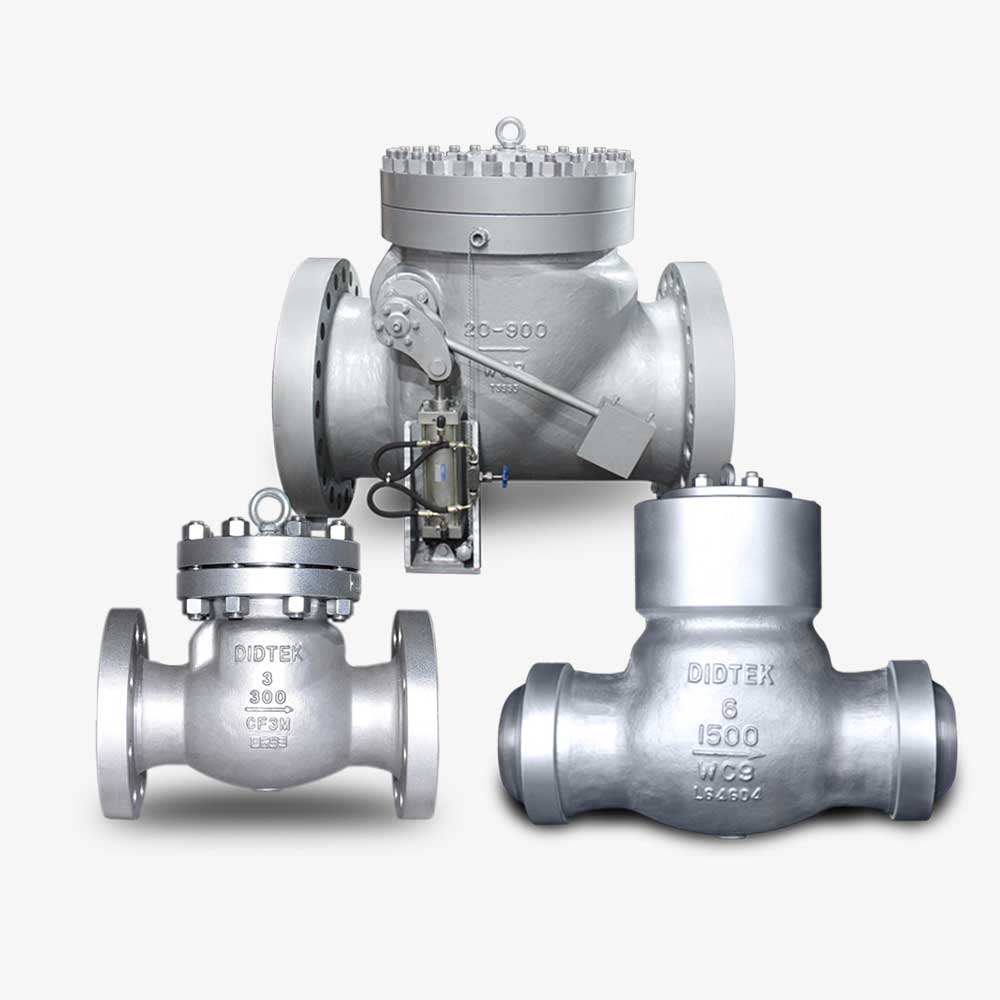
The operation of a check valve is relatively simple, but its design can vary. The most common mechanisms used in check valves are:
● Ball mechanism: A spherical ball moves within the valve body to prevent backflow when the fluid pressure decreases.
● Spring mechanism: A spring-loaded disc inside the valve opens or closes based on the pressure exerted on it.
● Gravity mechanism: In swing check valves, gravity causes the valve’s flap or disc to close when fluid flow reverses.
These mechanisms ensure that the valve opens when the fluid flows in the correct direction and closes when the flow is reversed. The proper functioning of a check valve is essential in preventing backflow, which can lead to contamination or system damage.
In water systems, check valves are used to:
● Prevent contamination: By blocking the reverse flow, check valves prevent contaminated water from flowing back into clean water supplies.
● Protect equipment: Backflow can damage pumps, compressors, and other critical equipment. Check valves ensure that reverse flow is prevented, protecting these valuable assets.
● Maintain system efficiency: By ensuring one-directional flow, check valves help maintain optimal pressure and flow conditions, contributing to the overall efficiency of the system.
Swing check valves are widely used in low-pressure systems. They feature a hinged disc that swings open when water flows in the correct direction. While swing check valves are simple and effective, they can cause slight pressure fluctuations when they close. These valves rely on gravity or spring force to close the disc, which means there can be a small delay in the closure, potentially leading to minimal pressure drop.
Swing check valves are generally well-suited for horizontal installations, where the gravitational force helps the disc return to its seat. However, their performance can be less predictable in vertical installations.
Ball check valves are ideal for high-pressure applications. These valves use a ball that moves within the valve body, sealing the opening when backpressure occurs. The design of ball check valves helps reduce resistance to flow, which means they typically create a lower pressure drop compared to other types of valves.
In systems with fluctuating pressures, ball check valves offer a robust solution. They are particularly useful in high-pressure pipelines, where their design can efficiently control water pressure without causing significant pressure loss.
Diaphragm check valves use a flexible diaphragm that moves up and down to control the flow of fluid. These valves provide tight sealing and are commonly used in systems that require precise pressure control. However, diaphragm check valves can result in higher pressure drops compared to other check valves, as the diaphragm creates resistance to the fluid flow.
For systems where pressure control is critical, diaphragm check valves are an excellent choice, but they should be used with caution in systems where minimizing pressure drop is essential.
Spring-loaded check valves, also known as silent check valves, offer the advantage of precise control over water flow. These valves use an internal spring to hold the valve closed until a specific pressure (cracking pressure) is reached. Spring-loaded check valves are highly effective in systems where backflow prevention and precise pressure control are crucial.
While these valves can result in higher cracking pressure and therefore slightly higher pressure drop, they provide excellent protection against backflow and water hammer, making them ideal for systems with fluctuating pressures.
Type of Check Valve | Key Features | Pressure Drop Impact | Best Application Area |
Swing Check Valve | Hinged disc, relies on gravity or spring | Minimal at low flow, more noticeable at high flow | Horizontal installations, low-pressure systems |
Ball Check Valve | Spherical ball moves to seal backflow | Low pressure drop | High-pressure systems, fluctuating pressures |
Diaphragm Check Valve | Flexible diaphragm for tight seal | Higher pressure drop | Precise pressure control systems |
Spring-Loaded Check Valve | Internal spring for controlled closure | Slightly higher due to cracking pressure | Systems with fluctuating pressures, backflow prevention |
When water flows through a check valve, the fluid encounters resistance, which leads to a phenomenon known as pressure drop. The amount of pressure drop depends on several factors, including the flow rate, valve design, and the type of fluid being transported.
In general, higher flow rates result in a higher pressure drop. For instance, swing check valves tend to have a minimal pressure drop at lower flow rates, but as the flow increases, the pressure drop becomes more noticeable. On the other hand, ball and spring-loaded check valves typically exhibit more consistent pressure drops, regardless of flow rate.
It’s crucial to understand the relationship between flow rate and pressure drop when selecting a check valve to ensure that the system operates efficiently and that the pressure is maintained within acceptable limits.
Cracking pressure is the minimum pressure required to open a check valve. Selecting the appropriate cracking pressure is essential because it directly impacts water pressure within the system. If the cracking pressure is too high, the valve may not open properly, restricting flow and leading to pressure buildup. Conversely, if the cracking pressure is too low, the valve may open prematurely, allowing backflow and disrupting the system’s pressure balance.
It’s important to choose a check valve with a cracking pressure that matches the system’s operational pressure. This ensures that the valve opens when needed without causing excessive pressure loss or flow restrictions.
Water hammer occurs when the flow of water is suddenly stopped or reversed, creating a pressure surge that can damage pipes, valves, and equipment. Check valves can mitigate the effects of water hammer by controlling the speed at which the valve closes.
Spring-loaded check valves are particularly effective in preventing water hammer, as they allow for a more gradual closure, reducing the shock waves caused by abrupt flow stoppage. Choosing a valve with water hammer protection features can help ensure consistent water pressure and prevent costly damage to the system.
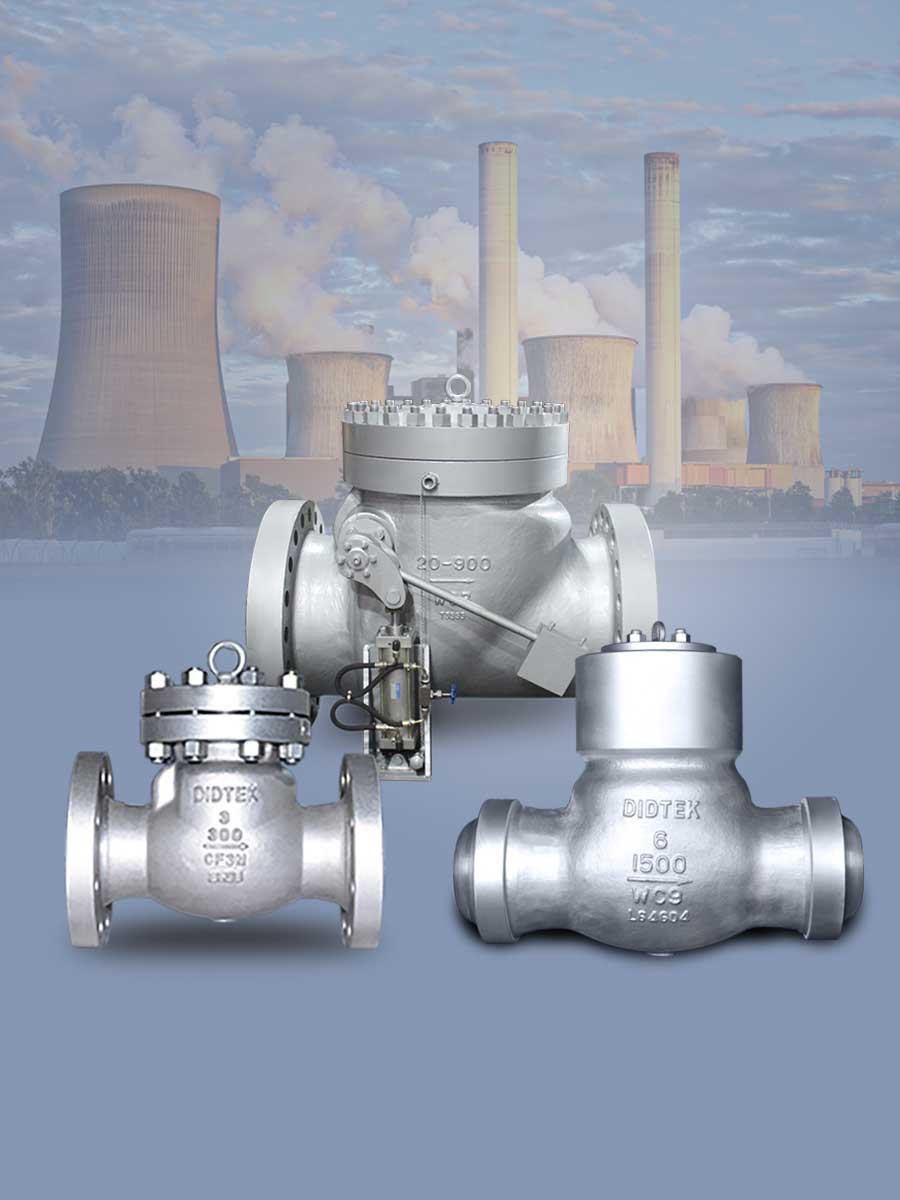
When choosing a check valve, it’s essential to consider the system’s flow rate and pressure requirements. For high-flow applications, a valve with a low-pressure drop, such as a swing or ball check valve, is typically the best option. For systems with precise pressure control needs, diaphragm or spring-loaded check valves are more suitable.
The cracking pressure of the valve should align with the system’s operating pressure. A higher cracking pressure is suitable for systems with higher operating pressures, while a lower cracking pressure is ideal for low-pressure systems. Selecting the right cracking pressure ensures that the valve opens and closes at the correct times, preventing pressure loss or backflow.
To minimize the risk of water hammer, consider selecting check valves with features specifically designed to dampen pressure spikes. Spring-loaded check valves or valves with a cushioned closing mechanism are excellent choices for systems where water hammer is a concern.
Check valves play a critical role in regulating water pressure within piping systems. Choosing the right check valve ensures stable pressure, system efficiency, and reduces the risk of pressure-related issues. Didtek Valve Group Co., Ltd. offers high-quality check valves that effectively manage pressure, providing reliable solutions for various water systems. Their products help optimize performance and protect valuable equipment.
A: Check valves regulate water flow by preventing backflow, which can help maintain stable pressure in the system. The valve's design and cracking pressure directly influence how much pressure is needed to open the valve and maintain flow.
A: A check valve ensures one-directional flow of water, preventing reverse flow and maintaining consistent water pressure, which protects the system and equipment from damage.
A: Yes, check valves can cause a pressure drop depending on the type and flow rate. Valves with higher flow resistance may result in greater pressure loss.
A: Swing check valves, especially in low-pressure systems, offer minimal pressure drop at lower flow rates but may cause fluctuations at higher flow rates due to their reliance on gravity or spring closure.
A: Cracking pressure determines when the check valve opens. Selecting the right cracking pressure is essential for maintaining proper water pressure and avoiding flow restrictions or backflow issues.


