+86-18058825678
- All
- Product Name
- Product Keyword
- Product Model
- Product Summary
- Product Description
- Multi Field Search

- Home
- Our Product
- About Didtek
- Solutions
- Exhibition Show
- Support
- News
 English

Views: 0 Author: Site Editor Publish Time: 2025-11-07 Origin: Site


In the world of energy, safety and efficiency are paramount. But how do we ensure these in LNG operations? LNG ball valves are crucial components, designed to handle extreme conditions. Their anti-static and fire-safe features are game-changers. In this post, you'll learn how these designs enhance safety and reliability in LNG applications.
LNG (Liquefied Natural Gas) ball valves are specialized shutoff devices designed for controlling the flow of cryogenic liquids like liquefied natural gas. They feature a spherical ball with a hole through its center, which aligns with the pipeline to allow flow or rotates to block it. These valves are engineered to operate efficiently at extremely low temperatures, often around -260°F (-162°C). Their design ensures a tight seal, preventing leaks during operation and storage.
LNG ball valves play a vital role across various stages of LNG handling. In processing plants, they control the flow during liquefaction and regasification, ensuring the efficient conversion of natural gas into its liquid form and back. During transportation, these valves act as shutoff devices on LNG tankers and pipelines, providing safety by preventing leaks and ensuring secure transit. In storage facilities, LNG ball valves isolate sections of storage tanks or pipelines, preventing leaks and facilitating maintenance. They also regulate the flow of LNG within distribution networks, ensuring a steady supply to end-users or conversion units. Their reliable performance under cryogenic conditions makes them essential for safety, efficiency, and environmental protection throughout the LNG supply chain.
Cryogenic Compatibility: Materials and design that withstand extreme cold without becoming brittle.
Multi-layer Sealing: Multiple sealing points prevent leaks even after repeated thermal cycling.
Anti-Static Design: Grounding features dissipate static electricity, reducing explosion risks.
Fire-Safe Construction: Fire-resistant materials and double seals ensure operation during fires.
Blow-out Proof Stem: Prevents stem ejection under high pressure or thermal stress.
Corrosion Resistance: Use of stainless steel, Inconel, or special alloys to withstand harsh environments.
Low Operating Torque: Mechanical support, like trunnion systems, reduces effort needed to operate valves, especially important for large sizes.
| Feature | Description | Importance |
|---|---|---|
| Cryogenic Compatibility | Materials and design that withstand extreme cold without becoming brittle. | Ensures valve integrity at extremely low temperatures. |
| Multi-layer Sealing | Multiple sealing points to prevent leaks during thermal cycling. | Enhances leak-tightness during operational temperature changes. |
| Anti-Static Design | Grounding features to dissipate static electricity. | Reduces explosion risks in flammable LNG environments. |
| Fire-Safe Construction | Fire-resistant materials and double seals to ensure operation during fires. | Prevents leaks and maintains valve integrity during fires. |
| Blow-out Proof Stem | Prevents stem ejection under high pressure or thermal stress. | Ensures valve safety and operational reliability. |
| Corrosion Resistance | Use of materials like stainless steel and Inconel to withstand harsh environments. | Protects valve components from corrosion in LNG environments. |
| Low Operating Torque | Mechanical support reduces the effort needed to operate the valve. | Enhances ease of operation, especially for larger valve sizes. |
LNG operations involve handling flammable, cryogenic, and high-pressure media. Any leak or failure can cause catastrophic accidents, environmental damage, or loss of product. Incorporating anti-static and fire-safe features enhances safety by preventing static buildup and ensuring sealing integrity during fires. These attributes help meet strict safety standards, reduce maintenance costs, and improve overall system reliability.
In LNG ball valves, preventing static electricity buildup is crucial. When fluids flow or the valve ball rotates, static charges can form. These charges might spark, risking fires or explosions in flammable LNG environments. To avoid this, anti-static designs include conductive pathways.
A common method uses small metal balls and springs placed between the valve stem, ball, and body. These components maintain continuous electrical contact, creating a circuit that safely directs static electricity to the ground. This design ensures no static accumulates inside the valve.
For valves smaller than DN50, conductivity between the valve stem and body often suffices. Larger valves require conductivity among the ball, stem, and body to guarantee static dissipation. The resistance in this path is kept below 10 ohms, complying with safety standards like GB/T12237.
Anti-static features bring several advantages to LNG ball valves:
Explosion Risk Reduction: By dissipating static electricity, these valves lower the chance of sparks igniting LNG vapors.
Enhanced Safety: They protect personnel and equipment in environments where flammable gases are handled.
System Integrity: Preventing static buildup helps maintain stable operation, avoiding unexpected shutdowns or damage.
Compliance: Anti-static valves meet strict industry safety standards, which is vital for LNG facilities.
Long-Term Reliability: Conductive components are designed to last through thermal cycles and mechanical wear common in LNG operations.
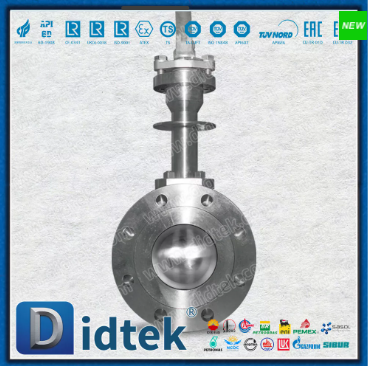
Fire-safe design in LNG ball valves focuses on maintaining sealing integrity and operational safety during fire incidents. This design includes multiple critical components working together:
Double-Sealing Structure: The valve uses both soft and hard seals. The soft seal, often made of materials like PTFE or fluoroelastomers, provides excellent sealing under normal conditions. If fire melts the soft seal, the valve ball presses against a hard metal seat, creating a secondary seal that prevents leakage.
Fire-Resistant Valve Seat and Ball Core: The soft-sealed valve seat fits into a groove in the valve body. When the soft seal burns, the medium pressure pushes the ball toward a metal seat, forming a metal-to-metal seal. This reduces internal leakage during fires. Hard-sealed valves resist seat burning but may have slightly higher leakage risk during normal operation.
Fire-Resistant Flange Design: The valve body often has a two- or three-piece split design held by bolts. Between body sections, O-rings and graphite metal-wrapped gaskets ensure sealing. If O-rings burn, the graphite gasket maintains sealing to minimize external leaks. Some valves also feature metal contact seals between body parts for added fire protection.
Fire-Resistant Valve Stem Sealing: Valve stem packing uses high-temperature-resistant materials like flexible graphite or special fillers. PTFE melts in fire, but the valve stem is held tightly by the valve body’s shoulder and internal pressure, preventing it from being pushed out and maintaining the seal.
Blowout-Proof Stem: The stem design includes a built-in shoulder to prevent ejection under fire or high pressure, ensuring valve integrity.
Fire-safe LNG ball valves are designed to offer enhanced protection and reliability in extreme conditions. Their double-sealing structure ensures that even if the soft seal fails, the valve maintains a tight metal-to-metal seal, effectively preventing dangerous LNG leaks during fires. This feature not only protects personnel and equipment from fire hazards but also ensures compliance with safety standards such as API 607 and ISO 10497, which are essential for meeting LNG industry regulations. By preventing LNG leaks during fire events, these valves help reduce environmental risks, avoiding potential contamination and explosions. Additionally, their fire-safe design minimizes the risk of damage, lowering maintenance and repair costs, while also reducing downtime. With materials and design tailored for rapid temperature changes and fire exposure, fire-safe LNG ball valves ensure reliable performance in the demanding environment of LNG facilities.
When choosing a ball valve for LNG or other high-risk applications, understanding the differences between conventional and advanced designs is crucial. Traditional ball valves typically feature simple structures, often with one sealing point and minimal safety features. They are usually made from basic materials like standard stainless steel or brass, suitable for non-flammable, low-pressure environments.
In contrast, advanced ball valves incorporate multiple safety and performance features. They often have double-sealing systems, fire-resistant materials, anti-static grounding, and blowout-proof stems. These enhancements address the extreme conditions found in LNG, chemical, and petrochemical industries. Advanced valves are designed to withstand cryogenic temperatures, high pressures, and fire hazards, ensuring safety and reliability.
| Feature | Conventional Ball Valves | Advanced LNG Ball Valves |
|---|---|---|
| Safety Features | Minimal safety features | Anti-static, fire-safe, and blowout-proof designs |
| Sealing Mechanism | Single sealing point | Multi-layer sealing for better leak prevention |
| Material | Basic stainless steel or brass | Cryogenic-resistant alloys like Inconel and stainless steel |
| Temperature Compatibility | Limited to regular temperatures | Designed for cryogenic temperatures |
| Pressure Resistance | Lower pressure tolerance | High-pressure tolerance |
| Suitability for Hazardous Environments | Suitable for low-risk applications | Designed for high-risk LNG, chemical, and petrochemical environments |
The main reason to opt for advanced, safety-enhanced ball valves lies in the nature of the environments where they operate. LNG facilities, for example, involve handling flammable, cryogenic, and high-pressure media. Any leak, static buildup, or failure during a fire can lead to catastrophic accidents, environmental damage, or loss of life.
Anti-static features help dissipate static electricity that could generate sparks. Fire-safe designs maintain sealing integrity during fires, preventing leaks even when soft seals melt. These features significantly reduce the risk of explosions and fires, protecting personnel and infrastructure.
Choosing advanced ball valves also aligns with strict safety standards like API 6D, ISO 10497, and NFPA regulations. These standards require specific safety features, testing, and certifications that conventional valves often lack.
Enhanced Safety: Prevent static sparks, leaks during fires, and stem ejection.
Regulatory Compliance: Meet international safety standards and certifications.
Operational Reliability: Maintain sealing and performance under cryogenic temperatures and high pressures.
Reduced Maintenance: Minimize leak-related repairs, downtime, and replacement costs.
Environmental Protection: Prevent hazardous leaks that could harm the environment.
Selecting the right materials for LNG ball valves is critical for ensuring safety, durability, and performance. LNG operates at cryogenic temperatures around -260°F (-162°C), which makes material properties a top priority. If materials are not chosen carefully, valves can become brittle, crack, or fail prematurely. Proper material selection prevents leaks, maintains sealing integrity, and withstands extreme cold, high pressure, and corrosive environments. It also influences maintenance costs and the lifespan of the equipment.
LNG ball valves are constructed using a variety of materials, each selected for its specific properties to withstand extreme conditions. Stainless steel, including grades like 304 and 316, is widely used for its excellent corrosion resistance, strength, and cryogenic toughness, allowing the valve to maintain its integrity at low temperatures without becoming brittle. Inconel and other nickel-based alloys are ideal for their high-temperature resistance and corrosion resistance, making them suitable for harsh environments. Carbon steel is used for parts of the valve that are not exposed to direct cryogenic conditions, offering strength and cost-effectiveness, though it requires coatings or linings for added corrosion resistance. Specialized elastomers and polymers, such as PTFE (Teflon) and cryogenic-grade elastomers, are used for seals and gaskets to maintain flexibility and effective sealing performance at low temperatures. For critical sealing points, metal-to-metal seals made from alloys like Inconel or stainless steel provide enhanced durability and fire resistance, ensuring the valve performs reliably under extreme conditions.
Materials used in LNG ball valves must meet several critical requirements to ensure reliable performance in harsh environments. Corrosion resistance is essential, as LNG facilities often involve exposure to corrosive agents or seawater, requiring materials that can resist rust and degradation. Additionally, the materials must retain strength and toughness at cryogenic temperatures, ensuring they do not become brittle under extreme cold. The selected materials must also handle the high pressures typically present in LNG systems without deformation or failure. Furthermore, they must be chemically compatible with LNG and any additives or impurities that may be present, ensuring the valve remains effective in all operational conditions.
Before deployment, materials undergo rigorous testing, including:
Cryogenic Testing: Ensures materials maintain properties at low temperatures.
Pressure Testing: Verifies the ability to withstand operational pressures.
Corrosion Testing: Confirms resistance in specific environments.
Fire and Safety Certification: Materials used in fire-safe valves meet standards like ISO 10497 and API 607.
Using high-quality, certified materials increases the lifespan of valves, reduces maintenance costs, and enhances overall safety. Proper selection is vital for preventing failures that could lead to leaks, fires, or catastrophic accidents in LNG operations.
Maintaining LNG ball valves, especially those with anti-static and fire-safe designs, is essential for safe, reliable operation. Regular inspections help detect wear or damage early, preventing leaks and failures. Key maintenance tasks include visual checks for corrosion, cracks, or leakage, and functional testing to ensure smooth movement and proper sealing. Seal inspections are important, replacing brittle or cracked seals after exposure to extreme temperatures. Fire-safe components should be checked for integrity, and electrical continuity should be measured to confirm anti-static paths meet safety standards. Lubrication with cryogenic-compatible lubricants reduces friction, while detailed maintenance records track valve condition.
Proper training for personnel handling LNG ball valves is crucial for safety and emergency response. Operators should be trained on valve functions, safety features, and handling procedures, emphasizing the importance of safety mechanisms. Emergency drills should simulate fire or leak scenarios, teaching valve shutoff, isolation, and evacuation techniques. Maintenance staff must understand inspection and replacement procedures, especially for fire-safe and anti-static components. Clear safety protocols for reporting issues and coordinating with emergency responders should be in place, along with training on proper PPE use during maintenance or emergencies. Establishing communication with local fire departments ensures effective incident management. Effective training minimizes risks, ensuring safety and protecting infrastructure.
The anti-static and fire-safe design of LNG ball valves enhances safety by preventing sparks and maintaining seals during fires. These features are essential for reliable operation in cryogenic environments. As LNG industries evolve, advancements in valve technology will continue to prioritize safety and efficiency. Didtek's innovative products exemplify these benefits, offering robust solutions that ensure safety and compliance. Their commitment to quality and performance makes them a trusted partner in the LNG sector.
A: An LNG Ball Valve is a specialized shutoff device designed to control the flow of cryogenic liquids like liquefied natural gas, ensuring a tight seal and efficient operation at extremely low temperatures.
A: The anti-static design in LNG Ball Valves dissipates static electricity, reducing explosion risks and enhancing safety by preventing sparks in flammable LNG environments.
A: Fire-safe design ensures that LNG Ball Valves maintain sealing integrity during fires, preventing dangerous leaks and protecting personnel and infrastructure.
A: Common materials for LNG Ball Valves include stainless steel, Inconel, and specialized elastomers, chosen for their cryogenic toughness, corrosion resistance, and sealing performance.
A: LNG Ball Valves feature advanced safety designs like anti-static and fire-safe mechanisms, making them more suitable for high-risk environments compared to conventional valves.


