+86-18058825678
- All
- Product Name
- Product Keyword
- Product Model
- Product Summary
- Product Description
- Multi Field Search

- Home
- Our Product
- About Didtek
- Solutions
- Exhibition Show
- Support
- News
 English

Views: 0 Author: Site Editor Publish Time: 2026-06-03 Origin: Site


You need the right gate valve for steam. This helps your steam system work well. Gate valves are good for steam isolation. They can handle high pressure and high heat. In power plants and factories, you see pressures up to 285 psi in Class 150 valves. Class 300 valves can handle even higher pressure. The table below shows common pressure and temperature limits for these valves:
Valve Class | Maximum Pressure (psi) | Maximum Pressure (bar) | Temperature (°C) |
|---|---|---|---|
Class 150 | 285 | 19.6 | 20 |
Class 300 | 740 | 51.1 | 20 |
Picking the right valve keeps your equipment safe. It also helps your process run smoothly.
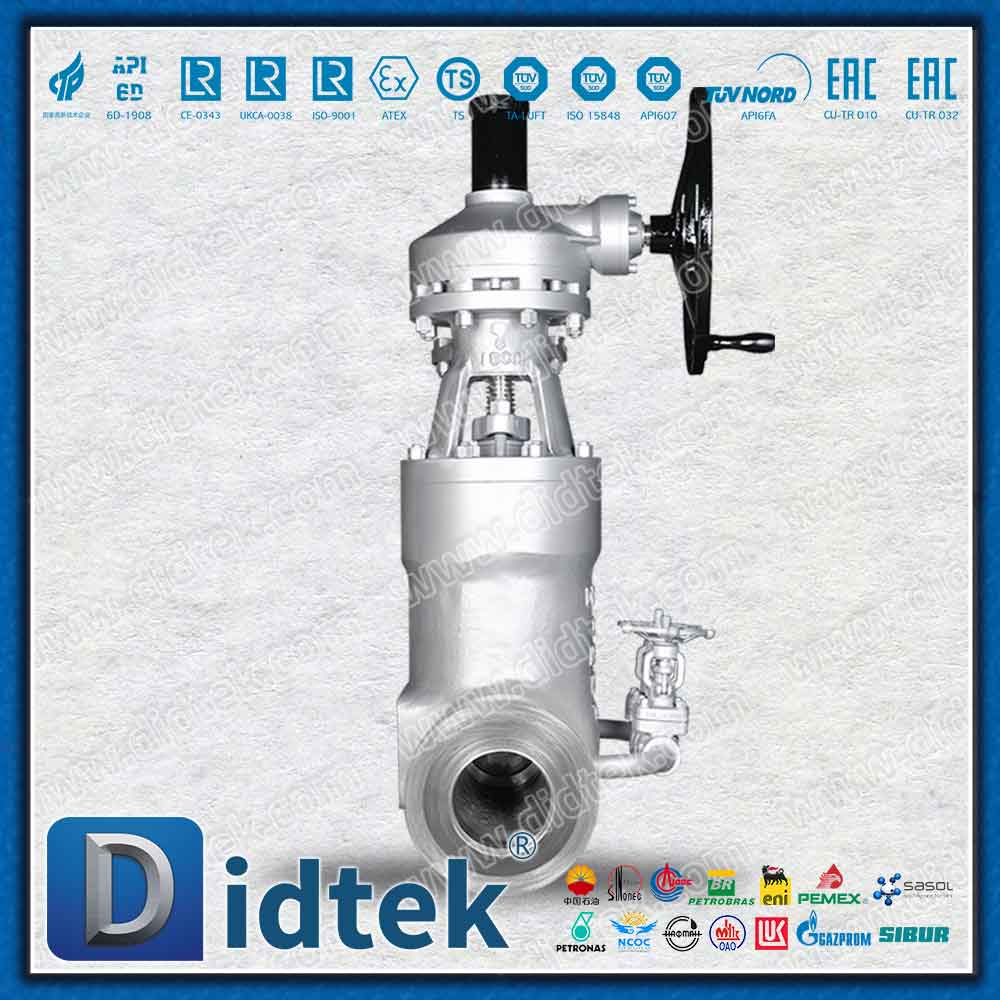
When picking a gate valve for steam, you need to think about a few important things. These things help you find the best valve for your steam system and keep it safe.
Always check what the valve is made of. The right material makes the valve strong and last longer. Steam systems have high pressure and heat. Weak materials can break or get damaged. You want a valve that can handle heat, pressure, and corrosion.
Here is a table showing common materials for steam valves and their uses:
Material | Properties | Applications |
|---|---|---|
Carbon Steel | Strong, hard, resists pressure, not expensive. | Good for steam pipes with medium pressure and heat in power and heating systems. |
Cast Steel | Stronger and tougher, handles more pressure and heat. | Used in tough pipelines, like mines and power plants. |
Stainless Steel | Resists rust and oxidation, good for mild chemicals. | Used in food, medicine, and chemical factories, especially where there is chloride. |
For steam with high pressure and heat, chrome-moly alloy steel is best. The DIDTEK WC9 PSB 1500LB By-Pass Gate Valve uses ASTM A217 WC9. This material can handle temperatures up to 593°C. It does not break from heat or pressure. The valve lasts longer and works well in hard steam systems.
You must make sure the valve’s pressure and temperature ratings match your steam system. If the rating is too low, the valve can break or leak. Always check the valve’s class. Make sure it meets your system’s needs.
Industry standards like API 600 set rules for steam valves. These rules make sure your gate valve can handle the pressure and heat in your plant. The DIDTEK WC9 PSB 1500LB By-Pass Gate Valve follows these rules. It works well in Class 1500 systems and handles high-pressure steam.
Your gate valve for steam should seal tightly. Leaks waste energy and can be unsafe. Good sealing is important for steam valves.
Here are ways to stop leaks in steam systems:
Check for leaks often.
Use the valve so it does not stick.
Watch pressure and heat to protect the valve.
Change packing and gaskets during shutdowns.
Keep records of maintenance and leaks.
For hot steam, stainless steel seats with graphite gaskets work best. They handle heat and do not change shape. The DIDTEK WC9 PSB 1500LB By-Pass Gate Valve uses a pressure seal bonnet. This design uses steam pressure to make the seal tighter. You get better leak prevention, even at high pressure.
Most leaks happen because of worn seats, packing leaks, or corrosion. You can fix these by repairing seats, adjusting packing, and using the right materials. Good installation and testing also help stop leaks.
Common Causes of Leakage | Mitigation Strategies |
|---|---|
Worn or Damaged Valve Seats | Repair or replace the seat |
Packing Gland Leakage | Adjust or renew packing |
Corrosion and Erosion | Stop corrosion |
Improper Installation | Install the valve the right way |
Material or Manufacturing Defects | Test pressure and function |
You want your steam valves to last long and need little care. Regular maintenance keeps your gate valves working well and stops problems early.
Here are tips to keep your valves in good shape:
Check valves often for damage or leaks.
Test to make sure the valve opens and closes easily.
Look at seals and seats for damage.
Lubricate moving parts.
Keep the area around the valve clean.
Gate valves in steam systems need more care than ball valves. You may need to adjust packing more often to stop leaks. The DIDTEK WC9 PSB 1500LB By-Pass Gate Valve has Stellite overlays on wedge and seat rings. This protects against wear and erosion. The valve stays reliable, even in tough steam systems.
If you follow these key steps, you can pick the right gate valve for steam. Your steam system will stay safe, work well, and have fewer problems.
To pick the right gate valve for steam, you need to know about the different types. Each type has special parts that help you control steam safely and easily.
There are two main wedge types in gate valves for steam. These are flexible wedge and solid wedge. Each one works in its own way when there is heat and pressure.
Feature | Flexible Wedge Gate Valve | Solid Wedge Gate Valve |
|---|---|---|
Structural Design | One-piece disk with elastic deformation capability | One-piece rigid structure with no elastic deformation |
Adaptability to Thermal Changes | Adapts to thermal expansion, preventing jamming | Rigid, cannot adapt to thermal fluctuations |
Sealing Performance | Maintains a tight seal due to flexibility | More prone to wear and jamming due to rigidity |
Susceptibility to Thermal Binding | Less susceptible, flexes to prevent binding | More susceptible, can become stuck due to thermal changes |
Recommended Use | Suitable for larger valves in steam applications | Generally used for smaller valves and lower temperatures |
Flexible wedge gate valves can bend a little when steam heats them up. This helps stop the valve from sticking and keeps the seal tight. You will not have as many problems with thermal binding. Solid wedge gate valves do not bend. They are best for smaller valves or places where the temperature does not change much. If you need a valve for high-pressure steam, flexible wedge types work better and last longer.
You can tell a rising stem design because the stem moves up when you open the valve. This makes it easier to use and fix.
You can see if the valve is open or closed.
It is easier to fix because you can reach the stem.
Rising stem designs are good for high-pressure steam.
When you use a rising stem gate valve, you watch the stem go up or down. This shows if the valve is open or shut. Workers in steam plants need to know this fast. The rising stem design gives a clear sign. The stem stays outside the valve body, so steam does not touch it. This keeps the stem clean. You do not have to check or fix the valve as much. This design also keeps the stem safe from rust and damage, which is important in hard steam jobs.
Pressure seal bonnet designs help stop leaks in high-pressure steam systems. The bonnet uses steam pressure to make the seal tighter when pressure goes up. This means the valve seals itself and keeps steam inside.
Pressure seal bonnets work best when pressure is over 500 psi. Power plants and steam networks use these valves because they need strong seals. The DIDTEK WC9 PSB 1500LB By-Pass Gate Valve has a pressure seal bonnet. This design gives extra leak protection. When steam pressure rises, the seal gets even stronger. You do not have to worry about leaks, even when things get tough.
The DIDTEK WC9 PSB 1500LB By-Pass Gate Valve also has a by-pass feature. This small valve lets you balance pressure before opening the main gate. You use less force and stop thermal binding. The by-pass helps warm up lines, so things run safer and smoother. If you want a valve for high-pressure steam that keeps your system safe, this model has great features and works well.
Tip: Manual gate valves and knife gate valves are also used in steam systems. But you should always check the design and features first. Flexible wedge, rising stem, and pressure seal bonnet designs work best for high-pressure steam.
It is important to pick the right size gate valve for steam. If you get the size wrong, your steam system may not work well or could be unsafe. First, look at what kind of fluid you have. Steam needs strong materials that can take heat and pressure. Check how much pressure and heat your system has. Make sure your valve can handle these things. Think about how you want to control the flow. Decide if you need the valve just to stop flow or to control it. Always use safety rules from the industry. Plan for the future. Choose a valve that can work if your steam pipes get bigger. Make sure the valve material matches the fluid so it does not get damaged.
If you do not check choked flow, your valve might not give enough steam. Not thinking about cavitation or flashing can wear out the valve and change how steam moves. If you skip checking the Reynolds number, you might make mistakes with how the steam flows. Picking the right size gate valve helps keep your steam system safe.
Good installation helps your gate valves last longer. Clean the valve body before you put it in. Take out anything that could block the valve. Use the right tools to put the valve in place and make sure it is tight. This stops leaks. After you install it, check the valve seat. Test the valve with pressure to make sure it does not leak.
Installation Error | Description |
|---|---|
Cleaning Before Installation | Clean the valve body to remove debris. |
Installation Precautions | Use special tools and check for tightness. |
Post-installation Check | Inspect the seat and test for leaks. |
Tip: Manual gate valves and knife gate valves need careful installation. Always check that they line up right and do not trap hot or cold spots.
Doing regular maintenance makes your gate valves last longer. Move the valve often so it does not get stuck. Look for damage or leaks. Watch for big changes in temperature on the valve parts. Do not close the valve when it is very hot. Use bypass systems to make temperature and pressure even. After you close the valve, turn the stem back a little to lower the force. This helps stop thermal binding.
Gate valves last longer if you take care of them. You save money and make your system more reliable. In tough steam systems, you need to check valves more often. Regular checks help you find problems early.
Key Points | Explanation |
|---|---|
Regular Maintenance | Keeps performance high and stops malfunctions. |
Routine Inspections | Finds issues early and protects valve integrity. |
Harsh Operating Conditions | Needs frequent care to extend lifespan. |
Note: Maintenance is important for all steam systems. You keep your steam system safe and working well by following these tips.
You might see leaks or worn seats in steam systems. These problems can happen for a few reasons. Solid bits like sand or welding slag can scratch the sealing surface. Acidic or alkaline stuff, like H₂S or chloride, can eat away the metal seats. High heat over 300°C can make soft sealing materials break down.
If your gate valve for steam leaks, look for dirt or worn seats. Use this table to help you find and fix the issue:
Problem | Possible Causes | Recommended Action |
|---|---|---|
Seat Leakage | Debris between gate and seat, worn seats, improper closure | Cycle valve several times, inspect and clean seats, check for proper closure torque |
Check and clean the seats often. Always close the valve with the right force.
Gate valves in steam systems can get stuck or jam. This can happen if stuff builds up inside the pipe and blocks the gate. If the valve stem does not have enough grease, it can stick. Changes in temperature can also affect the sealing parts. If the wedge angle is too small, the valve can jam when the pipe changes shape from heat.
To stop sticking and jamming, clean the inside of the valve before you put it in. Use brushes, vacuums, or strong water sprays. Grease the valve stem and packing often. Look for dirt and take it out. Open and close the valve all the way sometimes to keep dirt from building up. If the stem jams, clean off rust, change the packing, and add more grease.
Manual gate valves and knife gate valves need these steps too. This helps them work well in steam pipes.
Steam systems get very hot. When this happens, the valve body and bonnet get bigger. This can change the inside size and hurt the seal. Sometimes, the wedge and seat get bigger at different speeds. This can make the valve stick or not seal right. You might need more force to turn the valve, which can break it.
Big valves sometimes use a bellows seal. This special part lets the valve get bigger without sticking. It helps the valve work even when the temperature changes a lot.
Tip: Always look for signs of sticking or leaks after big temperature changes. Checking often helps you find problems early and keeps your steam systems safe.
You should pick gate valves that help steam systems stay safe and work well. Make sure the valve fits your steam pipes. Always check if it meets API 600 rules. Use the table below to help you choose the right valve for steam:
Key Takeaways |
|---|
Always follow API 600 rules, pick the right material for the steam, and check test results to stop problems and save money. |
For important jobs, use better materials like duplex steel or Hastelloy and SIL 3 actuators. You will save money on repairs in about 2 years. |
Manual gate valves and knife gate valves can be used in many steam systems. But special models like DIDTEK’s WC9 PSB 1500LB By-Pass Gate Valve give more safety in hard jobs. If your steam system is special, ask an expert for help.
You can use gate valves in steam systems because they handle high pressure and temperature. Their design gives you a tight seal, which helps prevent leaks and keeps your system safe.
You should check the valve seats and packing often. Replace worn parts quickly. Clean the valve before installation. Regular maintenance helps you stop leaks and keeps your steam system working well.
You should use manual gate valves when you need simple on-off control. These valves work well in systems where you do not need frequent operation or automation.
You can look at the stem position. If the stem rises, the valve is open. If the stem lowers, the valve is closed. This makes it easy for you to check the valve status.
A by-pass valve helps you balance pressure on both sides of the main valve. This reduces the force needed to open the valve and helps prevent thermal binding.


