+86-18058825678
- All
- Product Name
- Product Keyword
- Product Model
- Product Summary
- Product Description
- Multi Field Search

- Home
- Our Product
- About Didtek
- Solutions
- Exhibition Show
- Support
- News
 English

Views: 0 Author: Site Editor Publish Time: 2025-12-18 Origin: Site


Have you ever been unsure whether a valve is open or closed? Misidentifying valve status can lead to costly mistakes in any system.
In this article, we'll explore how to tell if a valve is on or off. You'll learn simple methods for identifying the position of various valve types and avoid potential problems.
On Position: In a ball valve, the handle will be parallel to the pipe when the valve is open, allowing fluid to flow through. The ball inside the valve aligns with the flow path, allowing the liquid or gas to pass through.
Off Position: When the valve is closed, the handle will be perpendicular to the pipe, blocking the flow. The ball rotates 90 degrees to seal the flow path.
Tips: Ball valves are one of the most intuitive valve types to identify. The handle's position provides an immediate visual cue. This simple mechanism makes it ideal for applications where quick shut-off or flow control is necessary. It is commonly used in industries ranging from water treatment to chemical processing because of its reliability and ease of use.

Method of Identification:
● Rotation Direction: Gate and globe valves typically have a handwheel for manual operation. To close these valves, turn the handwheel clockwise. To open them, rotate the handwheel counterclockwise. Always verify the correct direction by checking for directional indicators etched onto the valve body or handle.
● Rising Stem: Many gate and globe valves feature a rising stem. When the valve is open, the stem will extend out from the valve body, providing a clear visual indication that the valve is open. When closed, the stem retracts back into the valve body.
● Non-Rising Stem: Some valves, like certain gate and globe valves, feature non-rising stems. In these cases, you cannot visually assess the valve’s status by checking the stem. Instead, manually turn the handwheel. If it turns freely counterclockwise and then stops, the valve is likely open. If it resists movement and stops after turning clockwise, the valve is closed.
Note: Always check the valve body for any additional markings that indicate the correct direction for opening and closing the valve. Some valves may have reverse rotation mechanisms, so confirmation from the valve's manual or marking is crucial.
On Position: The handle of a butterfly valve will be parallel to the pipe when it is fully open, allowing fluid to pass freely. The internal disc aligns with the flow direction, allowing liquid or gas to flow through the valve.
Off Position: When the valve is closed, the handle will be perpendicular to the pipe. This position blocks the flow, as the internal disc rotates perpendicular to the flow path.
Adjustability: Some butterfly valves are designed to regulate flow, not just act as on/off switches. The handle can be positioned between fully open and fully closed positions to throttle the flow rate. When this feature is available, look for indicators on the valve that specify the flow control limits.
Tips: When checking a butterfly valve, it is important to observe the handle position first, but also listen or observe the flow of the fluid passing through the system. A completely open valve allows unrestricted flow, while a throttling valve may not fully block the fluid but may reduce flow significantly.

Method of Identification:
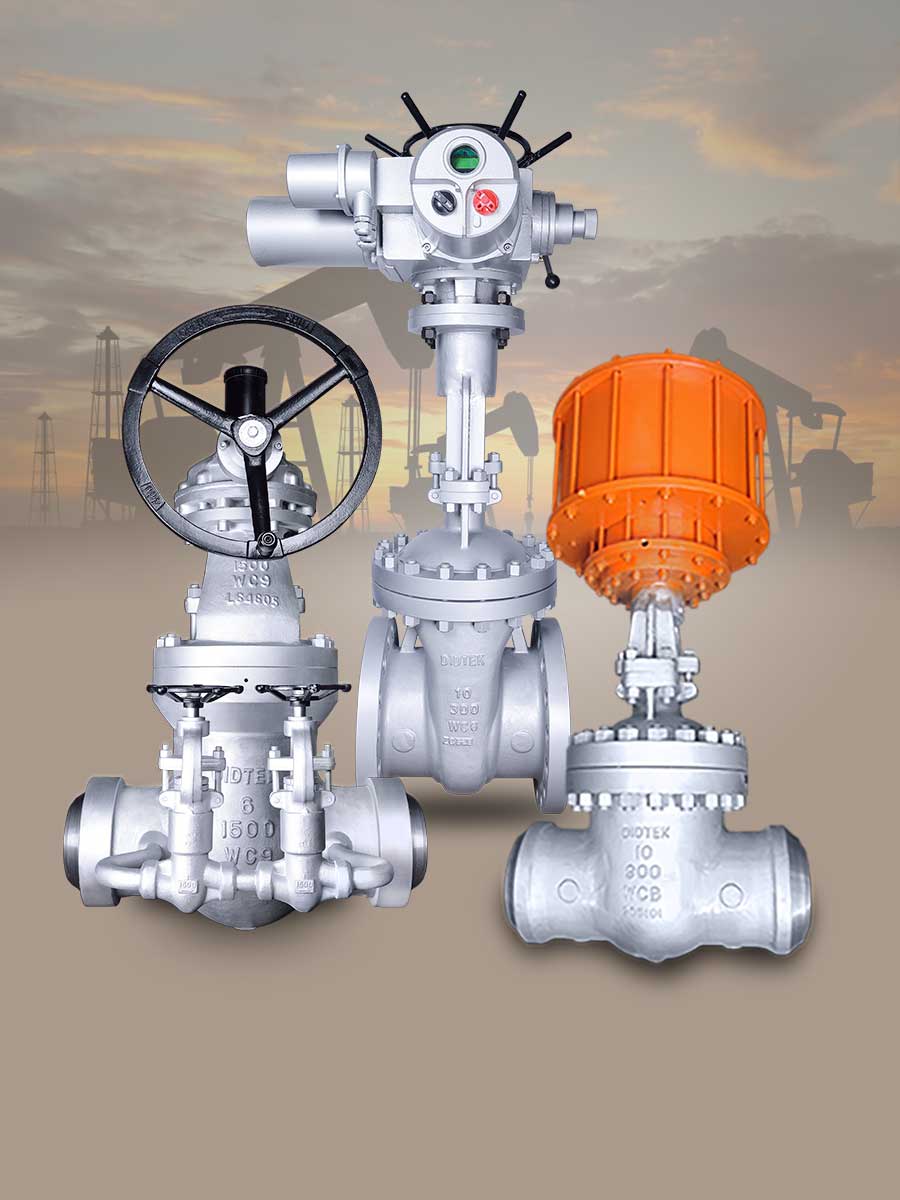
● Position Indicators: Actuated valves are controlled through an external power source, such as electric, pneumatic, or hydraulic power. These valves often have mechanical or electronic position indicators that visually display whether the valve is open or closed. These indicators can include a digital readout, lights, or mechanical flags.
● Control System Feedback: Automated systems, such as those using PLC (Programmable Logic Controllers) or SCADA (Supervisory Control and Data Acquisition), provide real-time feedback on the position of actuated valves. These systems are especially useful in industries like oil and gas, where valves are often remotely controlled and monitored.
Tips: For actuated or automated valves, it is often best to rely on system feedback and digital indicators rather than manual checks. This ensures accuracy, especially in complex systems where manual handling might be impractical.
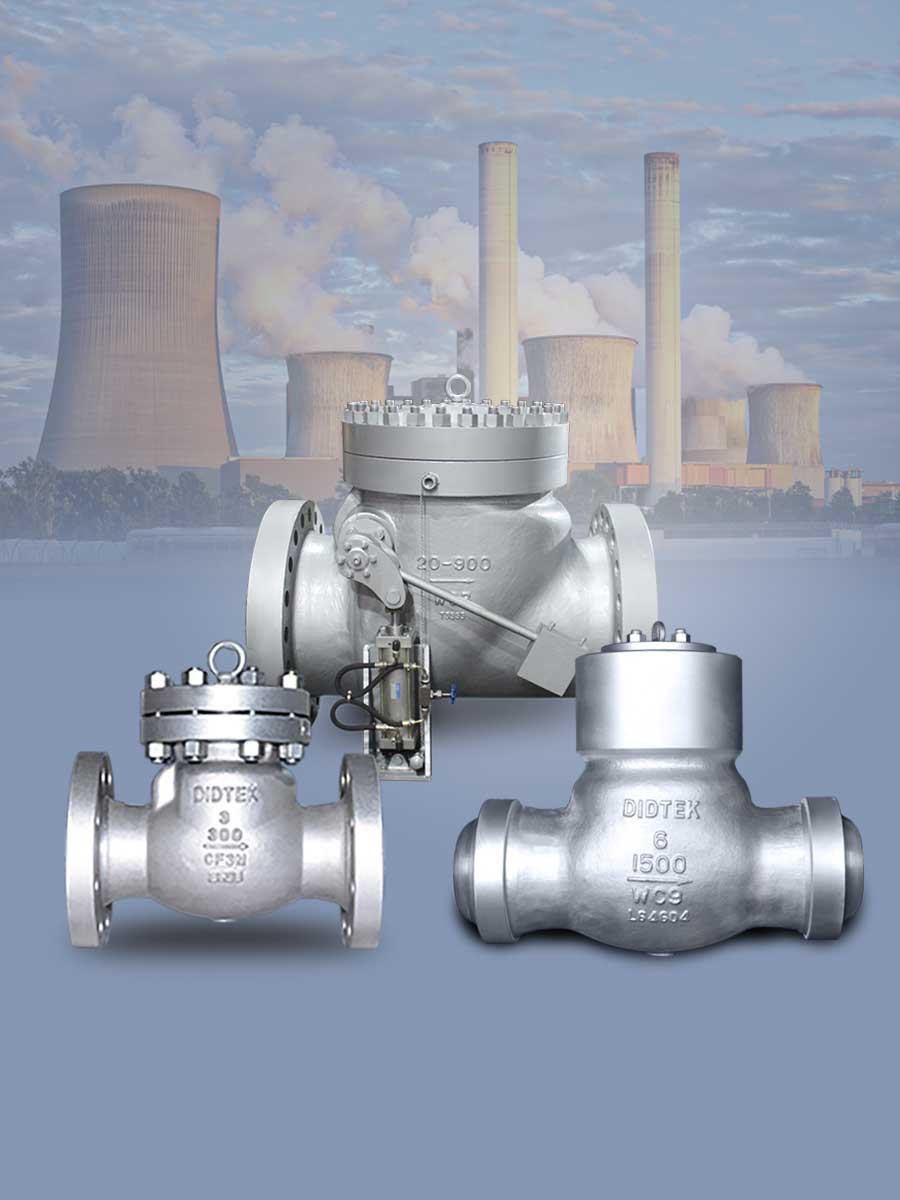
Check Valves: Check valves are unique because they don’t require manual operation to open or close. They are automatically controlled by the fluid flow. When the fluid flows in the correct direction, the valve is open. If the fluid attempts to flow in the opposite direction, the valve shuts, preventing backflow. These valves typically have directional arrows to indicate the correct installation direction.
Pressure Reducing Valves: To check the functionality of a pressure-reducing valve, use a pressure gauge to measure the pressure before and after the valve. If the downstream pressure matches the expected value, the valve is likely open and operating correctly. If the pressure is higher than expected, the valve may be malfunctioning or closed.
Handle Position: The most straightforward method to determine if a valve is open or closed is by inspecting the handle position. If the handle is parallel to the pipe, the valve is open. If it’s perpendicular to the pipe, the valve is closed.
Flow Direction Markings: Many valves have directional arrows or labels indicating the correct flow direction. This can be a useful visual cue, especially for valves that do not follow the typical open/close handle orientation (e.g., check valves).
Tips: Before attempting to manipulate a valve, visually inspect its handle and look for any directional indicators or markings. This quick visual check can save time and prevent unnecessary adjustments.
Turning the Handwheel: For manual valves, turning the handwheel or handle is an effective way to confirm its status. If the valve turns smoothly counterclockwise and there’s no resistance, the valve is likely open. If it resists turning or becomes stiff, the valve may be closed.
Manual Checking for Non-Rising Stems: For valves with non-rising stems (like certain gate and globe valves), manually check for resistance. Turn the handwheel to its limit and ensure that it stops at the expected fully open or fully closed position.
Flow Observation: In systems that are in operation, you can check for steady flow to determine if a valve is open. A lack of flow or a sudden drop in flow rate typically indicates that the valve is closed.
Pressure Testing: For more accurate diagnostics, pressure testing can confirm valve status. Use pressure gauges to monitor upstream and downstream pressure. A closed valve often results in pressure build-up on the upstream side, while an open valve will maintain more consistent pressure levels.
By evaluating valve handle positions, using flow and pressure feedback, and understanding valve-specific indicators, you can effectively determine the status of various types of valves. Regular checks and proper identification of valve positions help ensure the safety and efficiency of fluid systems, preventing leaks, pressure issues, or damage to equipment. Always check the valve status before performing any maintenance or adjustments to ensure safe and accurate operations. For reliable valve solutions, [[Didtek Valve Group Co., Ltd.]] offers high-quality valves designed for efficiency and safety in various industries.
A: To determine if a valve is open or closed, check the handle position. If the handle is parallel to the pipe, the valve is open. If it’s perpendicular, the valve is closed. This method works for most types of valves, including ball and butterfly valves.
A: Checking the status of a valve ensures the proper flow of fluids and prevents leaks, pressure issues, or system damage. It is essential for maintaining safety and efficiency in any fluid control system.
A: For gate valves, turn the handwheel. Rotate it clockwise to close and counterclockwise to open. Check for resistance to confirm whether the valve is fully open or closed.
A: If the valve handle is stuck, avoid forcing it. Try lubricating the handle or manually inspecting the valve. If it still doesn’t move, contact a professional for assistance.
A: Automated valves typically use electronic or mechanical indicators to show whether they are open or closed. These indicators are integrated into control systems like PLC or SCADA for real-time status monitoring.


