+86-18058825678
- All
- Product Name
- Product Keyword
- Product Model
- Product Summary
- Product Description
- Multi Field Search

- Home
- Our Product
- About Didtek
- Solutions
- Exhibition Show
- Support
- News
 English

Views: 0 Author: Site Editor Publish Time: 2025-11-14 Origin: Site


Imagine transporting a volatile liquid at -162°C without a single drop escaping. LNG ball valves make this possible. But why is zero leakage so crucial in LNG operations? These specialized valves ensure safety and efficiency in extreme conditions. In this post, you'll learn about LNG ball valves and the vital role of zero leakage sealing in maintaining safe LNG applications.
LNG ball valves are specialized valves designed to control the flow of liquefied natural gas. They operate by rotating a spherical ball with a hole through it, aligning the hole to allow flow or turning it to block flow. These valves are essential in LNG systems because they provide precise, reliable shutoff and flow control under extreme conditions. Their main purpose is to ensure safe handling of LNG, which is stored and transported at cryogenic temperatures around -162°C (-260°F). They also help isolate pipeline sections during maintenance or emergencies.
LNG ball valves have several distinct features tailored for cryogenic service:
Cryogenic Compatibility: Materials like stainless steel, Inconel, and special alloys resist brittleness at ultra-low temperatures.
Extended Bonnet: This design keeps the valve stem and packing away from the cold medium, preventing freezing and seal damage.
Tight Sealing: Advanced sealing technologies, including metal-to-metal and polymer seals, ensure zero leakage even under high pressure.
Robust Construction: Fully welded bodies reduce leak points and withstand thermal cycling without failure.
Bidirectional Sealing: They seal reliably in both flow directions, critical for LNG systems where flow reversal can occur.
Materials are carefully selected to match LNG’s demanding environment. Stainless steel alloys provide strength and corrosion resistance. Nickel alloys like Inconel offer excellent durability under thermal stress. Seals use PTFE or FFKM elastomers that remain flexible and chemical-resistant in freezing conditions.
Standard ball valves are designed for general applications and moderate temperatures. In contrast, LNG ball valves are engineered specifically for cryogenic use. Key differences include:
| Feature | Standard Ball Valve | LNG Ball Valve |
|---|---|---|
| Operating Temperature | Typically above -40°C | As low as -196°C |
| Material Selection | Common metals like carbon steel | Cryogenic-grade stainless steel, Inconel |
| Sealing Technology | Soft seals, moderate pressure | Metal-to-metal, polymer seals for zero leakage |
| Construction | Threaded or flanged joints | Fully welded bodies for leak prevention |
| Pressure Handling | Lower pressure classes | High pressure, bidirectional sealing |
| Design Features | Basic stem and bonnet | Extended bonnet, anti-freeze design |
LNG ball valves undergo rigorous testing to meet standards such as API 6D and ISO 17292. These tests ensure they maintain integrity during thermal shocks, pressure cycles, and long service life.
Zero leakage sealing is crucial in LNG operations because LNG is stored and transported at extremely low temperatures, around -162°C (-260°F). Any leakage can lead to hazardous situations, including fires, explosions, or environmental damage. Even tiny leaks allow methane, a potent greenhouse gas, to escape, contributing to climate change. Moreover, LNG leaks can cause rapid vaporization, increasing pressure and risking equipment failure. Zero leakage sealing ensures safety for workers, protects equipment integrity, and prevents costly downtime.
In LNG systems, valves must maintain a perfect seal despite thermal cycling and pressure fluctuations. This reliability is essential for isolating pipeline sections during maintenance or emergencies without risking gas escape. Additionally, zero leakage helps comply with strict environmental regulations and industry standards, avoiding penalties and reputational damage.
Advanced sealing technologies have evolved to meet zero leakage demands in LNG ball valves. These include:
Metal-to-Metal Seals: Provide durable, tight sealing surfaces that withstand extreme temperatures and pressures without degradation.
Polymer Seals: High-performance elastomers like FFKM and PTFE remain flexible and chemically resistant at cryogenic temperatures.
Multi-Layer Graphene Coatings: Emerging quantum coatings reduce friction and wear, extending seal life and maintaining tightness.
Magnetic Fluid Seals: Innovative seals use magnetic fluids to create contactless, zero-leakage barriers, eliminating traditional wear points.
Extended Bonnet Designs: Keep sealing components away from cold media, preventing freezing and seal damage.
These innovations allow valves to endure repeated thermal shocks and pressure cycles, ensuring long-term zero leakage performance. Manufacturers also use precision machining and quality control to maintain tight tolerances crucial for sealing integrity.
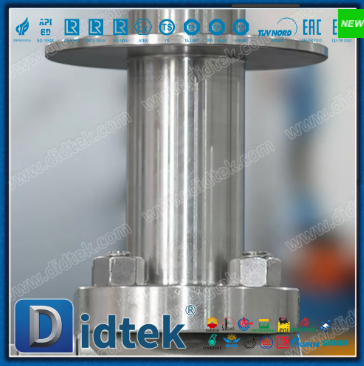
Zero leakage sealing in LNG ball valves plays a vital role in ensuring safety. LNG operates at extremely low temperatures and high pressures. Even a tiny leak can cause rapid vaporization, increasing the risk of fire or explosion. Valves with zero leakage prevent hazardous gas escape, protecting personnel and equipment. This reliability is crucial during emergency shutdowns or maintenance, where isolation of pipeline sections must be absolute.
Moreover, zero leakage valves maintain integrity despite thermal cycling and pressure fluctuations common in LNG systems. This consistent sealing reduces the chance of unexpected failures. Advanced sealing technologies, like metal-to-metal and high-performance polymer seals, contribute to this dependable performance. As a result, operators can trust these valves to function safely over long service periods without compromise.
Valves with zero leakage significantly reduce maintenance costs. Leakages often lead to costly repairs, unplanned downtime, and potential environmental fines. By eliminating leaks, these valves extend maintenance intervals and lower operational expenses.
The robust construction of zero leakage LNG ball valves, including fully welded bodies and advanced seal materials, minimizes wear and damage. This durability means fewer replacements and less frequent interventions. Additionally, reduced downtime enhances productivity, saving money over the valve’s lifecycle.
Smart valve technologies further improve cost efficiency. Sensors can monitor seal health and predict maintenance needs, avoiding surprises and optimizing scheduling. This proactive approach prevents failures and reduces labor costs.
Zero leakage sealing also benefits the environment. Methane, the primary component of LNG, is a potent greenhouse gas. Even minor leaks contribute to climate change. Valves that ensure zero leakage help minimize methane emissions, supporting environmental regulations and sustainability goals.
Furthermore, leak-free valves prevent LNG losses that waste valuable resources. By maintaining tight seals, they reduce the carbon footprint of LNG operations. This aligns with global efforts to limit emissions and promote cleaner energy solutions.
In addition, advanced manufacturing techniques, such as fully welded valve bodies, reduce potential leak paths and material waste. These practices support eco-friendly production and contribute to long-term environmental stewardship.
LNG ball valves operate at extreme cold temperatures, often around -162°C (-260°F), so materials must remain strong and flexible. Stainless steel grades like SUS316L and SUS304 are commonly used for their corrosion resistance and toughness in cryogenic environments. Nickel alloys such as Inconel and Monel offer resistance to thermal stress and embrittlement. Specialized cryogenic steels are treated to reduce brittleness and improve durability under thermal cycling. Seal materials, like PTFE and FFKM elastomers, provide flexibility and chemical resistance at low temperatures. Metal-to-metal seals made from stainless steel or nickel alloys ensure zero leakage, even during temperature fluctuations. These materials ensure LNG ball valves remain durable and leak-proof in cryogenic conditions.
LNG ball valve designs incorporate features that prevent leaks and improve performance. The extended bonnet keeps the stem and packing away from the cold media, preventing freezing and seal damage. A fully welded body eliminates joints and flanges, reducing the risk of leaks. Bidirectional sealing ensures tight shutoff, even when the flow direction reverses. Spring-loaded seats maintain sealing force despite thermal contraction or pressure changes, and vacuum jackets minimize heat transfer, reducing thermal stresses. Anti-static and fire-safe designs protect the valve from ignition and ensure its integrity during fires. These features work together to enhance sealing, reduce maintenance, and improve valve longevity in LNG systems.
Material selection is crucial for LNG ball valve performance, affecting reliability, safety, and cost. Corrosion-resistant materials like stainless steel and nickel alloys prevent rust and degradation, extending valve life. Matching valve materials to pipeline metals prevents stress and leaks during temperature fluctuations. Elastomers that withstand cryogenic temperatures reduce seal failures and downtime. High-strength alloys resist deformation under high pressure and thermal cycling. Poor material choices can lead to brittle fractures and seal leaks, increasing maintenance costs and safety risks. Choosing the right materials improves valve performance, reliability, and reduces the total cost of ownership.
In LNG production, zero leakage ball valves play a crucial role. They control the flow of extremely cold liquefied natural gas during various processing stages. These valves are designed with materials like high-grade stainless steel and Inconel, which withstand cryogenic temperatures as low as -196°C. Their robust construction ensures that no LNG escapes during operation, maintaining safety and efficiency. Features such as extended bonnets and precise sealing mechanisms prevent ice formation and seal failures, which are critical in high-pressure, low-temperature environments. Reliable sealing reduces the risk of leaks that could cause safety hazards or product loss, ensuring smooth production workflows.
Storage tanks and transportation pipelines depend heavily on zero leakage LNG ball valves. In storage facilities, these valves keep LNG securely contained, even when pressure fluctuates. Their bidirectional sealing capability ensures that LNG remains sealed regardless of flow direction, which is vital during filling, emptying, or transfer processes. During transportation, whether via pipelines or ships, these valves prevent leaks that could lead to environmental hazards or safety incidents. Their durable, cryogenic-compatible materials resist thermal stresses from repeated cooling and warming cycles. The ability to operate reliably over long distances and time frames reduces costly maintenance and prevents accidental leaks, contributing to a safer, more efficient LNG supply chain.
At LNG terminals, zero leakage ball valves facilitate safe and efficient transfer of LNG from storage tanks to pipelines for distribution. They are essential during loading and unloading operations, where high pressure and cryogenic temperatures are involved. These valves are engineered to withstand extreme cold and pressure, ensuring tight seals that prevent LNG vapor escape. Their design minimizes the risk of leaks during critical phases, protecting workers and equipment. Additionally, their quick operation capabilities allow for rapid response in emergency situations, such as pipeline overpressure or accidental releases. Proper flow control through these valves guarantees timely delivery, compliance with safety regulations, and operational continuity at LNG terminals.
Smart valve technologies are transforming LNG ball valves into intelligent devices. These valves now come equipped with sensors that monitor pressure, temperature, and valve position in real time. This data helps operators detect early signs of wear or seal degradation before leaks occur. Automated actuators enable precise control over valve operation, reducing human error and improving response times during emergencies.
Manufacturers use computer-aided design (CAD) and finite element analysis (FEA) to optimize valve components for durability and flow efficiency. Additive manufacturing techniques, like 3D printing, allow production of complex parts with improved strength and reduced weight. These innovations lead to valves that last longer and require less maintenance.
Smart valves also support remote monitoring and control through industrial Internet of Things (IIoT) platforms. Operators can adjust valve settings and receive alerts from anywhere, enhancing safety and operational flexibility. This connectivity paves the way for fully integrated LNG facility management systems.
Artificial intelligence (AI) is becoming a key player in LNG ball valve maintenance. AI algorithms analyze sensor data to predict when a valve might fail or need servicing. This predictive maintenance approach helps avoid unexpected downtime and costly repairs.
By tracking patterns like torque fluctuations, temperature changes, and seal wear, AI models can forecast seal life and recommend maintenance schedules. This proactive strategy extends valve lifespan and ensures continuous zero leakage performance.
Some LNG operators use blockchain technology alongside AI to securely record valve maintenance history and material traceability. This transparency supports regulatory compliance and quality assurance.
Zero leakage sealing in LNG ball valves enhances safety, minimizes maintenance costs, and protects the environment by preventing gas escape. These valves are crucial for reliable LNG production, storage, and transport. As LNG plays a significant role in future energy solutions, advanced valves ensure operational efficiency and sustainability. Didtek provides high-quality LNG ball valves with innovative sealing technologies, supporting safe and eco-friendly LNG operations. Their products offer durability and performance, aligning with industry standards and future energy needs.
A: An LNG Ball Valve is a specialized valve designed to control the flow of liquefied natural gas, ensuring safe handling at cryogenic temperatures.
A: Zero leakage in LNG Ball Valves prevents hazardous gas escape, ensuring safety, reducing maintenance costs, and complying with environmental regulations.
A: Stainless steel provides the necessary strength and corrosion resistance required for LNG Ball Valves to operate reliably at cryogenic temperatures.
A: LNG Ball Valves are designed for cryogenic use with materials and sealing technologies that ensure zero leakage, unlike standard ball valves.
A: Zero leakage LNG Ball Valves reduce maintenance expenses and downtime, leading to cost savings over the valve's lifecycle.


