+86-18058825678
- All
- Product Name
- Product Keyword
- Product Model
- Product Summary
- Product Description
- Multi Field Search

- Home
- Our Product
- About Didtek
- Solutions
- Exhibition Show
- Support
- News
 English

Views: 0 Author: Site Editor Publish Time: 2025-11-05 Origin: Site


Ever wondered how liquefied natural gas (LNG) is safely transported and stored at ultra-low temperatures? The answer lies in LNG ball valves. These specialized valves are crucial for handling LNG, ensuring safety and efficiency. In this post, you'll learn about the unique features and materials that make LNG ball valves indispensable for cryogenic applications.
LNG ball valves are specialized shutoff devices designed for handling liquefied natural gas (LNG) at extremely low temperatures, typically around -162°C to -196°C. These valves use a spherical ball with a hole through its center to control flow. When the ball is rotated 90 degrees, it either allows or blocks the flow of LNG through the pipeline. Because of their quick quarter-turn operation, they are ideal for rapid shutoff and precise flow regulation.
While standard ball valves operate effectively at regular temperatures, LNG ball valves are engineered explicitly for cryogenic environments. Their key differences include:
Material Selection: LNG valves use materials like stainless steel, Inconel, and PTFE that retain strength and flexibility at cryogenic temperatures. Standard valves may use materials that become brittle or lose sealing ability when cold.
Design Features: LNG valves incorporate extended bonnets, anti-blowout stems, and cavity pressure relief mechanisms to prevent freezing, leaks, or stem ejection under low temperatures and high pressures.
Sealing Surfaces: The seals are made from fluoroplastics such as PTFE, which maintain tightness even at -196°C. Standard valves often use rubber or other materials unsuitable for cryogenic conditions.
Operational Reliability: They are built to withstand thermal contraction, pressure fluctuations, and the risk of embrittlement. Standard valves might not perform reliably under such extreme conditions.
Safety and Standards Compliance: LNG valves meet strict international standards like API 607, ISO 21011, and BS 6364, ensuring safety, leak-tightness, and durability in cryogenic applications. Standard valves may not adhere to these specialized standards.
In summary, LNG ball valves are tailored for ultra-low temperature service, combining advanced materials and design innovations to ensure safety, reliability, and efficient operation in LNG processing, storage, and transportation systems. Their unique features make them indispensable components in the cryogenic industry, where failure is not an option.
| Feature | LNG Ball Valves | Standard Ball Valves |
|---|---|---|
| Material Selection | Stainless steel, Inconel, PTFE | Common metals, may become brittle |
| Design Features | Extended bonnet, anti-blowout stem | Standard design |
| Sealing Surfaces | Fluoroplastic seals (PTFE) | Rubber, less suitable for cryogenics |
| Operational Reliability | Designed for extreme temperatures | May not function under extreme cold |
| Safety Standards Compliance | API 607, ISO 21011, BS 6364 | May not meet cryogenic standards |
LNG ball valves feature an extended bonnet, a crucial design element for cryogenic applications. This longer stem and bonnet assembly move the packing away from the extremely cold media, preventing freezing and ensuring smooth operation. By isolating the packing area from the low-temperature LNG, the extended bonnet reduces the risk of stem leakage and damage caused by thermal contraction. It also helps maintain the integrity of the sealing surfaces over time, even under rapid temperature changes during startup or shutdown cycles.
Safety is paramount in LNG systems. The anti-blowout stem feature enhances safety by preventing the stem from ejection under high-pressure or accidental over-torque conditions. This is achieved through a mechanically retained stem design, often incorporating a locking device or a secondary retention mechanism. The anti-blowout stem ensures that, even if internal pressure surges or operational mishaps occur, the stem remains securely attached, reducing the risk of accidents and maintaining system integrity.
Cryogenic LNG ball valves are equipped with an automatic pressure relief mechanism. This feature provides a safety buffer by venting excess pressure that may build up within the valve cavity during warm-up or system fluctuations. It prevents over-pressurization, which could otherwise damage the valve or cause leaks. The relief system operates automatically, often through a cavity pressure self-relief design or integrated pressure relief valves, ensuring safe operation without manual intervention.
Sealing performance is vital at ultra-low temperatures. LNG ball valves utilize fluoroplastic materials, such as PTFE (Polytetrafluoroethylene), for sealing surfaces. These materials maintain excellent flexibility and low friction even at -196°C, ensuring bubble-tight shutoff. Fluoroplastic seals resist cold flow, cracking, or embrittlement, which are common issues with rubber or elastomeric seals at cryogenic temperatures. This results in a long-lasting, reliable seal that prevents LNG leakage, protects the environment, and enhances operational safety.
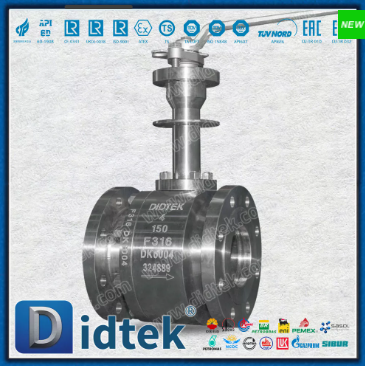
LNG ball valves must operate reliably at ultra-low temperatures, often near -196°C. Choosing the right materials is crucial to prevent brittleness, maintain strength, and ensure tight sealing under such conditions. Here are the primary materials used:
Stainless steel, especially grades like 304 and 316, is widely used for LNG ball valve bodies and internal components. It offers excellent corrosion resistance and maintains toughness even at cryogenic temperatures. Its durability helps the valve withstand mechanical stress and thermal cycling during LNG processing and storage.
316 Stainless Steel: Preferred for its higher nickel content, which improves low-temperature toughness.
Low-Carbon Variants: Reduce carbide precipitation during welding, enhancing corrosion resistance.
Nickel-based alloys like Inconel and Monel are used in critical parts exposed to extreme cold and pressure.
Inconel: Known for high strength and oxidation resistance, it performs well in harsh cryogenic and high-pressure environments.
Monel: Offers excellent corrosion resistance, particularly in marine or chemical plant LNG applications.
These alloys resist embrittlement and maintain structural integrity, making them ideal for valve stems, balls, and seats where durability is paramount.
Sealing surfaces require materials that remain flexible and maintain tight sealing at ultra-low temperatures.
PTFE (Polytetrafluoroethylene): Offers low friction, chemical inertness, and flexibility down to -196°C. It prevents leaks by tightly sealing the ball and seat interface.
Modified Fluoroplastics: Variants like PCTFE or reinforced PTFE provide enhanced wear resistance and lower cold flow, extending seal life.
Using these fluoroplastics ensures bubble-tight shutoff, preventing LNG leaks and enhancing safety.
| Material | Properties | Common Use in LNG Ball Valves |
|---|---|---|
| Stainless Steel | Corrosion-resistant, tough at low temperatures | Valve bodies, internal components |
| Inconel | High strength, oxidation-resistant | Valve stems, balls, seats |
| Monel | Excellent corrosion resistance in harsh environments | Critical parts in LNG systems |
| PTFE (Polytetrafluoroethylene) | Low friction, chemical inertness, flexible at low temps | Sealing surfaces |
| PCTFE | Enhanced wear resistance, cold flow resistant | Modified fluoroplastics for seals |
LNG ball valves are specially engineered to perform reliably at temperatures as low as -196°C. Their design and material selection ensure they maintain toughness and flexibility despite extreme cold. For example, materials like 316L stainless steel, Inconel, and PTFE seals retain their structural integrity, preventing brittleness or cracking. This reliability is crucial in LNG systems, where any failure can lead to leaks or safety hazards. The extended bonnet design helps keep the stem and packing warmer, reducing the risk of freezing or stem ejection. These features allow LNG ball valves to operate smoothly during rapid temperature fluctuations, ensuring continuous, leak-proof shutoff.
Flow regulation is vital in LNG processing and transportation. LNG ball valves excel here because of their precise quarter-turn operation. When fully open, they provide a straight, unrestricted flow path, minimizing pressure drops. When closed, they seal tightly, preventing leaks. Their design allows quick switching between open and closed states, which is vital during emergency shutdowns or process adjustments. The high-precision ball and seat interface, often made with fluoroplastic materials like PTFE, ensures bubble-tight sealing even at cryogenic temperatures. This combination of design and materials results in highly efficient flow control, reducing energy consumption and optimizing system performance.
Sealing is perhaps the most critical feature of LNG ball valves. At -196°C, many materials become brittle and lose their sealing ability. However, LNG ball valves use fluoroplastic seals that maintain flexibility and low friction at cryogenic temperatures. These seals resist cold flow, cracking, or embrittlement, providing bubble-tight shutoff. The anti-blowout stem feature adds safety by preventing stem ejection under high pressure or accidental over-torque. Moreover, automatic pressure relief mechanisms prevent cavity over-pressurization during warm-up, protecting the valve and system. These combined features ensure LNG ball valves deliver high sealing performance, safeguarding the environment and personnel from leaks and potential hazards.
In summary, LNG ball valves offer unmatched reliability, precise flow control, and excellent sealing at ultra-low temperatures. Their specialized design and high-quality materials make them indispensable in cryogenic LNG systems, ensuring safety, efficiency, and long-term durability.
LNG ball valves play a vital role across various sectors where ultra-low temperature handling is critical. Their specialized design and materials make them the go-to choice in demanding cryogenic environments. Here are the main application areas:
In LNG processing plants, these ball valves control the flow of natural gas as it transitions from gas to liquid. They handle the extreme cold during liquefaction, ensuring safe, reliable operation. For example, valves regulate feed gas flow into liquefaction units and isolate sections during maintenance or emergencies. Their tight sealing prevents leaks, which is crucial since LNG vapors are highly flammable. Quick quarter-turn operation allows fast shutoff, enhancing plant safety.
Storage tanks for LNG require valves that maintain integrity at -162°C or lower. LNG ball valves manage filling and emptying processes, controlling flow rates precisely. They also help regulate boil-off gas (BOG) pressure inside tanks. The extended bonnet design keeps valve stems warm, preventing freezing and ensuring smooth operation during temperature swings. These valves’ durability reduces downtime, critical for continuous storage operations.
Beyond LNG, industries like pharmaceuticals and certain manufacturing sectors use LNG ball valves in cryogenic systems. They support processes involving ultra-cold gases or liquids, such as cryopreservation, cryotherapy, and sterile gas distribution. In these applications, valve reliability and leak-tight sealing protect sensitive products and ensure safety. Their ability to withstand thermal cycling and resist embrittlement makes them ideal for precise flow control in these fields.
Customization plays a crucial role in enhancing the performance of LNG ball valves for ultra-low temperature applications. By tailoring key features such as size, material selection, end connections, pressure ratings, and sealing arrangements, manufacturers can optimize valves for specific project needs. For instance, adjusting the material type—using Inconel or Monel alloys—can improve resistance to extreme cold and corrosive environments. Custom end connections, like flanged or welded types, ensure seamless integration into existing pipelines, reducing installation time and potential leak points.
Furthermore, customized seals made from fluoroplastics like PTFE or PCTFE can provide superior sealing performance at -196°C, preventing LNG leakage and ensuring safety. Tailoring pressure ratings ensures valves can handle fluctuating system pressures, maintaining reliability during startup, shutdown, or emergency conditions. This level of customization not only boosts operational efficiency but also extends the lifespan of the valve, reducing maintenance costs and downtime.
Recent technological innovations have significantly improved the reliability, safety, and functionality of LNG ball valves in cryogenic environments. Advances in alloy metallurgy, such as the development of low-temperature resistant stainless steels and nickel-based alloys, enable valves to withstand extreme cold without becoming brittle. These materials maintain their toughness and strength at -196°C, ensuring long-term durability.
Sealing technology has also advanced. Modern valves incorporate fluoroplastic seals, like PTFE or PCTFE, which retain flexibility and low friction even at cryogenic temperatures. Some manufacturers have introduced reinforced seals and cold-flow resistant materials, extending seal life and preventing leaks.
Automation technology has made substantial progress. Electric and pneumatic actuators now allow remote control and precise adjustment of valve positions. These actuators are often equipped with position sensors and feedback systems, facilitating integration into automated control systems for real-time monitoring and operation.
Design innovations like cavity pressure self-relief mechanisms have enhanced safety. They automatically vent excess pressure during warm-up or system fluctuations, preventing damage or accidents. Additionally, anti-blowout stems and fire-safe designs have become standard to increase safety margins.
Manufacturers are also investing in digital diagnostics and predictive maintenance tools. Sensors embedded within valves can monitor parameters such as temperature, pressure, and seal integrity. Data analytics help predict failures before they occur, minimizing unplanned shutdowns.
In conclusion, the combination of customized solutions and cutting-edge technological advances ensures that LNG ball valves can meet the demanding requirements of cryogenic applications. These innovations improve safety, reliability, and efficiency, supporting the ongoing growth and safety of the LNG industry.
LNG ball valves excel in ultra-low temperature environments due to their advanced materials and design features, ensuring safety and reliability. Future trends in LNG ball valve technology include enhanced sealing, automation, and digital diagnostics. These innovations promise to further improve performance and safety in cryogenic applications. Didtek offers LNG ball valves that incorporate these advancements, providing exceptional value in demanding conditions.
A: LNG Ball Valves are designed with materials like stainless steel and PTFE that retain strength and flexibility at cryogenic temperatures, ensuring reliable operation and tight sealing even at -196°C.
A: LNG Ball Valves differ from standard ones by using specialized materials, extended bonnets, and anti-blowout stems to handle extreme cold and pressure, ensuring safety and reliability in cryogenic environments.
A: Fluoroplastic seals in LNG Ball Valves maintain flexibility and low friction at ultra-low temperatures, providing bubble-tight shutoff and preventing leaks in cryogenic applications.
A: LNG Ball Valves offer reliable operation at ultra-low temperatures, efficient flow control, and high sealing performance, making them indispensable in LNG processing and storage systems.


