+86-18058825678
- All
- Product Name
- Product Keyword
- Product Model
- Product Summary
- Product Description
- Multi Field Search

- Home
- Our Product
- About Didtek
- Solutions
- Exhibition Show
- Support
- News
 English

Views: 0 Author: Site Editor Publish Time: 2025-11-12 Origin: Site


Imagine handling liquefied natural gas (LNG) at -162°C. Standard valves fail, risking leaks and disasters. Enter LNG ball valves, designed for cryogenic conditions. These specialized valves use low-temperature flange connections for enhanced safety. In this post, you'll learn why these valves are crucial for LNG systems, ensuring reliability and preventing hazards.
LNG ball valves are specialized valves designed to control the flow of liquefied natural gas, which is stored at extremely low temperatures (around -162°C). These valves use a spherical ball inside the valve body to start or stop the flow. When the ball's hole aligns with the pipeline, gas flows through; when turned 90 degrees, the flow stops completely. This simple design offers quick, reliable shutoff, essential for safe LNG handling.
Because LNG is cryogenic, these valves must operate flawlessly in ultra-cold conditions. Standard valves often fail due to material brittleness or seal failure at low temperatures. LNG ball valves solve this by using materials and designs that maintain strength and sealing ability even in extreme cold.
Cryogenic Material Construction: Typically made from stainless steel grades like 304 or 316, or special cryogenic alloys. These materials stay tough and flexible at low temperatures, preventing cracks or breaks.
Extended Bonnet Design: The bonnet (top part of the valve) is lengthened to keep the stem seal away from the cold flow. This prevents freezing and helps maintain smooth operation.
Reliable Sealing Systems: Seals often use PTFE or other fluoropolymers that resist shrinking or hardening in cold. This ensures leak-tight performance.
Anti-Blowout Stem: A safety feature that stops the stem from being pushed out by internal pressure, protecting operators and equipment.
Compact and Versatile Sizes: Available in various sizes, from small instrumentation valves to large pipeline valves, suitable for different LNG system parts.
Full-Bore and Reduced-Bore Options: Full-bore valves allow maximum flow with minimal pressure drop; reduced-bore valves offer better control for precise flow regulation.
Pressure Relief Features: Some valves include mechanisms to relieve excess pressure inside the valve body, improving safety during operation.
These features combine to provide reliable, efficient control of LNG flow while ensuring safety and durability under harsh cryogenic conditions.
Stainless steel is a top choice for LNG ball valves due to its strength, corrosion resistance, and toughness at cryogenic temperatures. Common grades include 304 and 316 stainless steel. These austenitic stainless steels maintain their ductility and mechanical properties even at temperatures near -196°C, which is essential for preventing brittle fractures in LNG service.
Grade 304 stainless steel offers good corrosion resistance and is widely used in less aggressive environments. For more demanding conditions, 316 stainless steel is preferred because it contains molybdenum, which enhances resistance to pitting and crevice corrosion. Both types resist thermal contraction and expansion stresses common in cryogenic systems.
Manufacturers often apply cryogenic treatments to stainless steel components. This process involves controlled cooling and tempering to improve toughness and reduce internal stresses. The result is a material that performs reliably under repeated thermal cycling in LNG applications.
Besides stainless steel, specialized cryogenic alloys play a vital role in LNG ball valves. Nickel-based alloys like Inconel 625 or Hastelloy are commonly used where extreme corrosion resistance and mechanical strength are required. These alloys retain toughness at ultra-low temperatures and resist oxidation and chemical attack.
Cryogenic alloys help prevent embrittlement, a common issue when metals are exposed to LNG temperatures. Their microstructure remains stable, ensuring the valve components do not crack or fail under pressure. This stability is crucial for safety and long-term durability.
Aluminum alloys sometimes appear in lightweight cryogenic valve components. While not as corrosion-resistant as stainless steel or nickel alloys, aluminum offers increased strength at low temperatures and reduced weight, beneficial in certain valve parts.
Non-metallic materials also contribute to performance. Seals and gaskets typically use fluoropolymers like PTFE or PCTFE. These materials maintain elasticity and sealing integrity despite shrinkage or hardening risks at cryogenic temperatures.
| Material | Properties | Function |
|---|---|---|
| Stainless Steel (304, 316) | Corrosion-resistant, cryogenic toughness | Valve body and internal components for corrosion resistance |
| Inconel | High-temperature resistance, oxidation-resistant | Used in critical parts exposed to extreme cold and pressure |
| Cryogenic Alloys | Maintains toughness at low temperatures, resistant to oxidation | Prevents embrittlement and ensures mechanical strength |
| Fluoropolymers (PTFE, PCTFE) | Flexible, maintains sealing integrity at low temperatures | Used for seals and gaskets to maintain tight seals at cryogenic temperatures |
| Aluminum Alloys | Lightweight, strength at low temperatures | Used in lightweight cryogenic valve components |
Low-temperature flange connections play a crucial role in maintaining the safety and reliability of LNG systems. At cryogenic temperatures, materials contract and become brittle, increasing the risk of leaks or mechanical failure. Flanges designed specifically for low temperatures use materials and construction methods that resist embrittlement and maintain mechanical strength. This ensures the joint remains secure even under thermal cycling and pressure fluctuations common in LNG operations.
The design of these flanges often includes features such as extended necks or reinforced bolt holes to handle stress concentration points, reducing the chance of cracks or deformation. Additionally, low-temperature flanges are manufactured to precise tolerances, ensuring tight fits that minimize gaps where leaks could occur. Their compatibility with specialized cryogenic gaskets and sealing materials further enhances leak prevention.
Using low-temperature flange connections also improves operational safety by providing stable mechanical integrity during sudden temperature changes, such as during LNG loading or unloading. This reliability helps prevent accidents caused by flange failure, protecting personnel, equipment, and the environment.
Sealing at cryogenic temperatures is challenging because traditional gasket materials can shrink, harden, or lose elasticity, leading to leaks. Low-temperature flange connections address this by pairing with advanced sealing technologies designed for extreme cold.
Common sealing materials include spiral wound gaskets with stainless steel and PTFE filler, kammprofile gaskets with metal cores and soft sealing layers, and corrugated metal gaskets. These gaskets maintain flexibility and compressibility, ensuring a tight seal despite thermal contraction.
Flange surfaces are often serrated or specially finished to enhance gasket grip and prevent slippage. Proper bolt torque application and pattern also contribute to even gasket compression, avoiding uneven sealing pressure that could cause leaks.
Moreover, low-temperature flange connections are designed to accommodate insulation systems without compromising seal integrity. This helps maintain the flange’s temperature within safe limits and prevents frost buildup that could degrade seals.
Together, these features ensure that LNG systems maintain leak-tight connections, essential for preserving LNG purity, preventing hazardous releases, and complying with safety regulations.
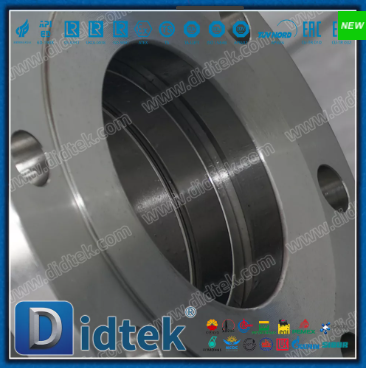
LNG processing plants handle natural gas by cooling it to around -162°C, turning it into a liquid for easier storage and transport. In these plants, LNG ball valves with low-temperature flange connections play a vital role. They control the flow of liquefied gas through pipelines, heat exchangers, and compressors.
The low-temperature flange connections ensure the joints between pipes and valves remain secure and leak-free despite the extreme cold. These flanges resist brittleness and maintain mechanical strength during thermal cycling, which happens frequently in LNG plants. This reliability prevents leaks that could cause safety hazards or product loss.
Moreover, the precise sealing capabilities of these flanges help maintain LNG purity by preventing contamination from external air or moisture. Their compatibility with cryogenic gaskets and insulation systems also reduces frost buildup and thermal stress on the piping network.
Cryogenic storage facilities store LNG at ultra-low temperatures for extended periods. Here, LNG ball valves with low-temperature flange connections are essential for safe and efficient operation. These valves manage the filling, withdrawal, and circulation of LNG inside storage tanks and associated piping.
Low-temperature flange connections provide a robust interface between the valve and the storage system. Their design accommodates the thermal contraction of materials without compromising the seal. This flexibility is crucial to avoid leaks or mechanical failure during temperature fluctuations caused by LNG loading or unloading.
In addition, these flanges support maintenance activities by allowing easy disassembly and reassembly without damaging the sealing surfaces. This feature is particularly helpful in storage facilities where regular inspection and gasket replacement are necessary to ensure long-term safety.
The combination of LNG ball valves and low-temperature flanges also helps in pressure relief and venting systems, ensuring controlled release of vapor and preventing overpressure situations.
| Feature | LNG Ball Valves | Standard Ball Valves |
|---|---|---|
| Material | Cryogenic materials like 316 stainless steel, Inconel | Common carbon steel or regular stainless steel |
| Design Features | Extended bonnets, anti-blowout stems, fluoropolymer seals | Simple designs, no extended bonnets or safety features |
| Sealing Systems | Multi-layer sealing, PTFE seals | Basic seals, may harden or shrink in cold conditions |
| Performance in Cryogenic Environments | Maintains toughness and sealing integrity at -162°C | Prone to brittle failure, seal damage at low temperatures |
| Pressure Relief Features | Includes pressure relief mechanisms | Usually lacks pressure relief systems |
| Safety Features | Anti-static, fire-safe, blowout-proof | No anti-static, fire-safe, or blowout-proof features |
LNG ball valves differ significantly from standard ball valves in materials and design to meet cryogenic demands. Standard valves often use common carbon steel or regular stainless steel, which can become brittle and fail at ultra-low temperatures. LNG ball valves, however, use specialized materials like 316 stainless steel or nickel-based alloys. These materials remain tough and ductile even near -162°C, preventing cracks or fractures.
Design-wise, LNG ball valves feature extended bonnets to keep seals away from the cold fluid, reducing the risk of freezing and ensuring smooth operation. Standard ball valves usually lack this extension, making them less reliable in cryogenic environments. LNG valves also have anti-blowout stems, a safety feature that prevents the stem from being pushed out by internal pressure, which is often absent in standard valves.
Sealing systems differ too. LNG ball valves use fluoropolymer seals like PTFE or PCTFE, which maintain elasticity and sealing integrity at low temperatures. Standard valves may use rubber or other materials that harden or shrink under cryogenic conditions, leading to leaks.
When exposed to cryogenic temperatures, standard ball valves can suffer from brittle failure, seal damage, and operational difficulties. Their materials contract and lose toughness, seals become rigid, and stems may freeze, causing leaks or valve jams.
LNG ball valves excel in these conditions. Their materials resist embrittlement and maintain mechanical strength. The extended bonnet design prevents stem freezing, ensuring smooth valve actuation. Seals stay flexible, maintaining tight shutoff and preventing leaks even under thermal cycling.
Moreover, LNG valves often include pressure relief features to handle unexpected pressure spikes safely. Standard valves usually lack such mechanisms, increasing the risk of damage or accidents.
In summary, choosing LNG ball valves over standard ones ensures reliable, safe operation in ultra-low temperature environments. Their specialized materials, cryogenic design features, and advanced sealing systems make them indispensable for LNG and other cryogenic applications.
Regular inspections are vital for ensuring LNG ball valves operate safely and efficiently. Start with visual checks to spot any signs of damage, such as frost buildup, leaks, or corrosion around the valve body and connections. Pay close attention to the flange and seal areas, as these are common points for leaks in cryogenic environments.Check the bolt torque periodically, especially after thermal cycling—when the system experiences temperature changes. Proper torque ensures seals remain tight and prevents leaks caused by gasket or flange movement. Use a calibrated torque wrench and follow manufacturer specifications for torque values.
Inspect the valve stem for any signs of wear, misalignment, or damage. The anti-blowout stem feature should be intact and functioning correctly. If the stem shows signs of corrosion or deformation, consider replacement to maintain safety and performance.
Test the sealing integrity by conducting leak tests, preferably with helium or nitrogen, to detect any small leaks that might not be visible. For critical systems, perform non-destructive testing (NDT) methods like radiography or ultrasonic testing to verify welds and flange integrity.
Monitor the operational function by manually operating the valve, if possible. Ensure the valve opens and closes smoothly without excessive force. Any resistance or unusual noise indicates potential issues needing further investigation.
Maintenance routines should include cleaning, lubrication, gasket replacement, and component inspection. Clean the valve exterior regularly to remove dirt, ice, or debris that could interfere with operation or cause corrosion. Use cleaning agents compatible with cryogenic materials.
Lubrication is crucial for smooth operation, especially in cold environments. Use lubricants specifically formulated for cryogenic conditions—these remain effective at low temperatures and do not harden or become brittle. Avoid standard lubricants, which can cause damage or seize the moving parts.
Gasket replacement is essential for maintaining leak-tight seals. Gaskets degrade over time due to thermal cycling and exposure to cryogenic fluids. Replace gaskets according to manufacturer recommendations or if visual inspection shows signs of wear, cracking, or hardening.
Inspect seals and seats for signs of deterioration or damage. Fluoropolymer seals like PTFE are common in LNG valves for their excellent low-temperature properties. If seals are hardened, cracked, or show signs of shrinkage, replace them promptly.
Perform periodic testing of the valve's operational performance. This includes checking the valve's actuation mechanism, whether manual or automated. Ensure that actuators and control systems function correctly, and calibration remains accurate.
Finally, keep detailed records of all inspections, maintenance, and repairs. This documentation helps track the valve’s performance over time and supports compliance with safety standards and regulations.
LNG ball valves with low-temperature flange connections offer crucial safety and reliability advantages. They excel in cryogenic conditions by using specialized materials and designs. Future trends in LNG valve technology will likely focus on enhancing these features. Companies like Didtek provide high-quality LNG ball valves, ensuring efficient and safe operations. Their products are designed to withstand extreme conditions, offering long-term durability and reliability.
A: An LNG Ball Valve is a specialized valve designed to control the flow of liquefied natural gas at extremely low temperatures, using a spherical ball to start or stop the flow.
A: LNG Ball Valves with low-temperature flange connections ensure secure, leak-free joints in cryogenic conditions, enhancing safety and reliability in LNG systems.
A: LNG Ball Valves use cryogenic materials like 316 stainless steel, feature extended bonnets, and employ advanced sealing systems to perform reliably at ultra-low temperatures.


