+86-18058825678
- All
- Product Name
- Product Keyword
- Product Model
- Product Summary
- Product Description
- Multi Field Search

- Home
- Our Product
- About Didtek
- Solutions
- Exhibition Show
- Support
- News
 English

Views: 0 Author: Site Editor Publish Time: 2026-03-30 Origin: Site



You use an esdv ball valve to stop dangerous fluids fast. This emergency shutdown valve shuts by itself if there is a problem. You count on this valve to keep people, equipment, and nature safe. Many industries like oil and gas use esdv to make their work safe.
ESDV ball valves stop dangerous fluids or gases very fast in emergencies. This helps keep people, equipment, and nature safe. These valves close by themselves when sensors find a problem. You can also close them by hand for more safety and control. The quarter-turn ball design lets the valve open or close quickly. It makes a tight seal so nothing leaks out. You must pick the right actuator type for your plant. It can be pneumatic, hydraulic, or electric. The choice depends on your power supply and safety needs. Testing and taking care of ESDV ball valves is important. This keeps them working well and ready for emergencies. These valves close fast, usually in 1 to 5 seconds. This helps stop spills, fires, and other dangers. ESDV ball valves are used a lot in oil and gas, chemical, and other industries. They help meet tough safety rules. Always pick valves that match your system’s size, pressure, and material needs. This makes sure they work safely and well.
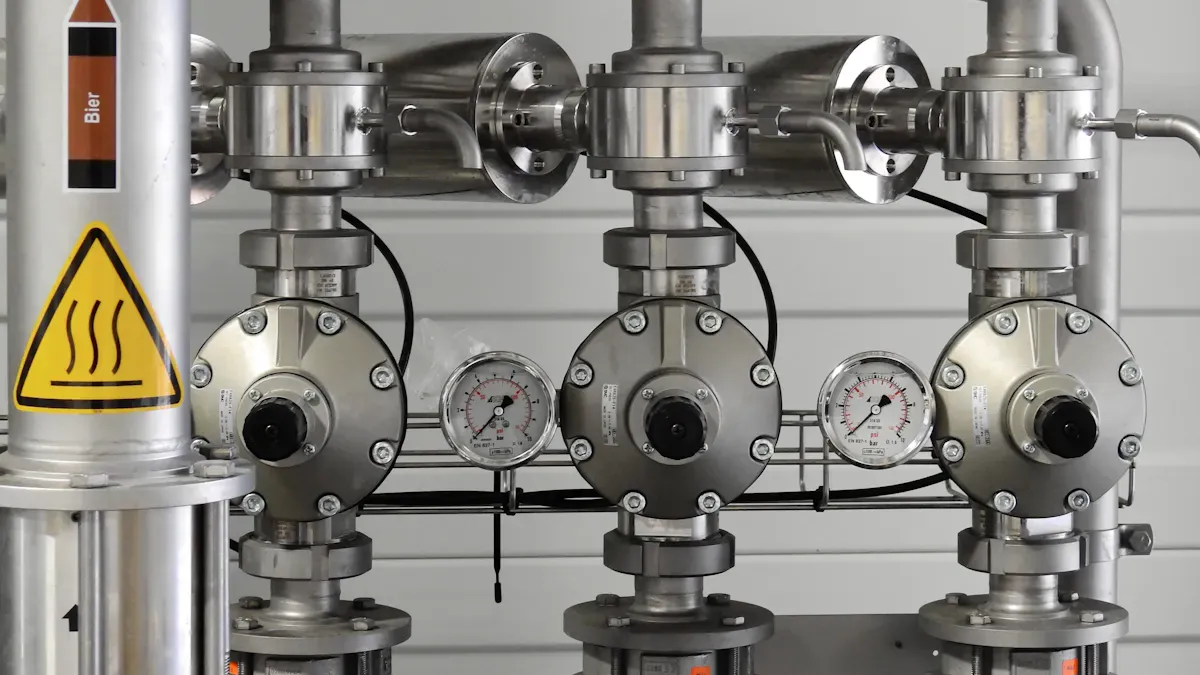
You might wonder what an esdv ball valve does. This valve is made for emergencies. It stops dangerous fluids or gases if something goes wrong. Inside, there is a round ball that turns. The ball opens or closes the path for the fluid. When you need to stop things fast, this valve works quickly. It also seals very tightly. You find these valves in places where safety is very important, like oil and gas plants.
People use esdvs to keep everyone and everything safe. The main job of this valve is to shut off parts of a system in emergencies. This is very important for safety. Here are some ways people use esdv ball valves:
Wellhead esdvs go on Xmas trees to shut wells if needed.
Manifold or pipeline esdvs block flowlines or pipelines on platforms.
Process train esdvs separate big equipment like separators and compressors if they fail.
Block valves, often esdvs, close off broken parts of pipelines.
Station esdvs shut off pumps and compressors in stations.
Unit isolation esdvs block whole processing units during big problems.
Equipment protection esdvs keep furnaces and reactors safe.
Loading or unloading esdvs shut loading arms in emergencies.
These valves are very important for safety systems. They help stop leaks, fires, or other dangers from spreading.
You might wonder how esdv ball valves are different from standard valves. Standard valves control flow when things are normal. You open or close them as you need. ESDV ball valves are for emergencies. They work fast and seal tight. These valves close by themselves if sensors find a problem. You can also close them by hand. Standard valves are not good for emergencies. They may not close fast or seal well enough. ESDV ball valves are chosen because they are quick, safe, and reliable.
Tip: Always make sure your emergency shutdown valves work right. Test them often to stay safe and ready for emergencies.
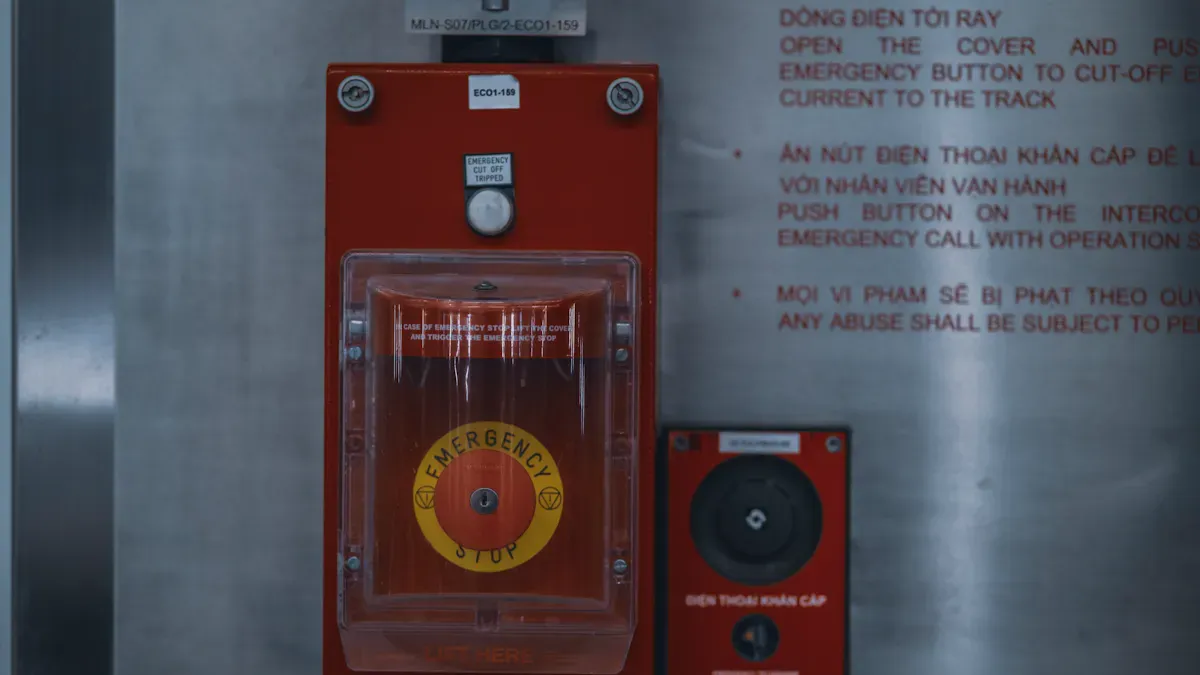
You count on an emergency shutdown valve to work fast if there is trouble. When a leak or pressure spike happens, the esdv gets a signal from the safety instrumented system. The valve shuts quickly to stop dangerous fluids or gases from moving. This quick action keeps people, machines, and nature safe. Speed is very important in these moments:
ESDV ball valves usually close fully in 1 to 5 seconds.
Small valves, between 2 and 6 inches, can close in 1 or 2 seconds.
Big valves, like 24 inches or more, might need up to 5 seconds or a little more.
This fast closing helps stop small problems from becoming big ones. The emergency shutdown valve is a main part of your safety instrumented system. It helps you trust your equipment when things go wrong.
When you use an esdv, you want to be sure nothing leaks after it closes. The bubble-tight closure feature does this job. Bubble-tight means the valve seals so well that no gas or liquid gets through, even if there is pressure. This strong seal is very important for safety, especially with dangerous materials.
Industry standards tell you what to expect from your esdv. Here are some main standards for bubble-tight closure:
Standard | Description |
|---|---|
ISA/IEC 61511 | Tells how much valves can leak in Safety Instrumented Functions. |
ANSI/FCI 70-2 | Sets rules for valve leakage and how to test them. |
API RP 553 | Talks about automated valves in refineries and how tight they must shut. |
You should always check if your esdv meets these standards. This helps make sure your safety instrumented system works right.
You can close an esdv in two ways. Most of the time, the safety instrumented system sends a signal to close the valve by itself. This happens when sensors find a problem, like a leak or sudden pressure change. Sometimes, you might need to close the valve by hand. You do this during repairs or if you see a problem before the system does.
Both automatic and manual ways give you control and help you feel safe. You know your emergency shutdown valves will work when you need them. Having both ways to close the valve makes your facility even safer.
Note: Test your esdv and safety instrumented system often. This helps you stay ready for any emergency.
You use an esdv ball valve to control the flow of fluids during normal plant operation. In safe conditions, the valve stays open and lets oil, gas, or other fluids move through the pipeline or equipment. You can adjust the valve position if you need to regulate the flow. The control system keeps the valve open unless it detects a problem. This means you can trust the system to keep things running smoothly. In the petroleum industry, you see these valves working quietly in the background, making sure everything stays safe. When you ask, "how does an esdv work," you see that it acts as a regular flow controller until an emergency happens.
When danger appears, the esdv ball valve changes its role. It moves from normal operation to emergency shutdown mode. You rely on this quick change to protect people and equipment. The emergency shutdown valve acts fast to stop hazardous fluids from spreading.
Sensors watch for leaks, high pressure, or fire. When a sensor detects a problem, it sends a signal to the actuator. The actuator receives this shutdown signal and starts the emergency closure. The actuator moves the valve quickly to the closed position. This action stops the flow of dangerous fluids in seconds. The control system checks if the valve has closed and sends feedback to operators. You get notified right away, so you can make important decisions. This sequence helps you stop emergencies before they get worse.
Here is what happens step by step:
The actuator receives a shutdown signal from the safety system.
The actuator moves the valve to shut off the flow.
The control system gets feedback that the valve is closed.
Operators get notified about the valve status.
In special cases, you can override the automatic shutdown.
Sometimes, you need to close the esdv by hand. You might do this during maintenance or if you see a problem before the sensors do. You use a manual lever or a control panel to trigger the valve. This gives you extra control and helps you act fast. Manual activation is important for small process systems or when you need to test the valve. You always want to make sure the emergency shutdown valves work when you need them.
Tip: Test both automatic and manual activation often. This keeps your safety system ready for any emergency.
You find a simple but strong design inside the esdv ball valve. The main part is a round ball with a hole through the center. When you turn the ball a quarter turn (90 degrees), the hole lines up with the flow path to open the valve. When you turn it again, the ball blocks the flow and closes the valve. This quarter-turn action makes the valve fast and reliable. You get a tight seal every time, which is important for safety. The design also means you can open or close the valve quickly, even in emergencies.
You see this mechanism in many industries because it works well and lasts a long time. The quarter-turn ball valve gives you the speed and sealing you need to keep your facility safe.
You find the heart of an esdv in the ball and seat assembly. The ball sits inside the valve body and has a hole through its center. When you turn the ball, the hole lines up with the flow path to let fluids pass. If you turn the ball again, it blocks the flow and stops everything. The seat surrounds the ball and creates a tight seal. This seal keeps dangerous fluids from leaking. You can trust this design because it gives you a strong, bubble-tight closure every time. The simple shape of the ball and seat also makes the valve easy to operate and maintain.
You need an actuator to move the ball quickly and safely. The actuator gives the force to open or close the valve during normal use or emergencies. You can choose from different actuator types based on your needs. Each type has special features that help you pick the right one for your system.
Tip: Always match the actuator type to your site’s power supply and safety needs.
Here is a table that compares the main actuator types you might use:
Actuator Type | Performance Characteristics |
|---|---|
Pneumatic | Works best when you have a steady air supply. Often used for fail-safe operation. |
Electrohydraulic | Gives very high force. Good choice when you need strong and fast action. |
Electric | Lets you choose based on your site’s setup, cost, and what you want to achieve. |
You use pneumatic actuators when you have a reliable air supply. These actuators work fast and often return to a safe position if something goes wrong. You see them in many plants because they are simple and dependable.
You pick hydraulic actuators when you need a lot of force. These actuators use pressurized fluid to move the valve. They work well for large valves or high-pressure systems. You can count on them for strong and quick action.
You choose electric actuators when you want easy control and less maintenance. These actuators use electricity to move the valve. You can set them up to match your plant’s needs, budget, and goals.
You find many options for the body and end connections of an emergency shutdown valve. These choices help you match the valve to your pipeline and pressure needs.
Manufactured sizes range from NPS 1/4" up to NPS 60".
Pressure ratings include ANSI 150#, 300#, 600#, 900#, 1500#, 2500#, and 4500#.
Valve connections follow standards like ASME B16.5 (flat face, raised face, ring-type joint, threaded), ASME B16.47 Series A or B, MSS SP-44, and ASME B16.25 (butt weld, socket weld, welded end).
Body materials include ASTM A216, A105, A350, A182, A351, A352, A890, A995, C95300, C95800, MONEL, and INCONEL.
You should always check the size, pressure rating, and material before you choose a valve. This helps you make sure the valve will work safely in your system.
Your emergency shutdown system must work very quickly. How fast a valve closes can change how much dangerous material escapes. Small valves, between 2 and 6 inches, close in 1 or 2 seconds. Big valves, like 24 inches or more, may need up to 5 seconds to close. Here is a simple chart:
Valve Size | Closing Time (seconds) |
|---|---|
2-6 inches | 1-2 |
24 inches + | up to 5 |
If the valve closes faster, less dangerous stuff gets out. This lowers the chance of fires or spills. The closing time also changes how much leaks out, so you want the fastest valve you can get.
Tip: Always check how fast a valve closes before you pick it for your safety system.
You want your esdv to work every single time. Speed is not the only thing that matters. The valve’s closing time also helps your system meet safety rules. A good valve helps you follow strict safety standards. Make sure the actuator has enough power. Experts say the actuator should have 25% to 40% more force than the valve needs. Some people even say to double the safety margin. Extra power helps the valve close even if things get tough.
Sometimes, you might not know if the valve will work in an emergency. Over time, the valve can slow down or get hard to test. Watch how the valve works and check if it gets slower.
You keep your safety system strong by doing regular checks. These checks help you find problems early. Here is a chart to help you plan your maintenance:
Maintenance Task | Frequency | Key Actions |
|---|---|---|
Visual & Access Check | Monthly/Quarterly | Lockout/tagout, look at the valve, write it down |
Functional Full-Stroke | Annually | Close the valve all the way, check speed and seal |
Partial Stroke Testing | As allowed (PST) | Test partway; find problems early |
Move the valve every few months to keep it working well. Once a year, do a full test and check the seals and connectors. Change old parts like O-rings and seats every year. Partial Stroke Testing lets you find problems without stopping everything.
Note: Always use the right tools when you put in or fix a valve. Keep things clean so nothing gets damaged. Set up the actuator right and check bolts and gaskets are tight.
If you do these steps, your valve will be ready for any emergency.
The oil and gas industry uses esdv ball valves the most. These places work with crude oil, natural gas, and other flammable stuff every day. It is important to keep workers and nature safe. You use this valve to shut off pipelines, wellheads, and tanks if there is an emergency. If a leak or fire starts, the valve closes fast. This stops dangerous fluids from spreading. You find these valves on offshore platforms, refineries, and gas plants. People trust them to keep everyone and equipment safe.
Tip: Always test your safety system at oil and gas sites. Regular checks help you know your valves will work when needed.
Many chemicals can hurt people or the environment. You need to stop these fluids quickly if something goes wrong. You use an emergency shutdown valve to block acids, solvents, or toxic gases. This valve seals tightly and acts fast. You see these valves in chemical plants, storage places, and pipelines. They help stop spills and leaks before they get worse. Using the right valve also helps you follow safety rules for dangerous fluids.
Workers are protected from burns or poisoning.
The air and water stay clean.
The risk of fires or explosions goes down.
Many other industries use esdv ball valves for safety. These places use the valve to control dangerous or valuable materials. Here are some examples:
Biofuel plants use the valve for flammable liquids.
Pharmaceutical factories use it to keep workers safe from chemicals.
Plastics makers use the valve to stop leaks of hot or toxic stuff.
You can use this valve anywhere you need a quick and safe shutdown. It makes your plant safer and helps you meet industry rules.
Note: Always pick the right valve for your job. Check the size, material, and how fast it closes before you put it in.
You depend on ESDV ball valves for safety in every emergency. These valves close fast and seal tightly to protect your plant. To choose the right esdv, follow these steps:
Calculate flow needs and check valve performance.
Plan regular tests and keep good records.
Choose the right esdv for each critical spot.
Here is how the process works:
Step | Description |
|---|---|
1 | Normal Operation: The valve stays open for flow. |
2 | Emergency Signal: The system finds a problem. |
3 | Actuator Activates: The valve closes quickly. |
4 | Flow Stops: Hazards are blocked. |
5 | Reset: You inspect and reset the system. |
Regular testing keeps your plant safe and meets industry standards.
ESDV means Emergency Shutdown Valve. You use this valve to stop dangerous fluids or gases fast when there is an emergency.
You need to test your ESDV ball valve at least once every year. Many experts say you should do partial stroke tests more often to find problems early.
Yes, you can use ESDV ball valves for liquids and gases. These valves seal tightly and work fast for many dangerous materials.
A regular ball valve is for normal flow control. An ESDV ball valve is for emergencies. ESDVs close faster and seal better to keep you safe.
Most ESDV ball valves need power for the actuator. You can pick pneumatic, hydraulic, or electric actuators. Some valves let you close them by hand if the power goes out.
You should check how fast the valve closes, if it seals well, and if the actuator works during regular tests. Always write down your results and fix any problems right away.
You should put ESDV ball valves at important spots like wellheads, pipelines, storage tanks, and process units. This helps you block dangers quickly if there is an emergency.


